Nostalgia Myths Debunked: The Illusion of a Better Past
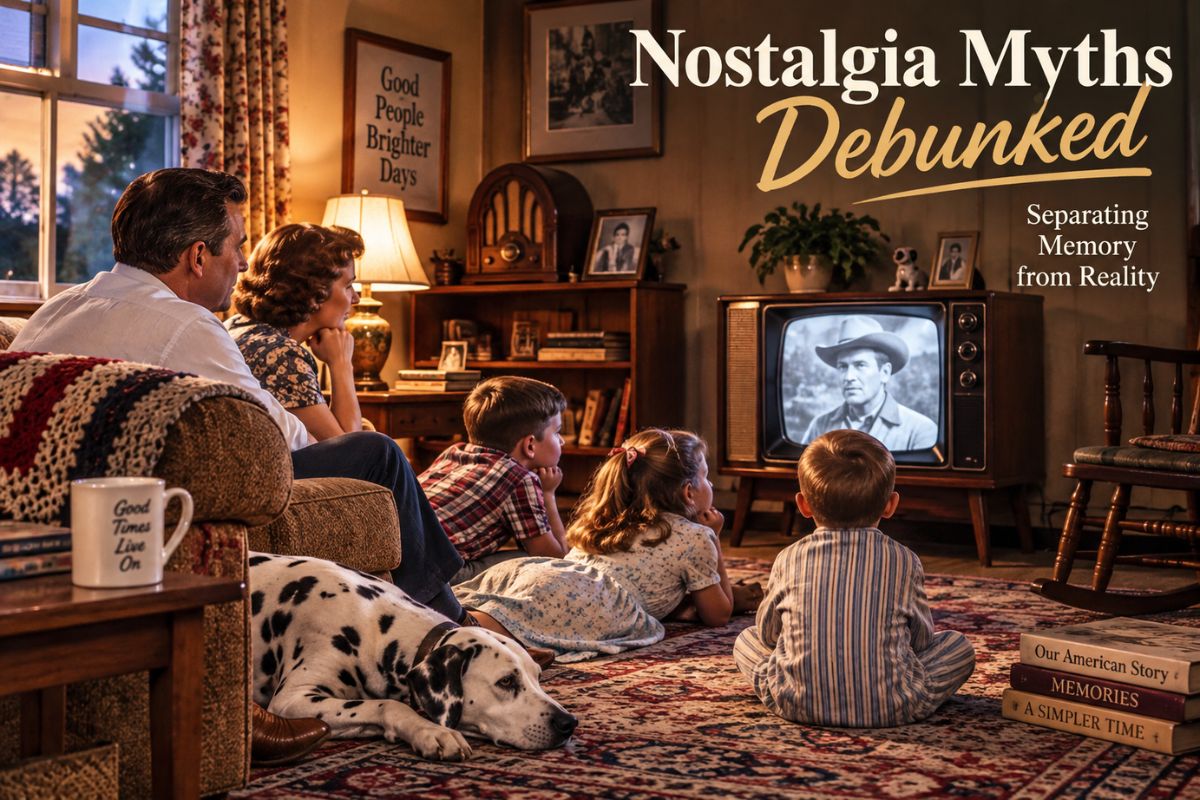
There’s something comforting about nostalgia. Yet, as we explore in Nostalgia Myths Debunked, believing the past was better and remembering it fondly aren’t necessarily the same thing.
The neighborhoods felt safer. Families seemed closer. Music sounded better. Appliances lasted forever. Kids played outside until the streetlights came on, and somehow everybody knew the people who lived next door.
At least, that’s how many of us remember it.
But memory has a peculiar habit. It keeps the Saturday afternoons, family dinners, favorite songs, and summer nights while quietly misplacing some of the harder parts.
Let’s dig into some common nostalgia myths and separate the truth from our rose-colored daydreams.
Nostalgia Myth #1: Life Was Simpler Back Then
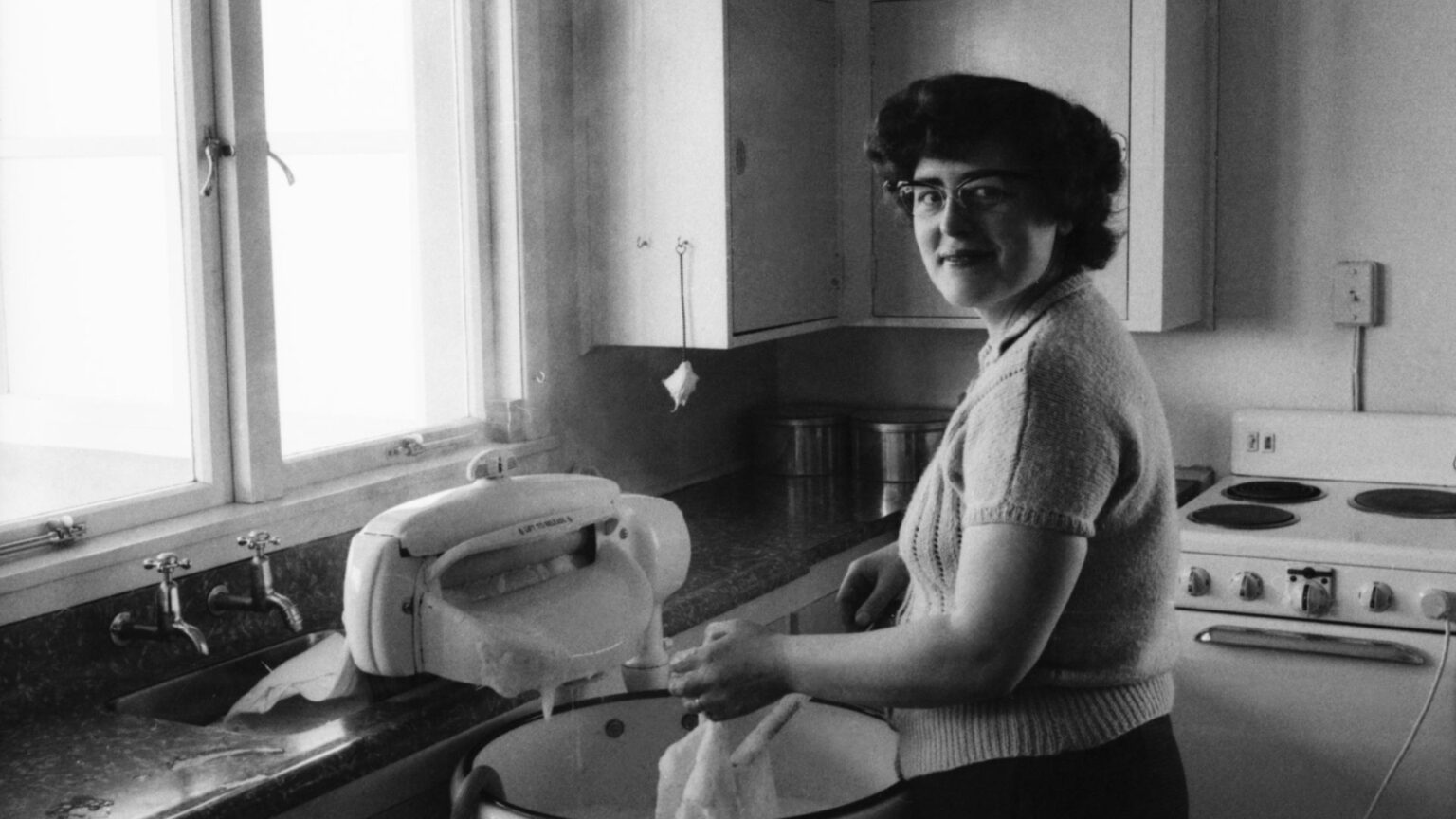
Ah, the simpler days. No smartphones buzzing during dinner, no overflowing email inboxes, no passwords to remember, and certainly no notifications following us from room to room.
It’s easy to understand why the past can feel less complicated.
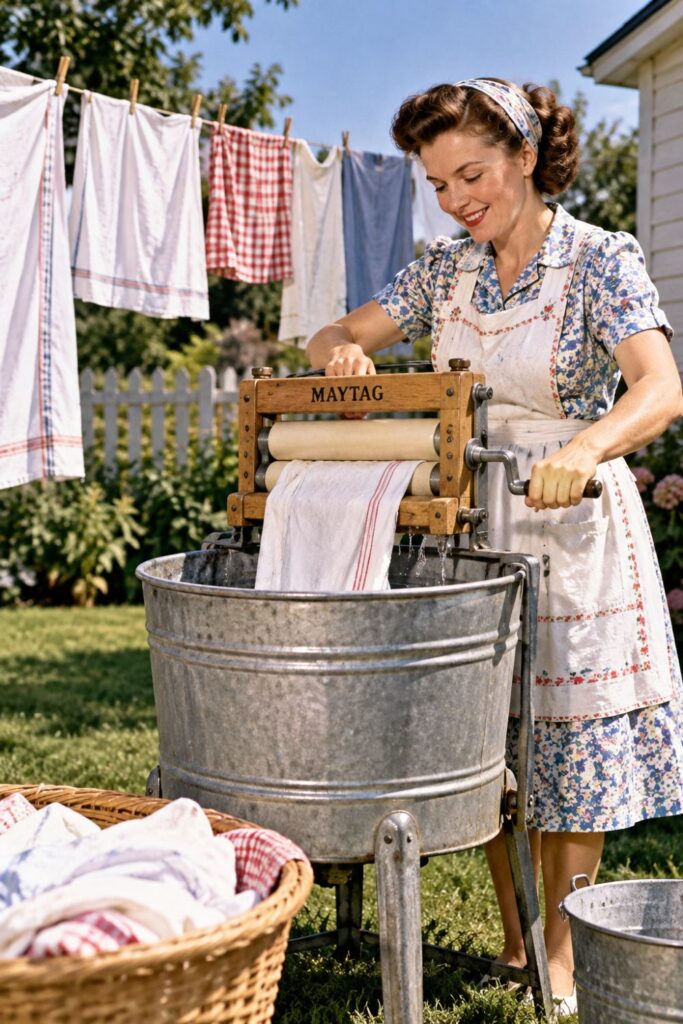
However, simpler isn’t always the same as easier. Washing clothes could consume a good portion of the day. A long-distance phone call was something families sometimes planned for. If you wanted something unavailable locally, there was no overnight delivery waiting on the porch tomorrow morning.
My grandmother used to tell me how “simple” life was when she was young. Then she’d talk about outhouses in winter, waiting for the Sears catalog to order something, and cooking meals from scratch.
Suddenly, indoor plumbing doesn’t seem so bad.
Technology eliminated many old inconveniences, although it created entirely new ones. We traded waiting for information for information overload. At the same time, isolation gave way to constant availability. We gained convenience, yet sometimes lost the quiet that came with having fewer ways to be interrupted.
That’s why this particular nostalgia myth is only partly wrong.
Nostalgia Nook Note: Life may have moved more slowly. But slower didn’t always mean simpler.
Watch: Nostalgia Myths Debunked
Prefer to watch? Take a few minutes to explore the nostalgia myths we remember, and what life was really like behind the rose-colored memories.

It’s easy to remember the past as a friendlier place. Neighbors waved from their porches, children were expected to say “sir” and “ma’am,” and holding a door for someone was simply good manners.
Some of that memory is genuine. Communities often depended more heavily on face-to-face relationships. You knew the people on your street because you actually saw them. There was no neighborhood Facebook group replacing the conversation over the fence.
But having good manners and living in a kinder world aren’t always the same thing.
Every generation seems to worry that the next one has forgotten how to behave. What changes are the rules? A gesture considered respectful in one generation can seem formal or outdated in another.
Concern about the younger generation wasn’t new, either. In 1954, worries about juvenile delinquency became so intense that the U.S. Senate held hearings investigating whether comic books were corrupting America’s youth.
On the other hand, Nostalgia Myths Debunked means remembering the nice people without forgetting those who weren’t always treated nicely. The past had wonderful communities, generous neighbors, and strong friendships. It also had prejudice, exclusion, crime, family troubles, and plenty of people who weren’t particularly nice.
Even those old black-and-white movies can fool us. Everyone seems beautifully dressed and impossibly polite. Then someone lights a cigarette in a hospital waiting room and you remember that every era had its blind spots.
Perhaps families weren’t automatically closer back then. As we’ve seen throughout Nostalgia Myths Debunked, everyday life simply created more opportunities for families to be together.
And some of those old expectations are absolutely worth remembering.
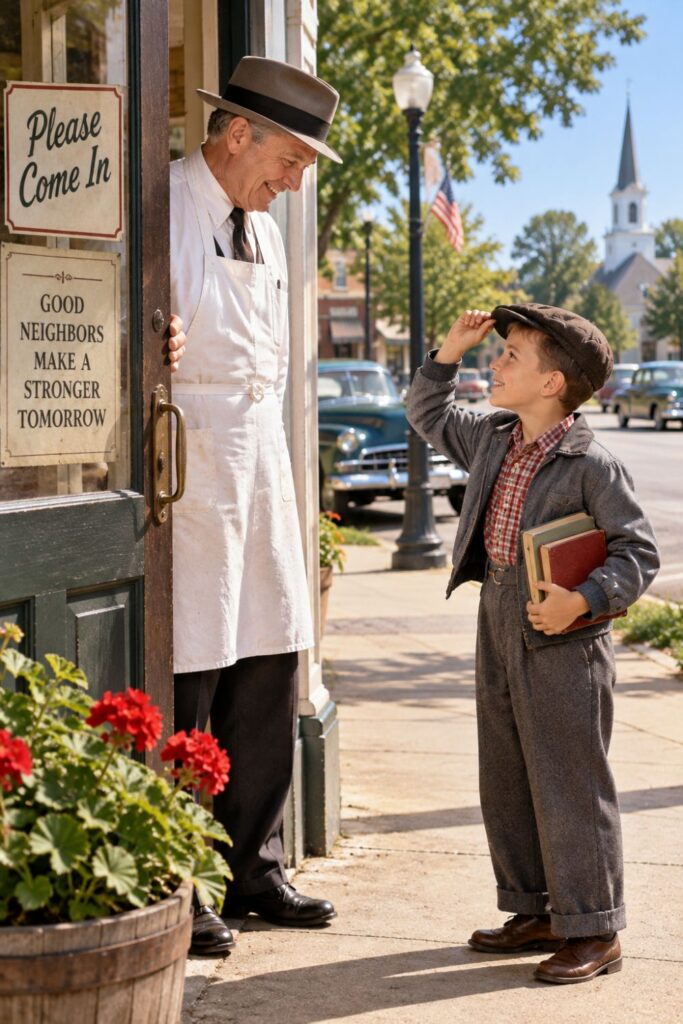
Nostalgia Nook Note: Good manners never went out of style. The rules for showing them simply changed.
Nostalgia Myth #3: Things Were Built to Last
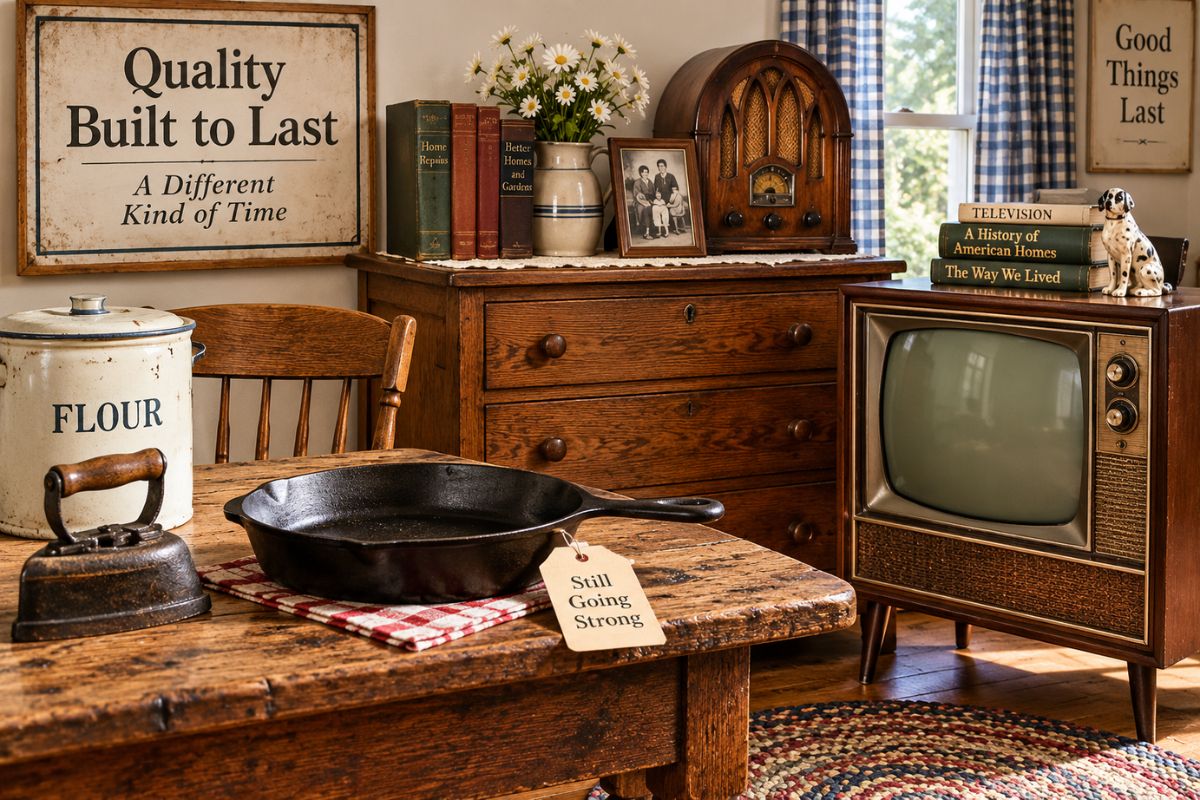
“They don’t make ’em like they used to.”
There’s some truth hiding inside that old saying. Heavy wood furniture could be repaired instead of replaced. Cast-iron cookware could serve several generations. Likewise, many appliances were designed with parts that a repairman could actually remove, fix, and put back together.
However, there’s another side to the story. There may also be a little survivorship bias at work. We see the old products that survived, while the ones that failed decades ago are no longer around to impress us.
We tend to remember the old things that survived. The poorly made chairs, unreliable appliances, cheap toys, and worn-out household goods often disappeared decades ago. What remains can give us the impression that everything from the past was built better.
In other words, we’re comparing yesterday’s survivors with nearly everything manufactured today.
Nostalgia Myths Debunked: Built to Last
I remember an old television I owned in the 1990s that seemed as though it would last forever. The thing weighed close to 200 pounds, and moving it was practically a three-man operation. Yet it worked and worked.
Was it built like a tank? Absolutely.
Was it better than the lightweight television that eventually replaced it? Not necessarily. That old set couldn’t stream movies, access hundreds of channels, or deliver anything close to today’s picture quality. And if something major finally broke, moving the monster was a project by itself.
Still, older products sometimes had one advantage worth remembering: repairability. Instead of throwing away an entire item because one component failed, owners could often repair it and keep using it.
So perhaps the real lesson isn’t that everything was built better back then. Rather, we once expected more of the things we bought—and we were often more willing to repair them before replacing them.
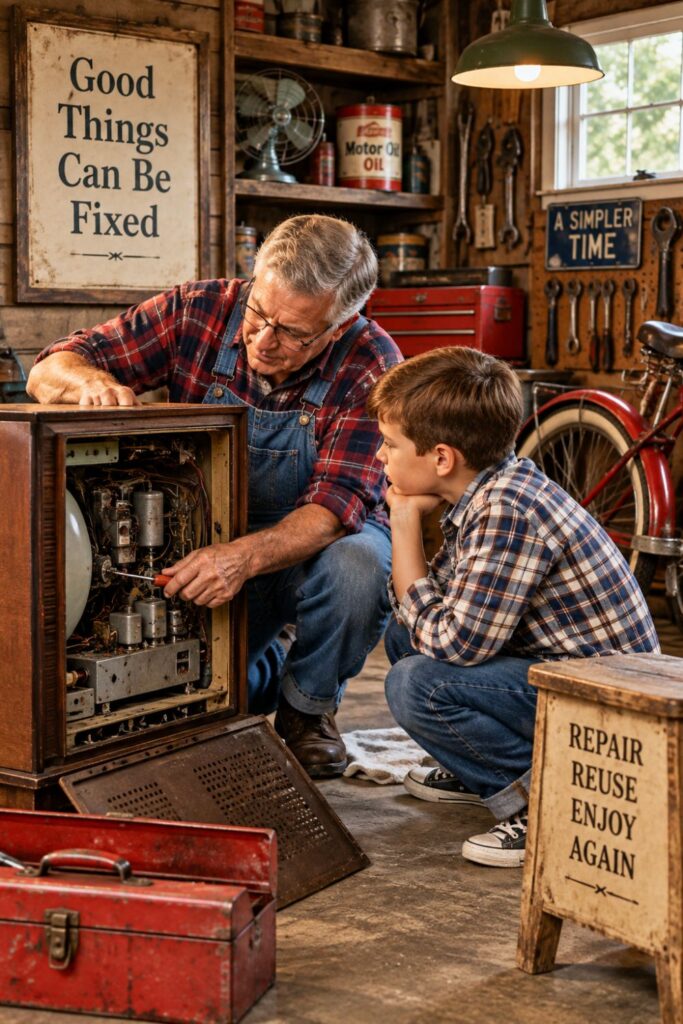
Nostalgia Nook Note: Old things weren’t always built better. Sometimes we’re simply looking at the ones built well enough to survive.
Nostalgia Myth #4: Music, Movies, and Fashion Were Better Back Then
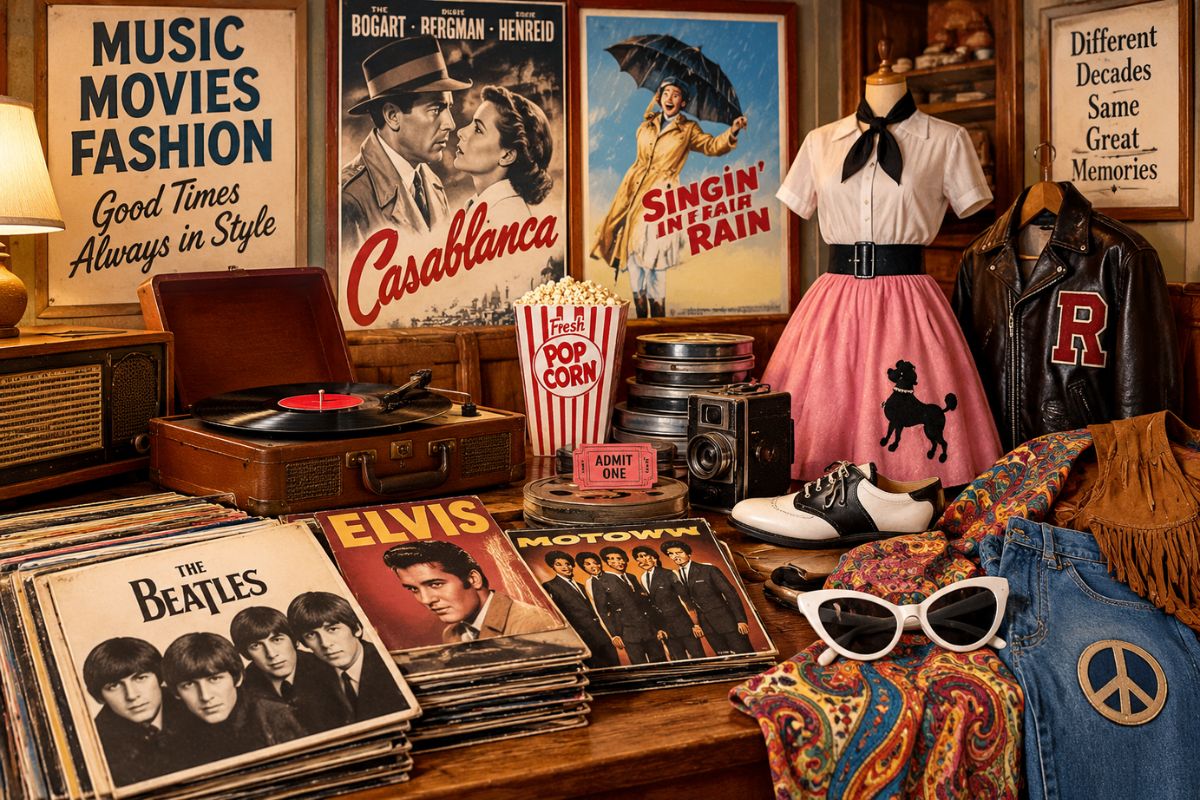
Every generation seems convinced it got the good stuff.
Our music had melodies. The movies had real stars. Our clothes had style. Then somebody younger comes along and somehow fails to appreciate this obvious fact.
At least, that’s how nostalgia makes it feel.
The truth is that every era produced unforgettable classics and plenty we’d rather forget. We remember Elvis Presley, Motown, the Beatles, and the great songs that survived decades. We don’t hear nearly as much about the thousands of records that disappeared after a few weeks.
Movies work much the same way. We remember Casablanca, Singin’ in the Rain, and other films that earned their place in history. Meanwhile, countless forgettable movies quietly vanished.
Fashion may be the funniest example of all.
Certain styles return because they genuinely looked good. Others make us wonder what everyone was thinking. Bell-bottoms, leisure suits, enormous shoulder pads, neon leg warmers, and some spectacular hairstyles all had their moment.
Of course, today’s questionable fashions will probably look just as strange in old photographs someday.
I once told a teenager that 1990s music was objectively better than today’s hits. Then I was reminded that “Who Let the Dogs Out” arrived in 2000.
Close enough to ruin my argument.
That’s one of nostalgia’s favorite tricks. We don’t compare all of yesterday with all of today. We compare the best things that survived from yesterday with whatever happens to be popular right now.
Maybe our generation didn’t have better music, movies, and fashion.
Maybe we’ve simply had more time to forget the bad ones.
Nostalgia Nook Note: Every generation remembers its greatest hits. Very few of us build playlists from the songs we couldn’t stand
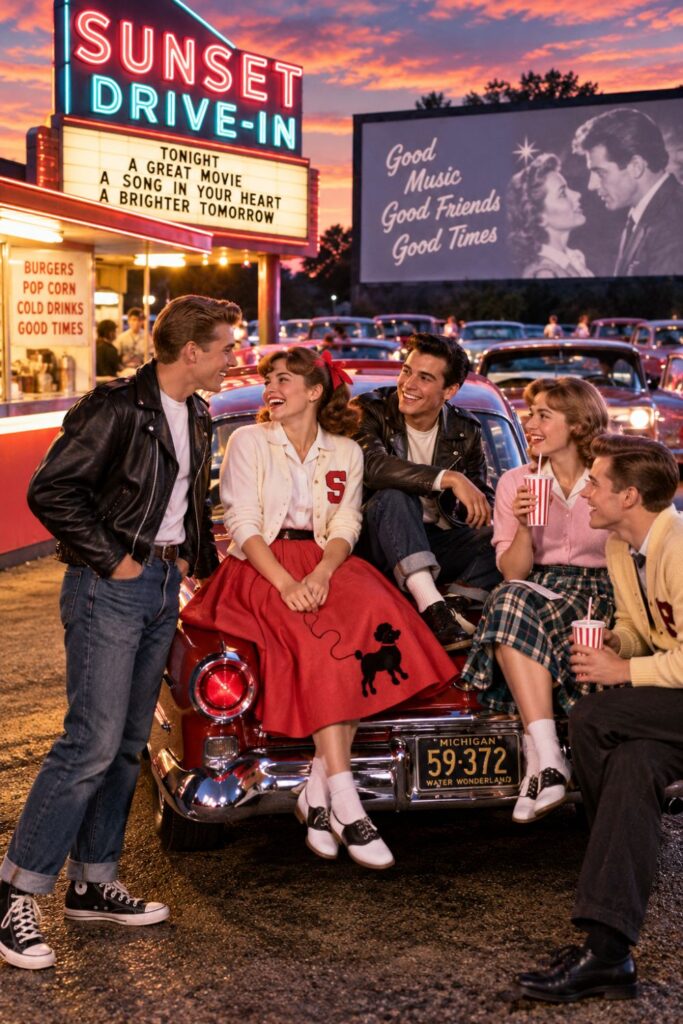
Nostalgia Myth #5: Families Were Closer Back Then
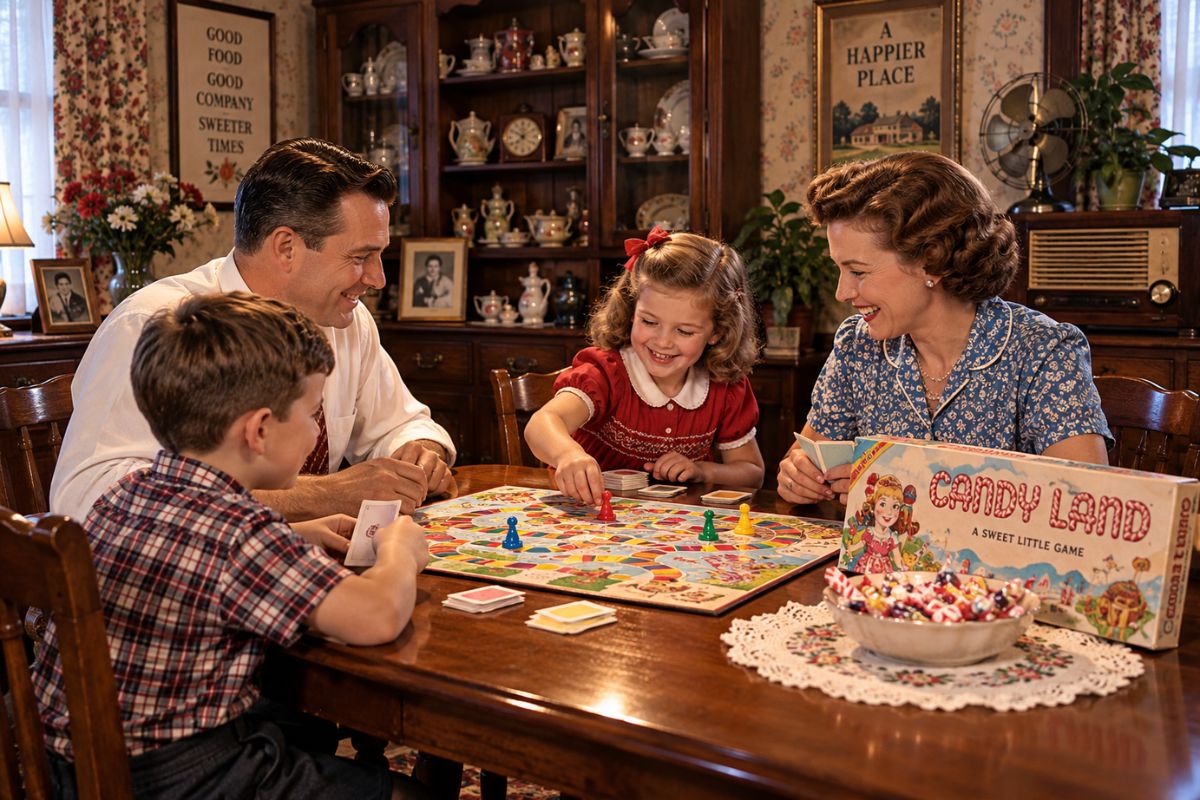
It’s easy to picture the old family home as a place where everyone gathered around the dinner table, talked about their day, and spent the evening together.
And sometimes they did.
There were fewer screens competing for attention. Families often shared one television, one telephone, and one living room. If your favorite program was on, everybody watched it at the same time. If you wanted to disappear into your bedroom, there wasn’t an internet-connected world waiting for you there.
So families certainly spent more time in the same place.
However, being in the same room didn’t automatically make a family closer. Families argued then, too. Parents were busy. Kids wanted independence. Brothers and sisters annoyed each other just as effectively without smartphones.
My parents used to talk about how their family “spent more time together” in the 1960s. Then I found out part of the reason was wonderfully practical: they only had three television channels, and their mother wasn’t about to let them disappear whenever they pleased.
My own childhood wasn’t exactly a Norman Rockwell painting either.
I used to bribe my sister Pam, who was in charge of us at the time. What I was bribing her for is a story that deserves its own article someday.
Some family traditions really haven’t changed.
Perhaps families weren’t automatically closer back then. Instead, everyday life simply created more opportunities for families to be together.
And that distinction matters.
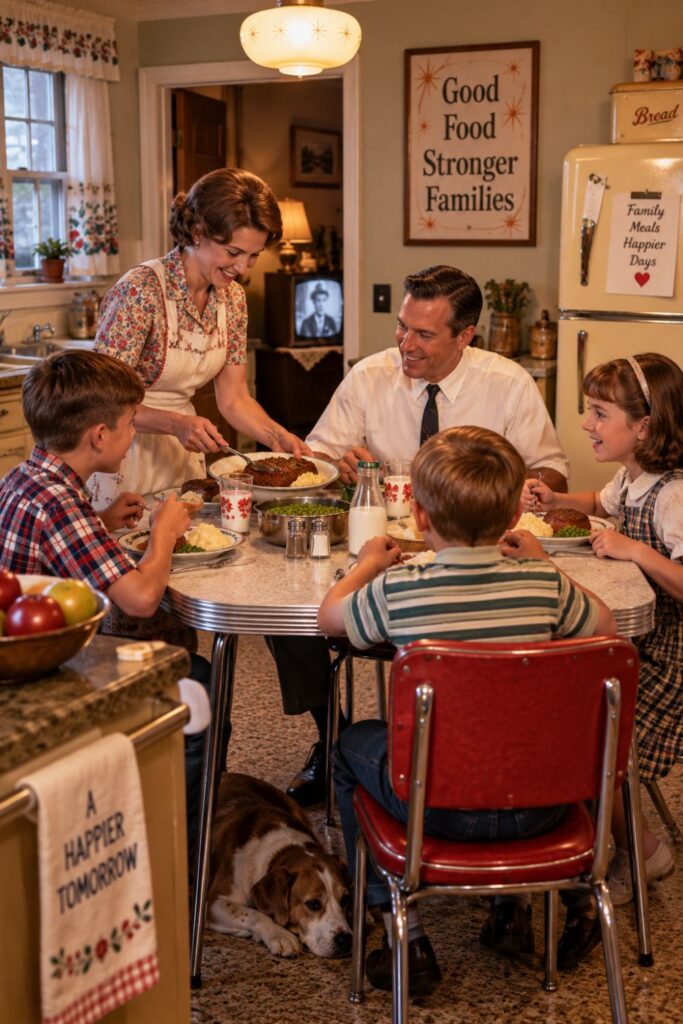
Nostalgia Nook Note: Families may have shared more rooms, meals, and television sets. Whether they shared more of themselves depended on the family.
So Why Do We Think the Past Was Better?
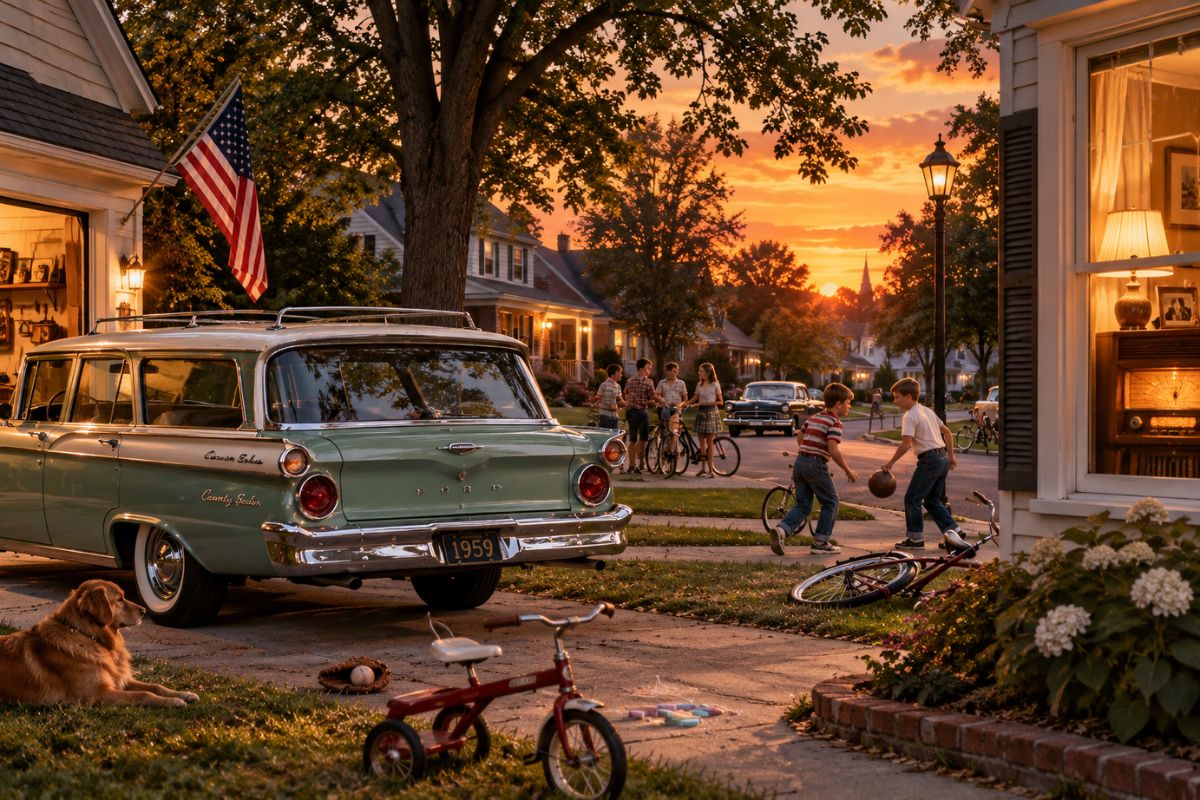
Our memories aren’t perfect recordings of the past. Over time, the rough edges can fade while the best moments remain remarkably clear.
We remember Saturday mornings, family dinners, favorite songs, neighborhood friends, and summers that seemed to last forever. Meanwhile, the arguments, worries, boredom, and everyday frustrations often lose some of their sharpness.
Psychologists sometimes call this tendency rosy retrospection: we can remember past experiences more positively than we actually experienced them at the time.
However, that doesn’t mean nostalgia is foolish—or that the past had nothing worth missing.
Some things really were different. Families often shared more experiences. Neighborhood children spent more time together. Possessions were sometimes repaired rather than replaced. Entertainment could feel more communal because everyone wasn’t watching something different on a separate screen.
That’s why Nostalgia Myths Debunked is about something better than either extreme.
We don’t have to pretend everything was wonderful. Nor do we have to dismiss the traditions, craftsmanship, music, places, and experiences that genuinely were worth preserving.
Maybe that’s what Nostalgia Nook Antiques is really about.
Not proving that yesterday was better than today—but remembering what yesterday did well enough to carry some of it forward.
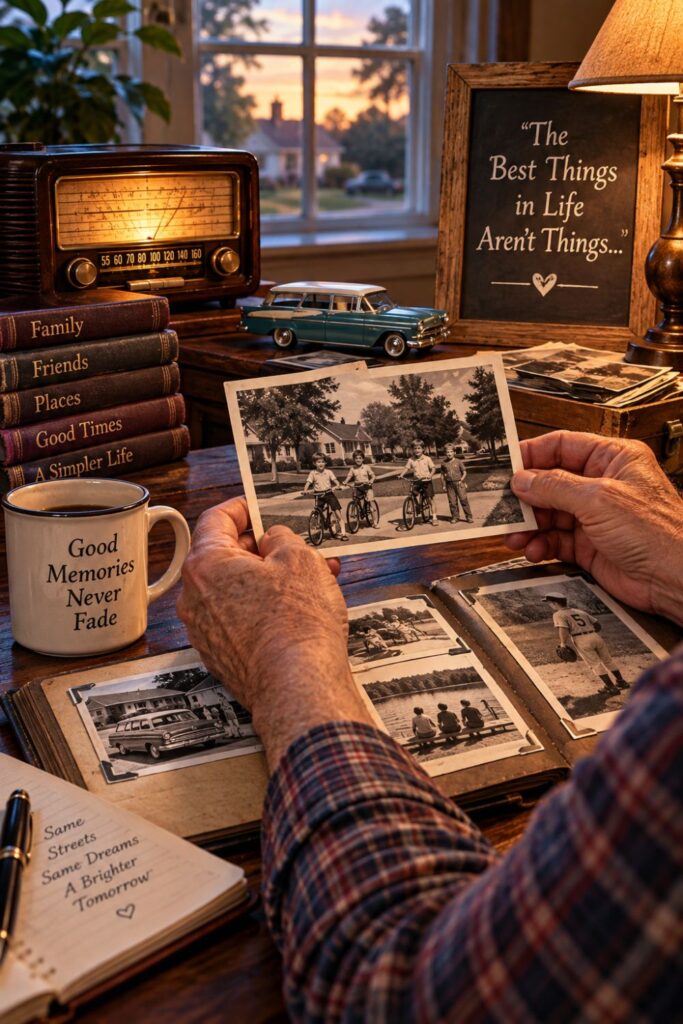
Nostalgia Nook Note: The past doesn’t have to be perfect to be worth remembering.
What Do You Remember Differently?
What is one thing you remember being better in the past—and do you think it really was better, or has nostalgia polished the memory a little? Share your story in the comments below.
Continue Your Trip Down Memory Lane
Nostalgia doesn’t end with the memories we explored here. If this article brought back a few of your own, continue exploring the people, places, traditions, and everyday experiences that made earlier generations memorable.
Why America Loved Drive-In Theaters The Summer Nights We Never Forgot—
Remember when the drive-in was more than a movie? Revisit the speakers, concession stands, family nights, and summer memories that made it special.
Childhood Halloween Memories – Return to the Halloween nights of homemade costumes, pillowcases full of candy, porch lights, and neighborhoods packed with kids.
Nostalgia Radio Theater—Step back into the days when families gathered around the radio and a voice coming through the speaker could transport an entire room.
The Music That Kept America Dancing—From familiar songs to shared dances, rediscover the music that became the soundtrack to generations of American memories.


Every antique tells a story, and every tradition carries a memory. Our newsletter brings you closer to both, with inspiration, guides, and finds that make nostalgia part of your everyday life. Subscribe today and let the past brighten your future.
5 thoughts on “Nostalgia Myths Debunked: The Illusion Of a better past”
I really enjoyed how the article dismantles the idealized view of the past by examining each nostalgia myth with both humor and honest examples. It’s striking to see how our memories tend to spotlight the “good” parts—like simpler times or sturdier products while conveniently downplaying the everyday challenges people actually faced. This got me thinking: do you believe that this romanticized version of the past serves as a useful reminder of our roots, or does it risk blinding us to the complexities and real hardships of earlier eras? How do you balance fond memories with the understanding that every generation had its own struggles?
Thanks for the comments, Dan. The good old days aint what they used to be when you look at them from a different point of view. Yes, I think the romanticized version is what we all focus on. Except my wife. She only focuses on the bad. I see no challenge in romanticizing both.
This post is such a fun (and accurate!) reality check on nostalgia! I’ve definitely caught myself romanticizing the past, only to remember the not-so-great parts—like trying to use dial-up internet or rewinding VHS tapes.
I love the point about things being “built to last.” My parents still have an old sewing machine that works perfectly, but it weighs a ton and only does one thing. Meanwhile, my modern gadgets do everything but break way faster. Maybe we just need to find a balance between quality and convenience.
Also, the “families were closer” myth really hit home. Growing up, my family ate dinner together every night, but that’s mostly because we had one TV and no other options. Do you think today’s digital world has created different (but equally meaningful) ways for families to bond? Or are we actually losing something important?
And just for fun—what’s a nostalgia myth you believed in for way too long before realizing the truth?
Thanks for the comment, Alice. I had fun writing this post. The internet nowadays has changed the world. In 1836, Samuel Morse invented the Morse code for sending messages over telegraph wires. At the time, it was a key development in communication technology, paving the way for future innovations like the telephone and internet.
One TV? Three channels to choose from? Not much choice. Ever try to replace a tube or circuit in one of those things?
I genuinely believed that blowing into NES cartridges actually fixed them—turns out, all I was doing was adding bonus dust and spit. ????
Even I would think of the past sometimes, and not as much in my time, although I do that sometimes, but I would think how it was in the days of my parents and great-grandparents. I love to hear stories from the older generation from their time coming up, and from what I heard those days do fascinate me because I always had the impression of a simple lifestyle when families were closely knit. Even though they had their challenges, I believe that many things, not all but many things, back then compared to now are so different.