Sports Memorabilia: From Collectibles to Cultural Icons
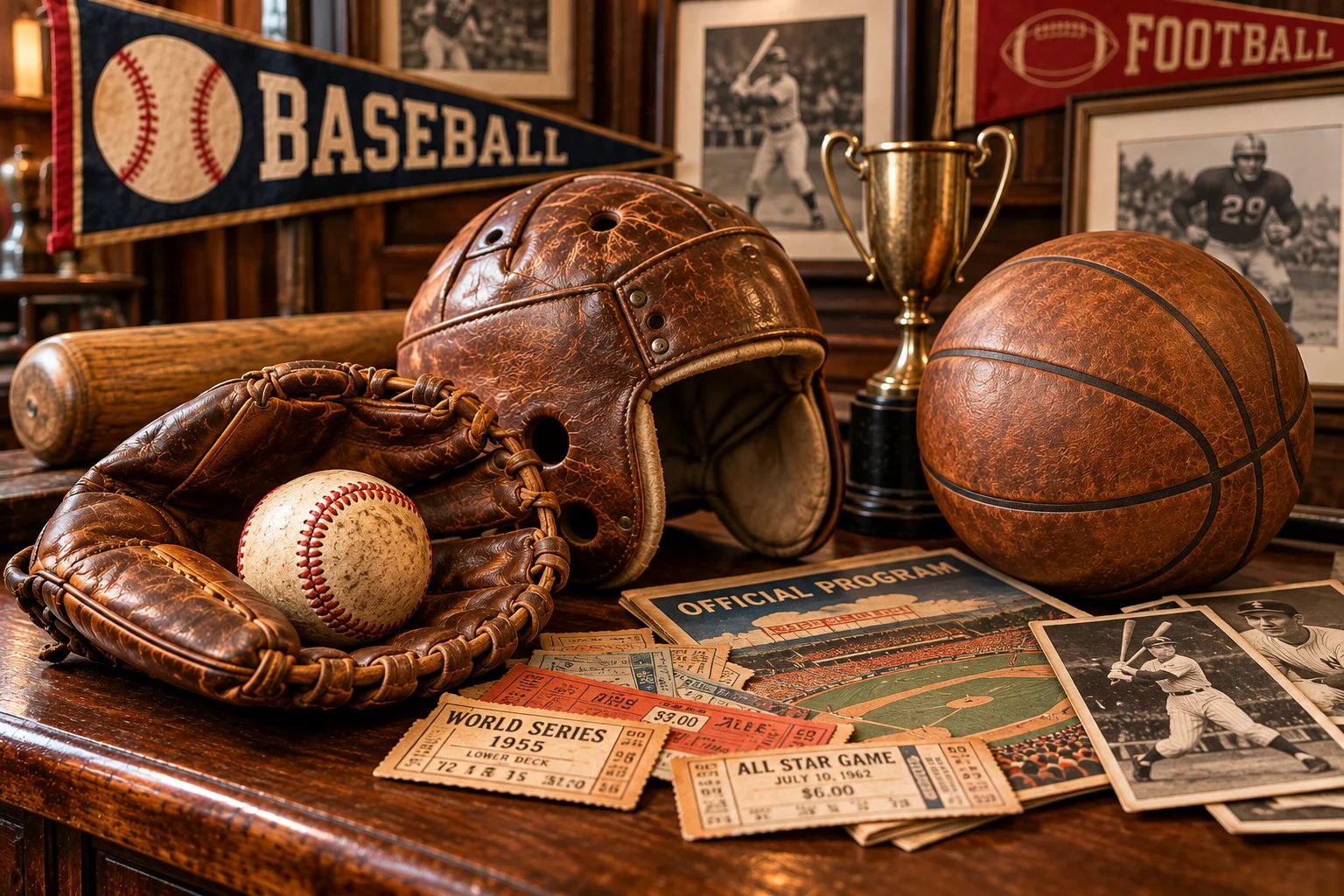
Sports memorabilia has a remarkable way of taking us back to the games, players, and unforgettable moments that shaped our lives. Sometimes, all it takes is an old baseball glove, a faded ticket stub, or an autographed photograph to bring those memories rushing back.
Hello, I’m Dean, and I’ve always believed that the stories behind these collectibles are just as valuable as the items themselves.
Remember attending a baseball game with your father? The smell of hot dogs, the crack of the bat, and the excitement of watching your favorite player step up to the plate? Those memories don’t disappear when the final inning ends.
For generations, fans collected baseball cards, pennants, programs, and signed equipment because they loved the game. Nobody needed an auction house to explain why a treasured baseball mattered.
Something amazing did happen, though, along the way.
Those inexpensive souvenirs became valuable collectibles. Auction houses began selling historic sports treasures for astonishing prices, while museums recognized their cultural importance.
Today, sports memorabilia connects generations of fans through history, nostalgia, and a shared love of competition.
And occasionally, that dusty old baseball in Grandpa’s closet turns out to be worth more than his car!
When Sports Memorabilia Became American History
From Treasured Keepsakes to Cultural Icons
Watch Our Nostalgic Journey Below

From Passionate Hobbies to a Lucrative Market
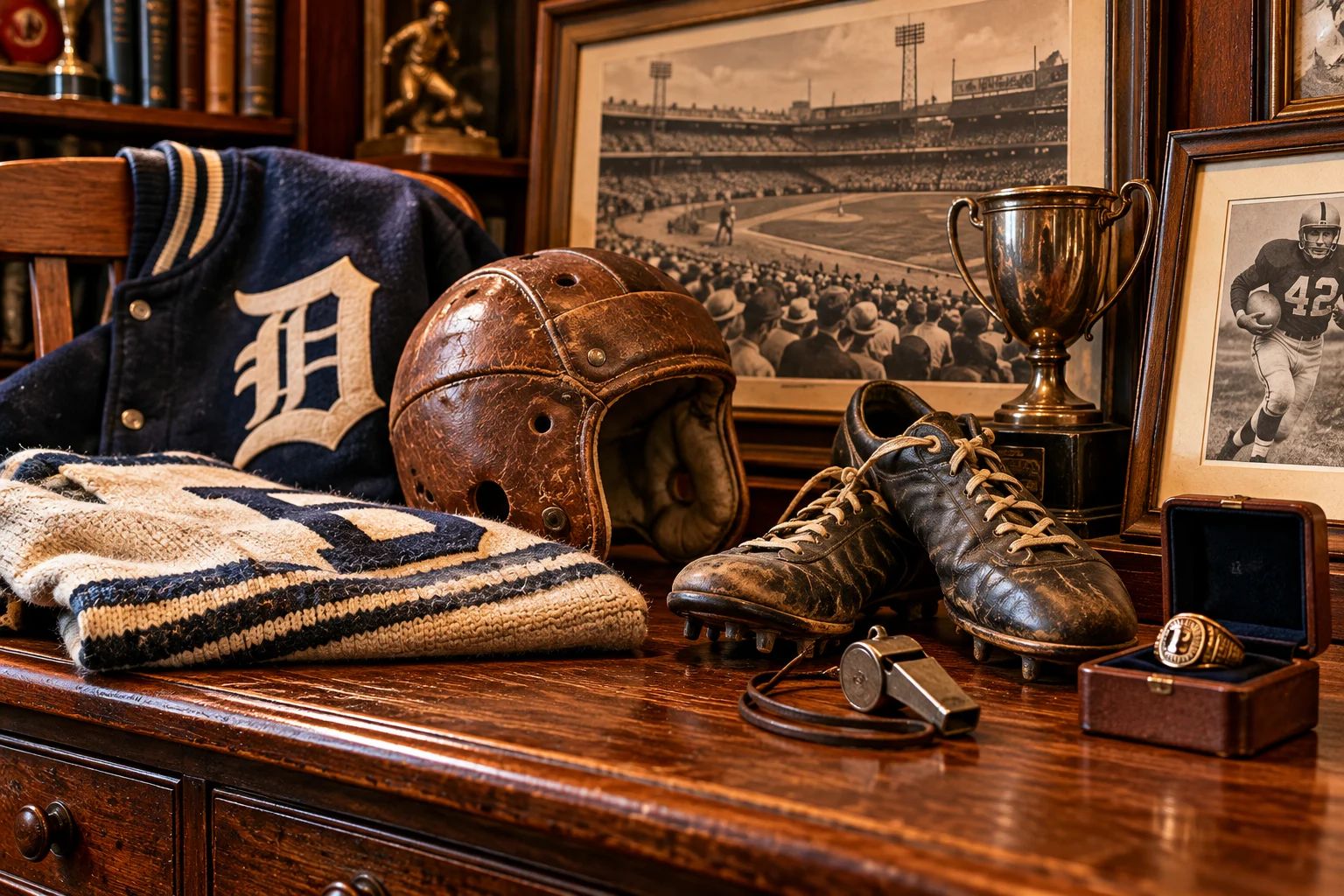
There was a time when collecting sports memorabilia meant saving baseball cards, hanging pennants on bedroom walls, and keeping ticket stubs from unforgettable games.
Nobody worried much about investment portfolios. A Mickey Mantle baseball card was something to show your friends, not something you locked away in a bank vault.
However, by the 1980s and 1990s, the hobby was changing dramatically.
Sports memorabilia auctions attracted serious collectors, wealthy investors, and celebrities. Suddenly, autographed baseballs, historic jerseys, and rare trading cards were commanding astonishing prices.
One remarkable example came in January 1999, when Mark McGwire’s 70th home run baseball from the previous season sold for an astonishing $3 million.
Meanwhile, television coverage and newspaper headlines helped turn collecting into a national obsession. Every record-breaking sale seemed to bring another wave of buyers into the market.
Of course, not every collectible became valuable. Condition, rarity, authenticity, and historical significance continued to separate ordinary souvenirs from extraordinary treasures.
Nevertheless, the excitement remained.
For many collectors, the greatest reward wasn’t the money. It was owning a small piece of sports history.
Collector’s Corner: A baseball card that once cost a few pennies could eventually become worth thousands, or even millions. The trick, of course, was knowing which one to keep!
Sports Memorabilia as Cultural Icons

Some sports collectibles become so famous that even people who have never watched a game recognize their importance.
Consider the legendary Honus Wagner T206 baseball card. Originally produced in the early 1900s, this rare card eventually became one of the most celebrated treasures in sports memorabilia history.
Then there’s Muhammad Ali’s boxing gloves, Michael Jordan’s game-worn sneakers, and Babe Ruth’s legendary baseball equipment.
These aren’t ordinary souvenirs. They’re reminders of athletes who changed their sports and influenced American culture.
Meanwhile, television, movies, and documentaries introduced these sporting legends to audiences far beyond the stadium.
Think about the excitement surrounding Michael Jordan during the Chicago Bulls championship years. His sneakers became fashion statements, while his jerseys appeared everywhere from school playgrounds to neighborhood basketball courts.
In the same way, even someone who hasn’t been to a Detroit Tigers game in decades can remember spending summer afternoons at the field when they wear an old shirt.
That’s the remarkable thing about sports memorabilia. Its value isn’t always measured in dollars.
Sometimes, it’s measured in the memories it brings home.
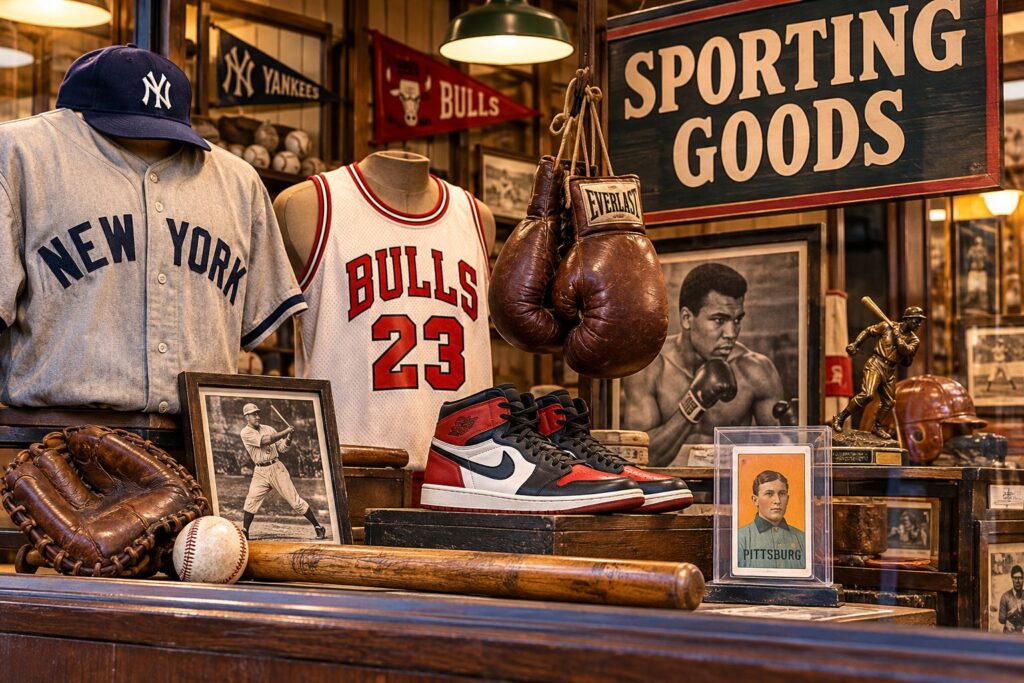
Sports History Spotlight: The Honus Wagner T206 card became legendary partly because so few examples survived. Today, collectors regard it as one of baseball’s most famous trading cards.
Digital Age and the New Era of Collecting
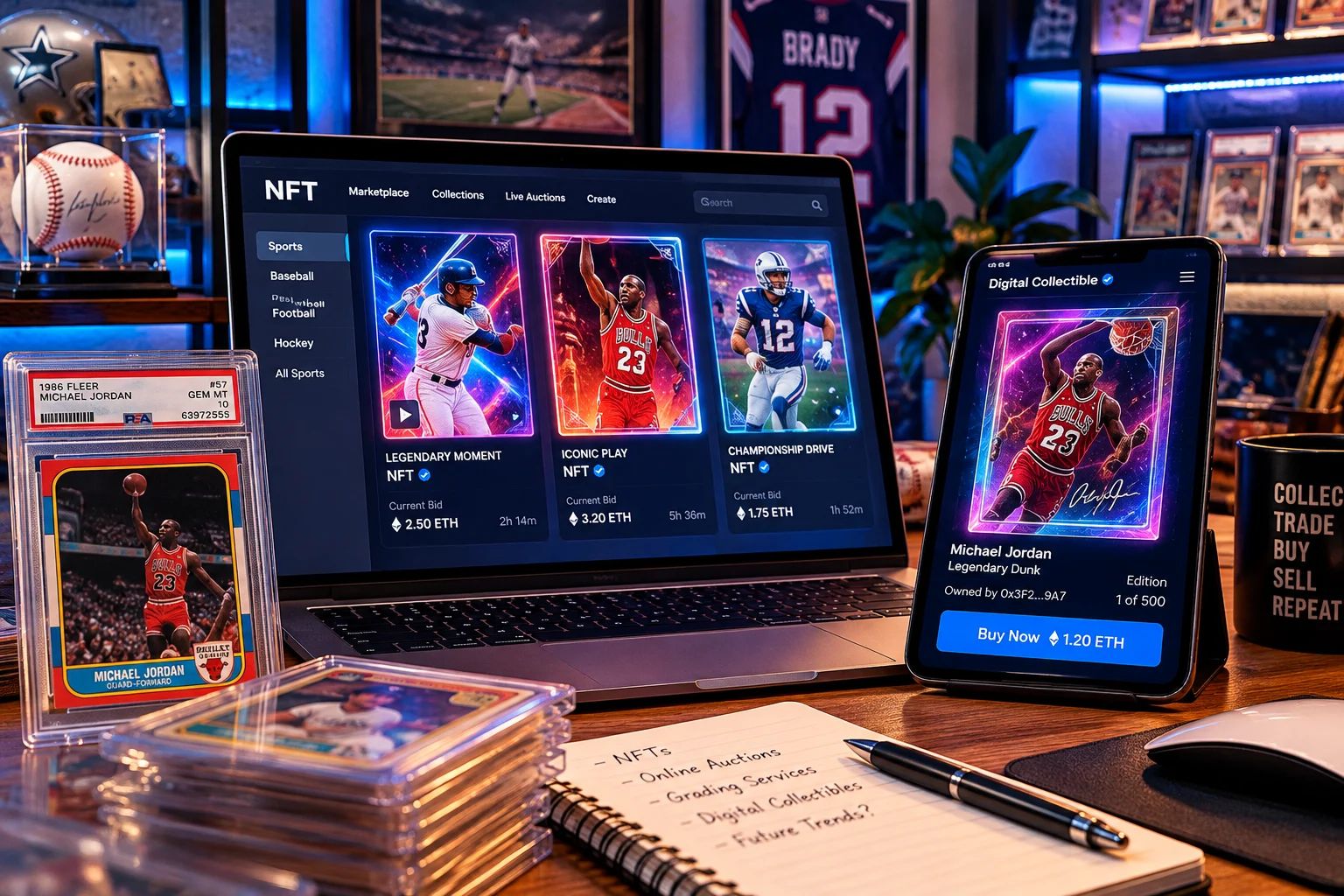
Remember when finding a rare baseball card meant visiting a local hobby shop, attending a collectors’ convention, or searching through boxes at a flea market?
Today, sports memorabilia collectors can explore thousands of items without leaving their living rooms.
Online auctions transformed the hobby by connecting buyers and sellers around the world. Meanwhile, professional grading services helped collectors evaluate the condition and authenticity of valuable trading cards.
Organizations such as Professional Sports Authenticator (PSA) became important resources for collectors seeking authentication and grading.
However, technology introduced a few curveballs.
Digital collectibles, including NFTs, briefly attracted enormous attention. Fans could purchase blockchain-based items associated with memorable sporting moments, although their popularity and resale values proved unpredictable.
Unfortunately, counterfeit merchandise and misleading online listings also became serious concerns. Even sophisticated technology cannot guarantee that every collectible is genuine.
Nevertheless, the digital marketplace has made sports collecting more accessible than ever.
Whether you’re searching for a childhood baseball card or researching a historic championship jersey, the next great discovery might be only a few clicks away.
The Future of Sports Memorabilia
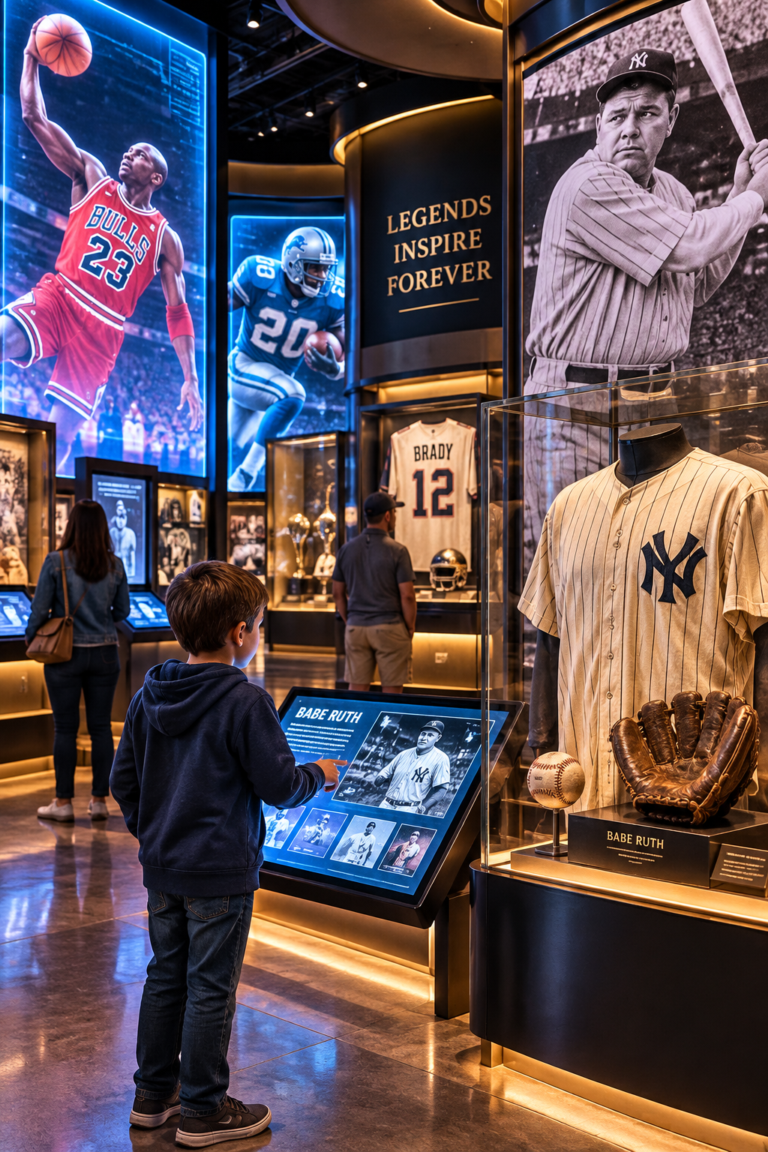
What will sports memorabilia collecting look like twenty years from now? Will tomorrow’s collectors treasure old baseball gloves, championship jerseys, or digital highlights of their favorite athletes?
Probably a little of everything.
Technology is already changing how collectors discover, authenticate, and preserve sporting treasures. In the meantime, AI might one day make it easier to spot fake signatures and more quickly assess rare items.
But technology cannot replace careful research or professional authentication.
Organizations such as the National Baseball Hall of Fame and Museum demonstrate why preserving sporting history matters. Their collections help future generations understand the players, equipment, and unforgettable moments that shaped America’s favorite pastime.
Additionally, augmented reality could someday allow fans to explore historic games through interactive displays. Imagine examining a championship jersey while watching highlights from the very game in which it was worn.
Yet, one thing seems unlikely to change.
Collectors will continue searching for meaningful connections to their favorite athletes and childhood memories.
A faded pennant, an old ticket stub, or Grandpa’s carefully preserved baseball glove may never bring a fortune at auction.
But to the family that treasures it, its value might be impossible to measure.
Frequently Asked Questions About Sports Memorabilia
Sports memorabilia collecting has come a long way from saving baseball cards and ticket stubs. Today, collectors search for everything from championship jerseys to rare digital collectibles.
However, questions about authenticity, value, and collecting history are just as important as finding that perfect souvenir.
Here are answers to six common questions about sports memorabilia.
When Did Sports Memorabilia Collecting Begin?
Sports fans have saved souvenirs for generations. Baseball cards became popular during the late 1800s, while tobacco companies helped expand the hobby by including collectible cards with their products.
However, organized sports memorabilia collecting grew significantly during the 20th century as fans began seeking autographs, historic equipment, and rare trading cards.
Which Athletes Made Sports Memorabilia Famous?
Babe Ruth, Honus Wagner, Muhammad Ali, and Michael Jordan helped turn sporting keepsakes into cultural treasures.
Their achievements created lasting demand for signed equipment, trading cards, and historic jerseys.
For example, the famous Honus Wagner T206 card remains one of the most celebrated collectibles in baseball history.
How Has the Internet Changed Sports Collecting?
Online marketplaces made it easier for collectors to buy, sell, and research memorabilia worldwide.
Meanwhile, professional grading services introduced more standardized ways to evaluate trading cards.
However, collectors must remain cautious about counterfeit signatures, altered cards, and misleading descriptions.
What Makes Sports Memorabilia Valuable?
Rarity, condition, authenticity, historical importance, and collector demand all influence an item's value.
A baseball signed by a legendary player may be valuable, but documentation and professional authentication can make a substantial difference.
Likewise, an ordinary ticket stub might become historically significant if it came from an unforgettable championship game.
How Can Collectors Avoid Buying Fake Memorabilia?
Start by researching the seller and examining the item's history.
Additionally, reputable authentication services can help evaluate signatures and trading cards.
The Professional Sports Authenticator (PSA) website provides useful information about grading and authentication.
Remember, a certificate alone doesn't guarantee authenticity. Always investigate the organization issuing it.
The Memories Behind the Memorabilia
Sports memorabilia has always been about more than collecting valuable objects. It’s about remembering the players we admired, the games we attended, and the people who shared those unforgettable moments with us.
At Nostalgia Nook Antiques, we believe every collectible has a story worth preserving. Whether it’s a faded baseball pennant, a treasured jersey, or a ticket from your first game with Dad, those memories are what make sports history personal.
And sometimes, the greatest treasure isn’t the collectible itself. It’s the story you get to tell when someone asks where it came from.
If these vintage styles brought back a few memories, there are plenty more stories waiting in the closet. Keep exploring the clothes, culture, and everyday style that made each decade unmistakably its own.
How to Start Your Vintage Sports Memorabilia Collection
Ready to start collecting? Discover how to find, evaluate, and preserve the sporting treasures that mean the most to you.
Exploring the World of Vintage Sports Memorabilia
Take another trip through sports history and discover the equipment, collectibles, and legendary moments that captured generations of fans.
Vintage Horror Movie Posters Review: A Classic Collector’s Dream
From legendary athletes to legendary movie monsters, discover why vintage posters have become treasured pieces of entertainment history.
Antique Collecting on a Budget
You don’t need a millionaire’s wallet to enjoy collecting. Explore practical ways to discover antiques and nostalgic treasures without overspending.
How Memories of the Past Become Valuable Antiques
Why do ordinary objects sometimes become extraordinary collectibles? Discover how history, rarity, and personal memories can transform yesterday’s possessions into today’s treasures.
The games may end, but the memories are always worth keeping at Nostalgia Nook Antiques.

Remember your first baseball game, the toys you couldn’t put down, or the treasures tucked away in Grandma’s attic? Those are the stories we love sharing at Nostalgia Nook Antiques.
Join our free weekly newsletter for fascinating history, forgotten favorites, collecting tips, and nostalgic discoveries. Every issue brings another reason to smile, remember, and explore the past.
The memories are priceless. The newsletter is free.