Home » Heritage & Home » Antique Collection on a Budget
Antique Collection on a Budget: A Beginner's Guide to Finding Hidden Treasures
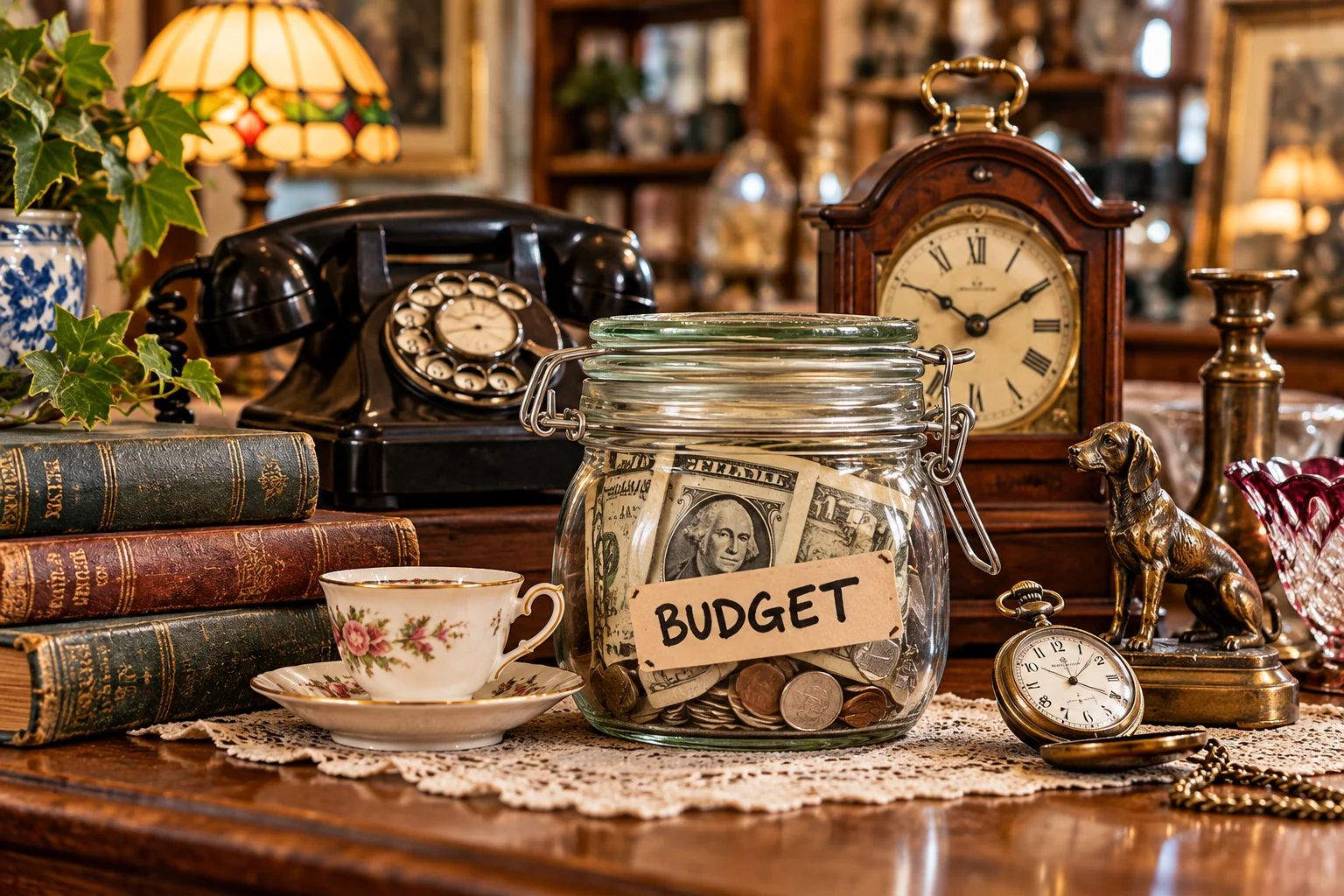
Starting an antique collection on a budget doesn’t require a wealthy relative, a winning lottery ticket, or a secret bank account. Sometimes, all it takes is a Saturday morning, a few dollars, and a willingness to look where everyone else walks past.
You might discover an old pocket watch tucked inside a flea market display, a beautiful piece of Depression glass at a neighborhood estate sale, or a forgotten wooden radio waiting for someone to appreciate it again.
Of course, not every dusty object is valuable, and not every bargain is worth bringing home. That’s part of the adventure. Learning what to look for, what to avoid, and when to walk away can save you money and disappointment.
The good news? Some of the most interesting collections begin with inexpensive discoveries. Better yet, each piece comes with a little history, a little mystery, and perhaps a story worth sharing.
So, before you empty your wallet at the nearest antique mall, let’s explore how to build a collection you’ll enjoy without putting your household budget in a museum.
See How a Small Budget Can Lead to Big Discoveries
You don’t need a fortune to enjoy the thrill of antique collecting. Sometimes the most interesting discoveries are hiding in thrift stores, flea markets, and neighborhood estate sales.
In our companion video, we’ll explore the fun of hunting for affordable antiques, recognizing overlooked treasures, and building a collection that reflects your interests.
Press play and come along for the treasure hunt. You might discover a few ideas for your next antique-shopping adventure.

Is Collecting Antiques a Good Investment?
Collecting antiques can be rewarding, but there’s an important difference between buying something you love and buying something you expect to increase in value. An antique collection on a budget is best approached as a personal interest rather than a promise of financial profit.
An old pocket watch might cost $25 at an estate sale and become your favorite possession. However, that doesn’t mean someone will pay $100 for it next year.
Condition, authenticity, rarity, and demand all influence an antique’s resale value. Even so, prices can change as collecting trends come and go.
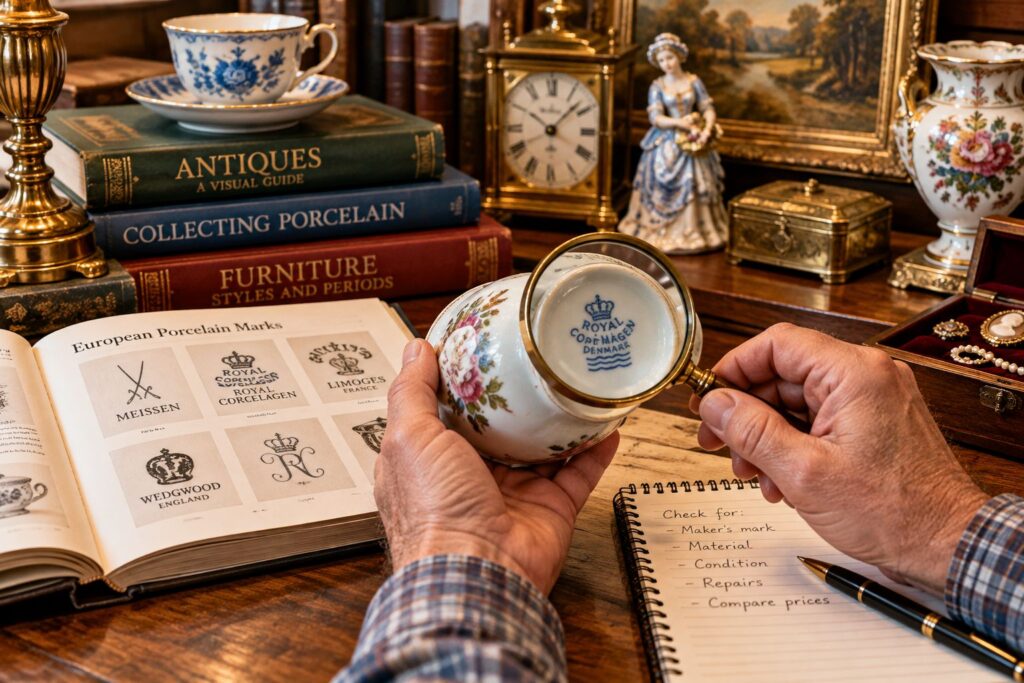
For beginners, the smartest investment is often knowledge. Visit antique shops, compare prices, examine makers’ marks, and learn how to recognize repairs or reproductions.
Also, remember that selling an antique can involve commissions, shipping expenses, and plenty of patience. A bargain isn’t necessarily profitable once those costs are included.
My advice? Collect what interests you, establish a spending limit, and consider potential resale value a bonus rather than a guarantee.
The real pleasure of collecting comes from owning a little piece of history that means something to you, regardless of what someone else might pay for it.
How to Start an Antique Collection on a Budget
Developing a Personal Collection Strategy
Walking into an antique shop without a plan can be dangerous to your wallet. One minute you’re admiring an old pocket watch, and the next you’re wondering how to fit a Victorian rocking chair into your car.
Start by choosing something that genuinely interests you. Perhaps it’s vintage radios, antique books, Depression glass, or the kitchenware you remember from your grandmother’s house. Building an antique collection on a budget becomes easier when you focus on a few categories and learn what similar pieces typically sell for.
Begin with one category and learn everything you can about it. Study makers’ marks, materials, common reproductions, and typical selling prices. That knowledge will help you recognize a genuine bargain.
Keep a simple list of what you’ve bought, including how much you paid, where you found each item, and any fun facts you’ve learned about its past.
You don’t need to become an expert overnight. A thoughtful collection built slowly is often more satisfying than a room full of impulse purchases.
Setting a Budget for Beginner Antique Collectors
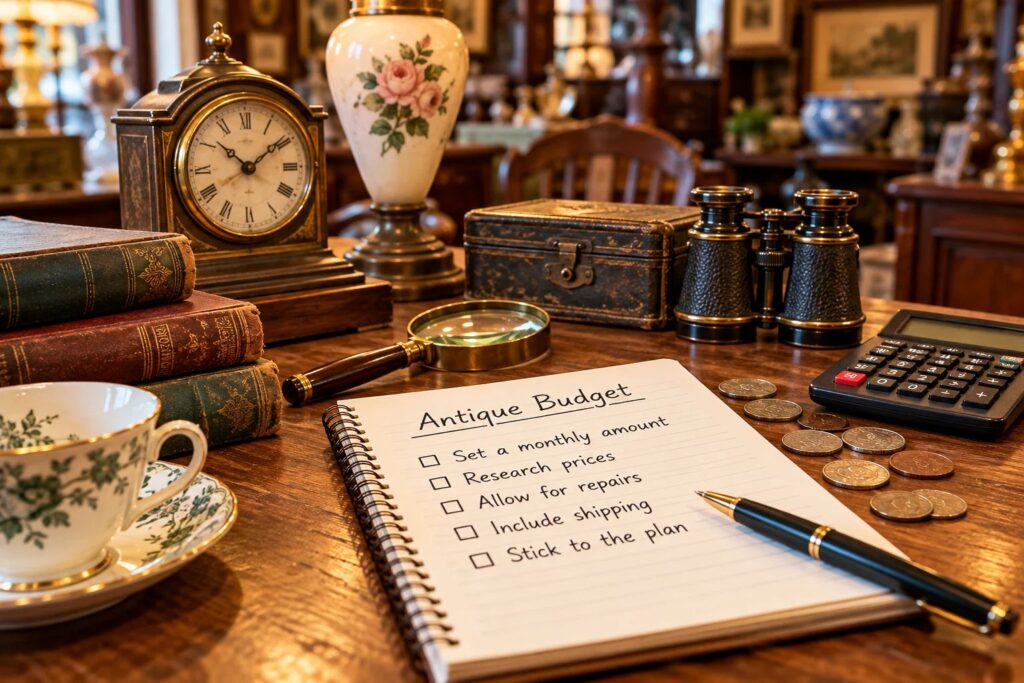
You don’t need a fortune to start collecting antiques. In fact, some of the most enjoyable discoveries come from knowing exactly how much you can afford to spend.
Start with a comfortable monthly collecting allowance. Perhaps it’s $20, $30, or $50. The amount matters less than sticking to it. If nothing catches your eye this month, save that money for a better opportunity.
If you’re unsure where to begin, Consumer.gov offers a helpful guide to making a budget that can help you decide how much money to set aside for hobbies and collecting.
However, remember that the price tag doesn’t always tell the whole story. A $15 antique clock might need $100 in repairs. Likewise, a bargain piece of furniture could require expensive restoration or transportation.
Here’s a useful trick: Before buying anything, ask yourself three questions:
Do I genuinely want this piece?
Is the price reasonable compared with similar items?
Can I afford any additional costs?
If the answers aren’t convincing, walk away. Another estate sale, flea market, or antique shop will be waiting.
The goal is to build a collection that brings you pleasure, not a stack of bills that keeps you awake at night.
Finding Affordable Antiques for Your Collection
Finding affordable antiques is half the adventure. You don’t have to spend a lot of money on expensive antique shops to find something nice to bring home.
Some of the best hunting grounds are surprisingly ordinary places. An antique collection on a budget often begins with patience, especially when searching estate sales, flea markets, and secondhand shops.
Thrift Stores and Estate Sales
Thrift Stores: Look beyond the modern household goods. Older picture frames, books, ceramics, and kitchen utensils sometimes turn up at modest prices. However, inspect everything carefully for cracks, damage, and missing parts.
Estate Sales: These can be wonderful places to discover vintage furniture, clocks, glassware, and family collectibles. Prices vary, so arrive early for the best selection or visit later when some sellers may offer discounts.
Looking for a good place to start? Visit EstateSales.NET to discover upcoming estate sales and auctions in your area. You never know what someone might have tucked away for the past 50 years.
Flea Markets and Online Marketplaces
Flea Markets: Bring cash, wear comfortable shoes, and don’t be afraid to negotiate politely. Dealers sometimes have room to adjust their prices, particularly when you’re purchasing several items.
Online Marketplaces: Facebook Marketplace and local community groups can offer interesting finds close to home. Ask for additional photographs, verify measurements, and inspect expensive purchases in person whenever practical.
Local Auctions and Antique Malls
Local Auctions: Auctions can be exciting, but bidding wars have a way of making sensible people forget their budgets. Set your maximum price beforehand, and remember to include any buyer’s premium and applicable taxes.
Antique Malls: Don’t overlook them! Dealers often specialize in different categories, making antique malls excellent places to compare prices and learn what similar pieces are selling for.
A little advice from one treasure hunter to another: The best bargain isn’t always the cheapest object. It’s the piece you genuinely want, in a condition you’re happy with, at a price you can comfortably afford.
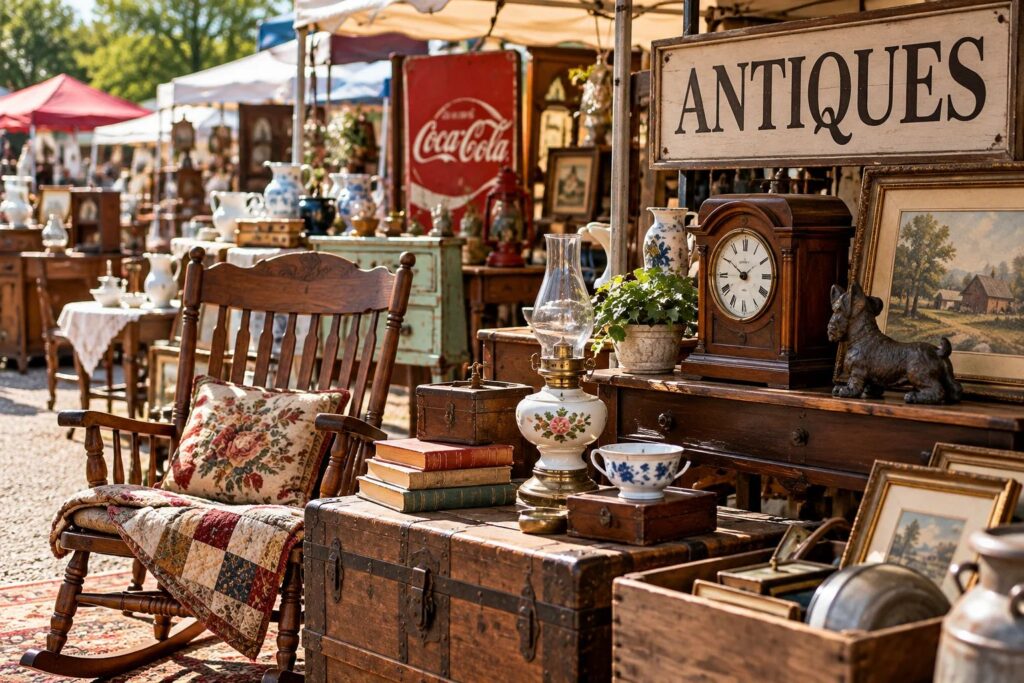
One of the pleasures of antique collecting is discovering what catches your eye. Some people can’t resist an old clock, while others find themselves drawn to vintage books, colorful glassware, or furniture with a story to tell.
Your antique collection on a budget should reflect the objects you genuinely enjoy, not simply whatever happens to be fashionable. But if you’re collecting on a tight budget, it can get pricey to try to get a bit of everything.
Choose one or two categories that genuinely interest you. As you learn about their history, makers, and typical prices, you’ll become better at recognizing worthwhile discoveries.
You might even find that the objects you enjoy most aren’t the expensive ones. Sometimes a $10 kitchen utensil brings back more memories than a $500 display cabinet.
What Are the Best Antiques to Collect?
The best antiques to collect aren’t necessarily the rarest or most expensive. They’re the ones that interest you enough to learn their history and recognize a good find.
There are a lot of categories for collecting that make it easy for beginners to start out small.
Furniture and Vintage Jewelry
Antique Furniture: Character and Craftsmanship
Old wooden chairs, occasional tables, and small cabinets can add personality to a room. Look for sturdy construction, original hardware, and signs of previous repairs. Smaller pieces are often easier to afford, transport, and display.
Vintage Jewelry: Small Treasures with Big Stories
Brooches, lockets, costume jewelry, and old-fashioned cufflinks make wonderful starter collections. However, don’t assume every piece contains precious metals or gemstones. Learn to recognize hallmarks and reproductions before paying premium prices.
Artwork and Antique Books
Paintings and Decorative Art: Beauty on a Budget
Original artwork doesn’t have to come from a famous artist. Local paintings, vintage prints, and small sculptures can make an interesting collection. Buy what appeals to you, and examine signatures, materials, and condition carefully.
Antique Books: History You Can Hold
Old cookbooks, children’s stories, illustrated volumes, and regional histories are fascinating to explore. First editions can be expensive, but many older books are surprisingly affordable. Check for missing pages, damaged bindings, and water stains.
Clocks and Watches: Mechanical Marvels
Clocks and Watches: Mechanical Marvels
Mantel clocks, alarm clocks, and pocket watches offer a glimpse into earlier generations of craftsmanship. Some are inexpensive, especially when they aren’t working. However, repairs can quickly exceed the purchase price, so ask questions before buying.
Porcelain and Ceramics: Everyday Elegance
Vintage teacups, decorative plates, pottery, and figurines offer endless variety. Begin with patterns or manufacturers you enjoy. Examine each piece for chips, hairline cracks, and repairs that might affect its value.
Want to learn more about your favorite antiques? Explore the Victoria and Albert Museum’s online collections, where you can discover the history, designs, and craftsmanship behind everything from antique furniture to jewelry and ceramics. It’s a wonderful place to do a little homework before your next treasure hunt.
The best starting point? Choose a category that makes you curious. As your knowledge grows, you’ll discover which pieces deserve a place in your collection and which ones are better left for another treasure hunter.
Is There a Demand for Antiques?
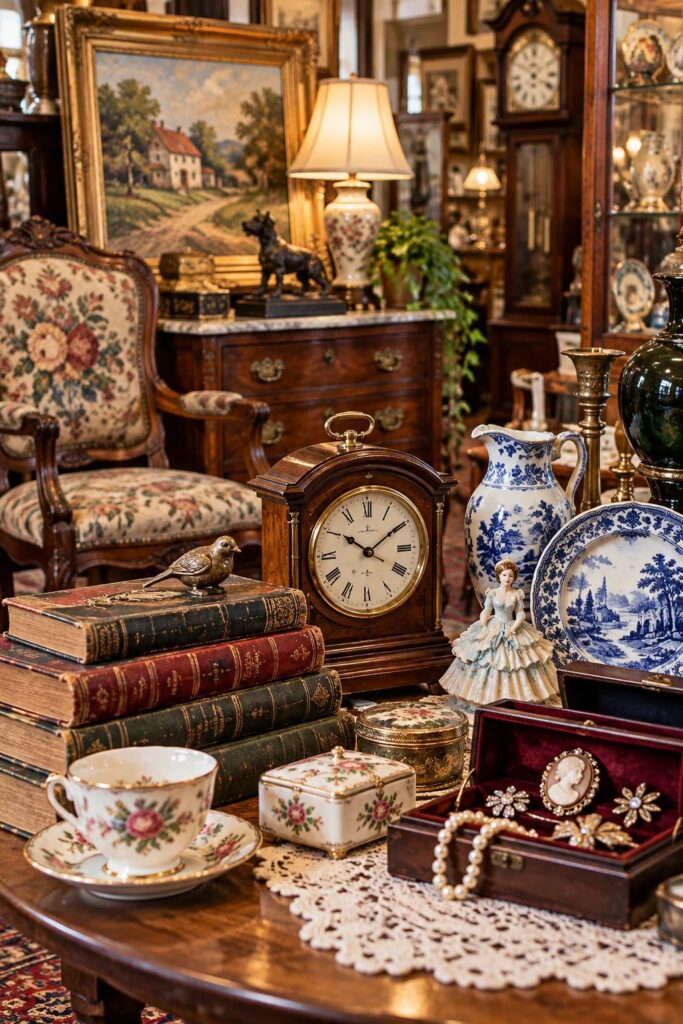
Absolutely! People continue to buy antiques for their history, craftsmanship, decorative appeal, and personal connections. However, demand varies considerably depending on the item, its condition, and changing tastes.
Yesterday’s Favorites Aren’t Always Today’s Bestsellers
Collecting trends change with each generation. Some traditional furniture styles that once commanded impressive prices now attract fewer buyers. Meanwhile, certain vintage designs, advertising memorabilia, and unusual decorative pieces have developed enthusiastic followings.
That doesn’t mean older antiques have lost their appeal. It simply means popularity isn’t guaranteed.
Who’s Buying Antiques Today?
Collectors aren’t the only customers. Interior decorators, homeowners, history enthusiasts, and people furnishing their first apartments also shop for vintage pieces.
Additionally, buying secondhand can appeal to people who prefer reusing existing furniture and household goods rather than purchasing everything new.
How Do You Know What’s Popular?
Curious about what collectors are actually paying? Explore the LiveAuctioneers auction results database to research past selling prices for antiques, furniture, artwork, and collectibles. Remember, an auction result is a useful comparison, not a guarantee of what your own treasure might bring.
Visit antique malls, attend local auctions, and compare recent selling prices for similar items. Pay attention to what actually sells, not simply the asking prices displayed on expensive collectibles.
Auction results and completed sales can provide useful clues, although condition, location, and buyer interest can make prices vary widely.
Here’s the important part: Don’t build your collection around predictions of what might become fashionable next year. Choose pieces you enjoy, learn their history, and buy at prices that make sense for your budget.
A collection built on genuine interest will remain rewarding even when the market changes.
How to Learn About Antiques Without Spending a Fortune
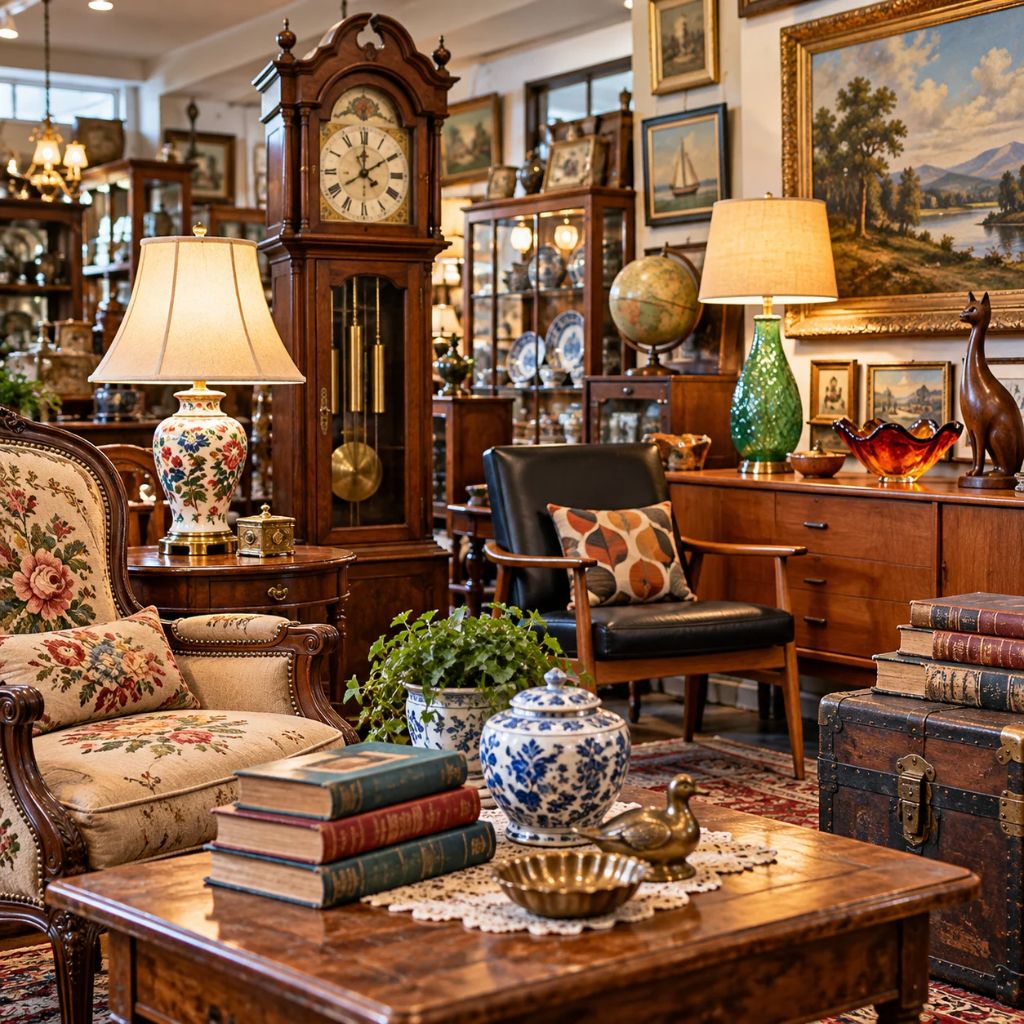
Becoming a knowledgeable antique collector doesn’t require an expensive education. In fact, some of the best lessons come from browsing antique shops, asking questions, and occasionally discovering that a bargain wasn’t quite the bargain you imagined.
The trick is to learn a little more with every purchase. Research is one of the most valuable tools for anyone building an antique collection on a budget.
Start With Books, Museums, and Free Resources
Need a little help researching an antique? The Smithsonian’s guide to artifact appraisals offers helpful suggestions for finding price guides, researching collectibles, and locating professional appraisal resources. It’s a useful starting point when you’re trying to separate a genuine bargain from an expensive lesson.
Your local library is an excellent starting point. Look for books about antique furniture, pottery marks, vintage jewelry, and whatever collecting category interests you most.
Additionally, museum websites offer photographs and historical information that can help you recognize different styles and periods. You can learn quite a bit without spending a penny.
Get to Know Other Collectors
Antique clubs, online collecting communities, and local dealers can introduce you to people who share your interests.
Ask how they identify reproductions, evaluate condition, and research unfamiliar makers. Experienced collectors often have stories worth hearing, including a few about purchases they wish they’d left on the shelf.
You don’t have to buy anything to benefit from attending an antique show or auction preview.
Instead, examine different pieces, compare prices, and ask dealers about their merchandise. Over time, you’ll begin recognizing common designs, materials, and signs of wear.
However, don’t assume every asking price reflects an item’s actual market value.
Visit Antique Shows and Auctions.
You don’t have to buy anything to benefit from attending an antique show or auction preview.
Instead, examine different pieces, compare prices, and ask dealers about their merchandise. Over time, you’ll begin recognizing common designs, materials, and signs of wear.
However, don’t assume every asking price reflects an item’s actual market value.
Learn From Your Mistakes
Nearly every collector eventually buys something that turns out to be less valuable, less authentic, or more difficult to restore than expected.
Rather than getting discouraged, use the experience to improve your research. Keep photographs, notes, and purchase records so you can recognize similar pieces in the future.
The more you learn, the more confident you’ll become. And when that special antique finally appears at a price you can afford, you’ll be better prepared to decide whether it’s worth bringing home.
Your Antique Adventure Starts With One Treasure
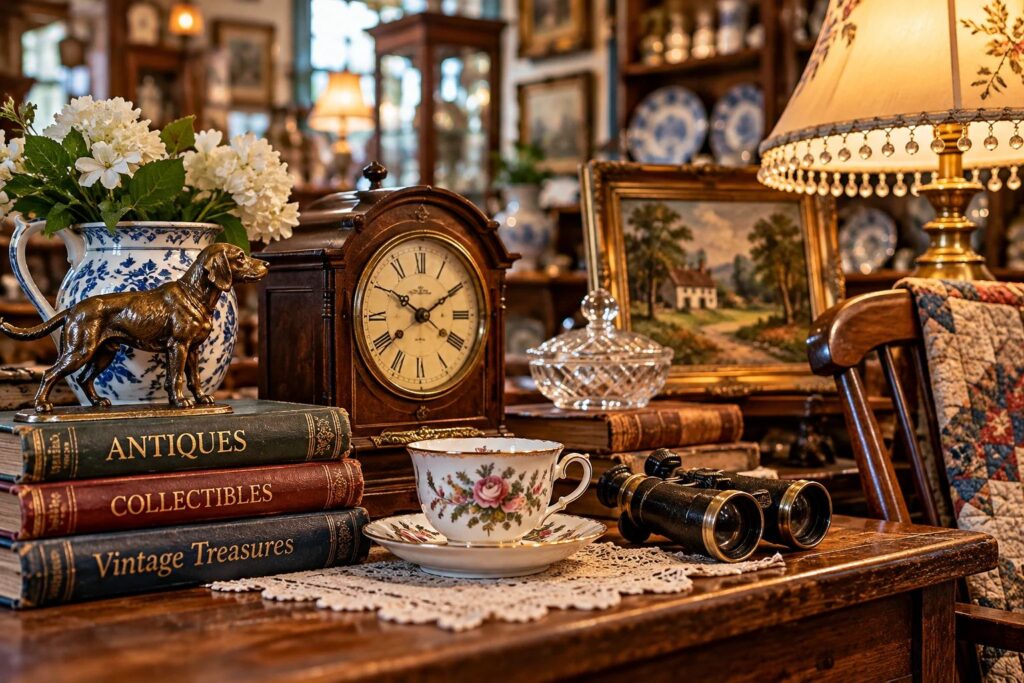
Building an antique collection on a budget isn’t about filling every shelf or finding something worth a fortune. It’s about discovering pieces that connect you with history, craftsmanship, and memories.
Maybe your first treasure will be a $15 mantel clock from an estate sale, a vintage cookbook from a thrift store, or a porcelain teacup that reminds you of your grandmother’s kitchen.
Whatever catches your eye, start small. Learn about the things you love, compare prices, ask questions, and enjoy the occasional unexpected discovery.
And remember, the best antique collection isn’t necessarily the most expensive one. It’s the collection that tells your story.
So, the next time you pass an antique shop or neighborhood estate sale, stop in and have a look.
You never know what little piece of history might be waiting for you.
Keep the Treasure Hunt Going
Every antique has a story, and there’s always something new to discover. Whether you’re interested in restoring family heirlooms, exploring vintage technology, or learning about old-fashioned craftsmanship, these stories will help you continue your collecting adventure.
DIY: Restoring Old Paintings to Their Former Glory
Discover what goes into caring for older artwork, including when a restoration project may need professional attention.
Techniques for Fixing Antique China
Learn about common porcelain and ceramic damage, careful handling, and ways to preserve treasured pieces.
5 Helpful Tips for Keeping Your Grandfather Clock in Top Condition
Explore the care and maintenance of one of the most recognizable pieces in an antique collection.
Vintage Lights: Antique Glow – A Nostalgic Lighting Collection
From table lamps to farmhouse fixtures, see how vintage lighting styles can bring another piece of the past into the present.
What Vintage Technology Still Works Today?
Take a look at old-fashioned devices that can remain useful decades after they were made.
The next great discovery might be waiting on a dusty shelf, at a neighborhood estate sale, or just around the corner.