Bringing Back Menswear In The 1920s For Today's Fashion
Home » 1920s Menswear » Menswear In The 1920s
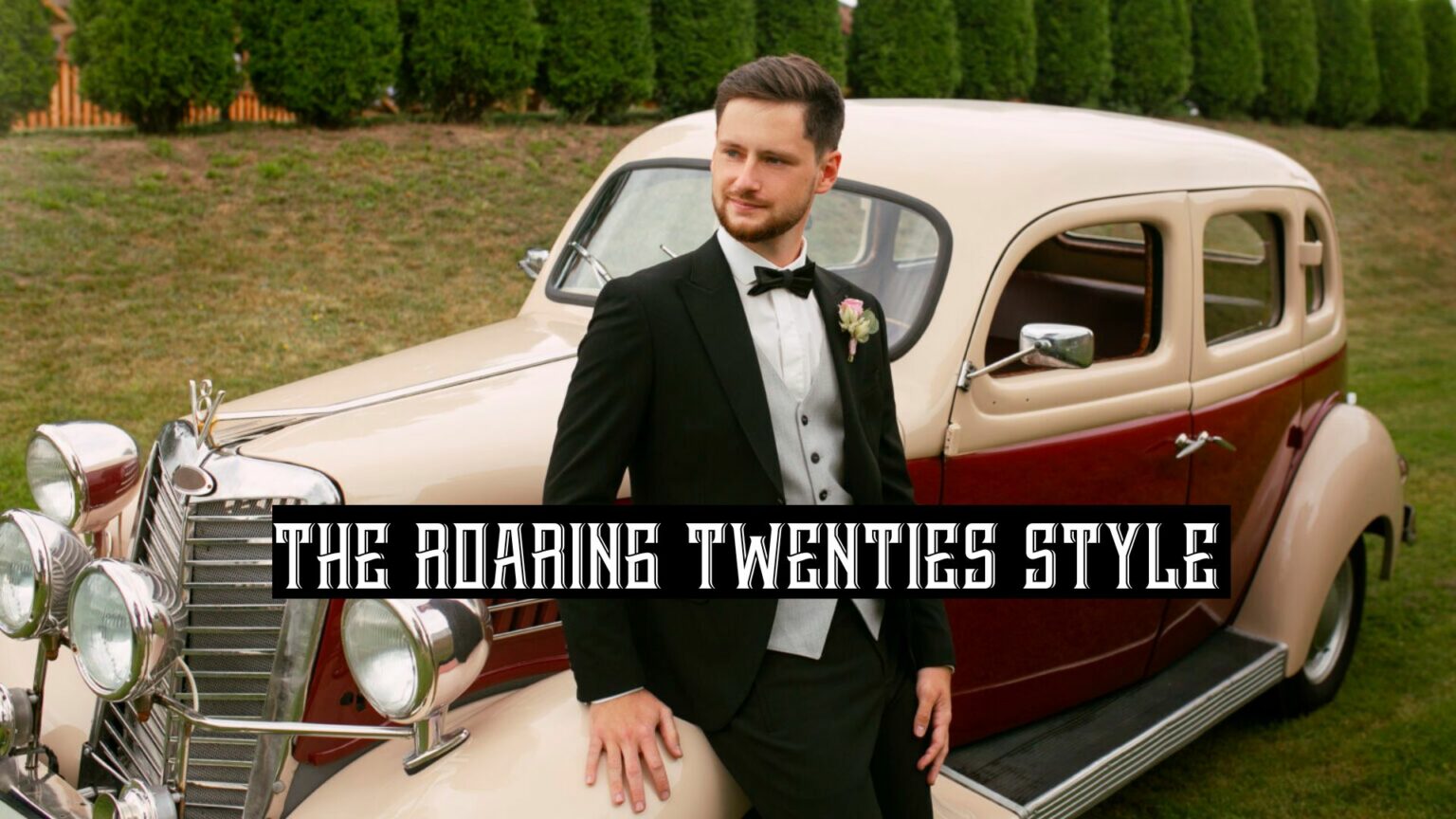
Menswear in the 1920s: When you think of the 1920s, what comes to mind? Jazz, Prohibition, the Charleston—and, of course, fashion! The decade known as the Roaring Twenties, characterized by economic growth, cultural shifts, and social changes, laid the foundation for modern menswear as we know it today.
After the end of World War I, the world entered a time of prosperity and optimism, marked by rapid urbanization, technological advancements, and a new cultural dynamism. The decade saw an explosion of creativity and freedom, impacting not just fashion but also music, art, and everyday life. Let’s dive into what made 1920s men’s fashion iconic, its evolution through the decade, and even debunk some myths about the era.
The Path Is Paved With Jazz and Speakeasies
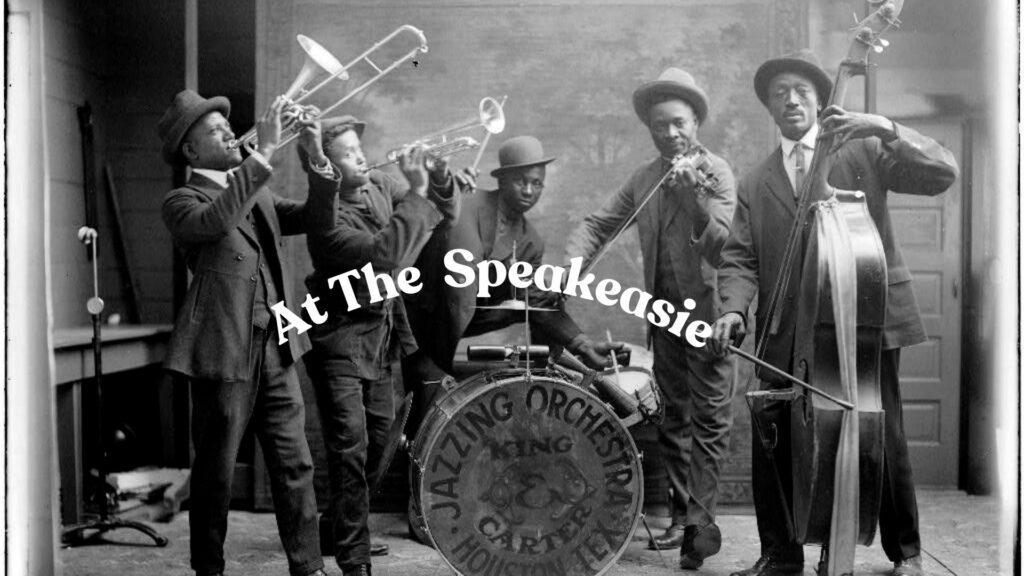
Jazz music became the soundtrack of the period, thanks to inventive artists such as Louis Armstrong and Duke Ellington, who transformed social gatherings into colorful, dynamic events. Speakeasies and nightclubs were cross-class meeting places where people shared dance floors and cultural experiences. This rebirth in culture didn’t just happen in the US; it changed dress and way of life all over the world.
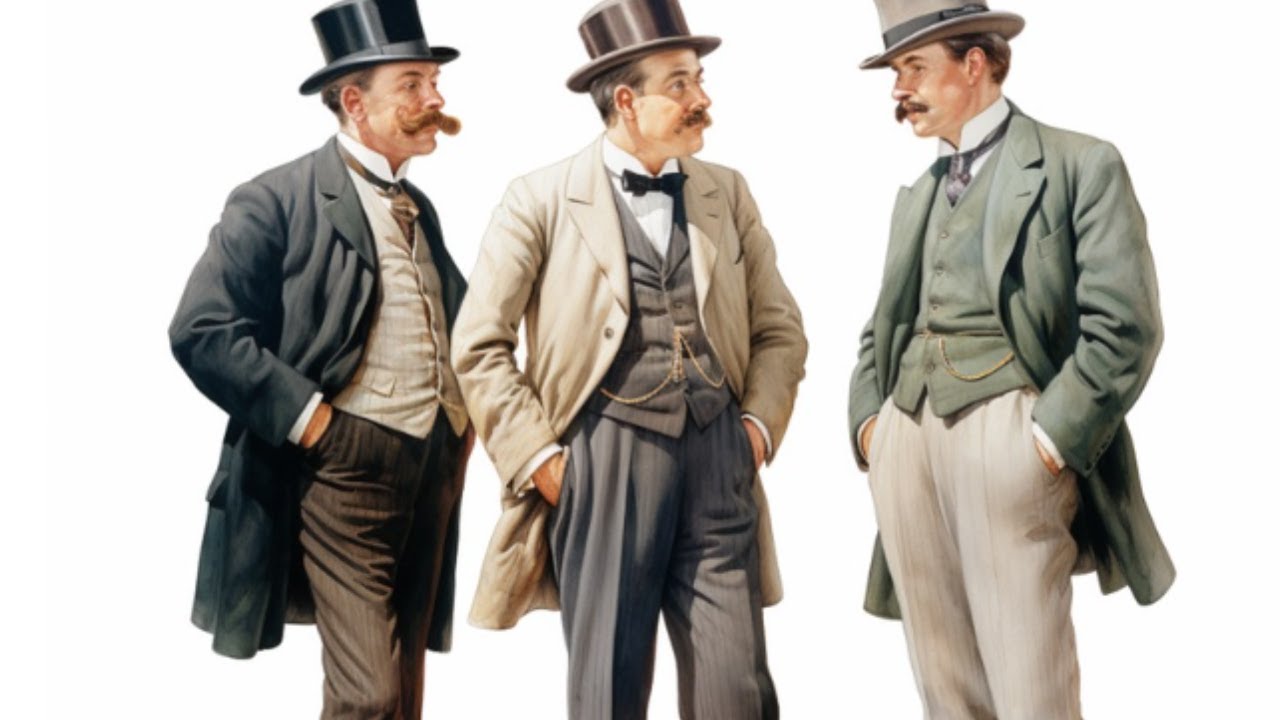
In the 1920s, fashion wasn’t just about clothes; it was also about breaking free from the rules of the past and showing how free you felt. This meant that men had to switch from the stiff, heavily structured clothes of the Edwardian era to outfits that were more casual and stylish. Men were urged to wear a wider range of clothes and try new styles. Sharp clothes with a more casual grace made it possible for more people to follow the fashion trends of the time. Men’s fashion started to take ideas from various groups and countries, showing how the world is becoming closer together.
How 1920s Menswear Shaped Modern Fashion
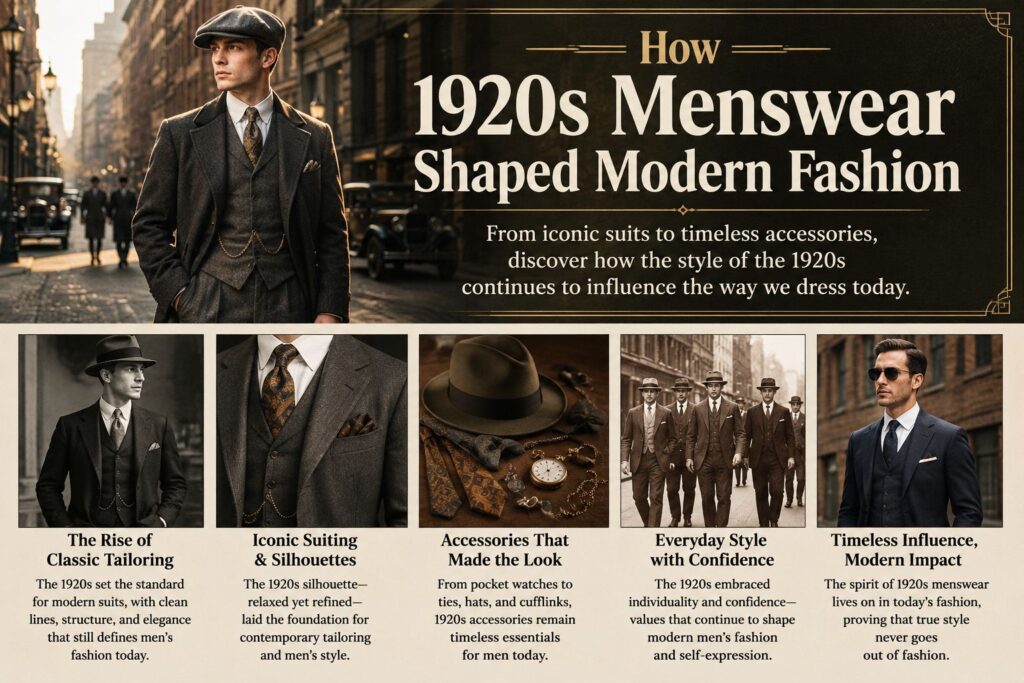
The 1920s transformed men’s fashion by combining timeless style with everyday practicality. Tailored three-piece suits, high-waisted trousers, and clean, structured lines created a confident look that still influences modern menswear. Hollywood stars like Rudolph Valentino and Charlie Chaplin helped popularize these styles, inspiring men everywhere to dress with elegance and character.
Fabrics also evolved during the decade. Wool, tweed, and lightweight linen offered comfort without sacrificing sophistication, while pinstripes, houndstooth, and checks added personality to classic tailoring. Earth tones and lighter colors became fashionable alongside traditional black and gray, giving men more ways to express their individual style.
Accessories completed the look. Fedoras, polished brogues, pocket watches, cufflinks, and ties weren’t simply finishing touches—they reflected confidence, craftsmanship, and attention to detail. Nearly a century later, many of these same elements remain staples of well-dressed men around the world.
Understanding the key features of 1920s menswear helps explain why this remarkable era continues to shape modern fashion and proves that true style never goes out of fashion.
Related Content: What Is The Difference Between Nostalgia And Antique?
Changes in Men's Style During the Roaring Twenties
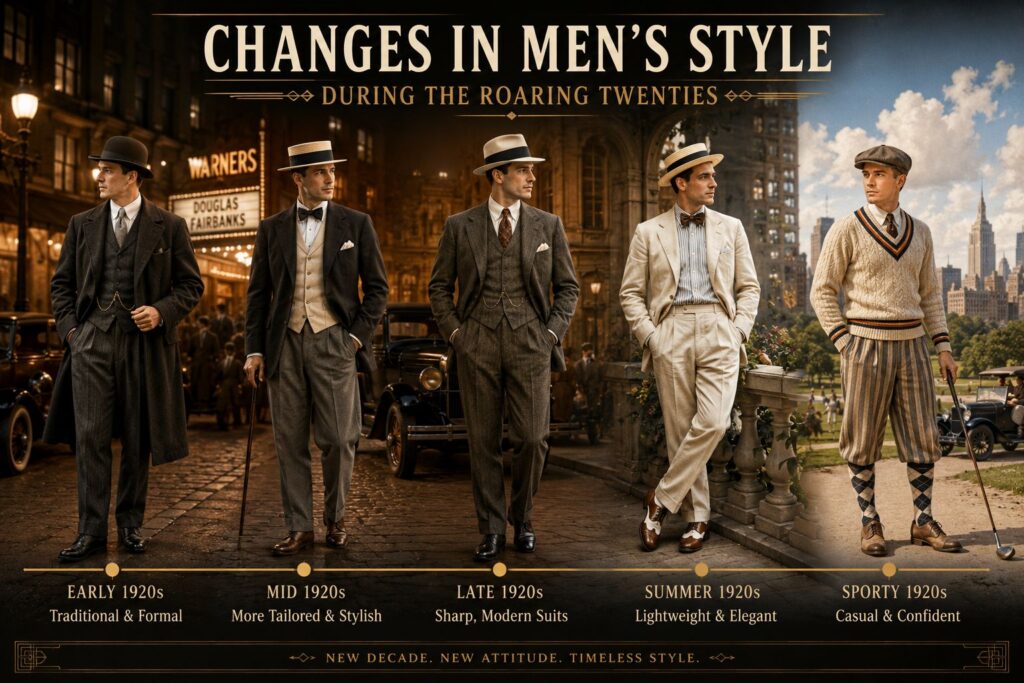
The 1920s transformed men’s fashion as dramatically as they transformed American society. Formal Victorian traditions gave way to clothing that balanced elegance with comfort, reflecting a generation eager to embrace a more modern way of life. Influenced by the changes that followed World War I, men began choosing clothing that offered greater freedom of movement without sacrificing style.
Tailoring became less rigid, with softer fabrics, relaxed silhouettes, and practical designs replacing the heavily structured suits of earlier decades. Advances in manufacturing also made quality clothing more affordable, allowing fashionable styles to reach a wider audience than ever before.
Sportswear played a major role in this evolution. Polo shirts, knit sweaters, plus-fours, and casual jackets blurred the line between work, leisure, and recreation. For the first time, men could build wardrobes that suited both everyday life and special occasions.
Fashion also became more personal. Earth tones, lighter colors, patterned fabrics, and carefully chosen accessories gave men new ways to express confidence and individuality. Style was no longer defined solely by social expectations—it became a reflection of personality.
The lasting influence of the Roaring Twenties can still be seen in today’s tailored suits, classic sportswear, and timeless accessories. Understanding these changes reveals why the decade continues to inspire modern menswear and proves that great style never truly goes out of fashion.
More interesting content: 1920s Women’s Wear: From Flapper to Fabulous
Busting Myths: Uncovering Hidden Facts About 1920s Style
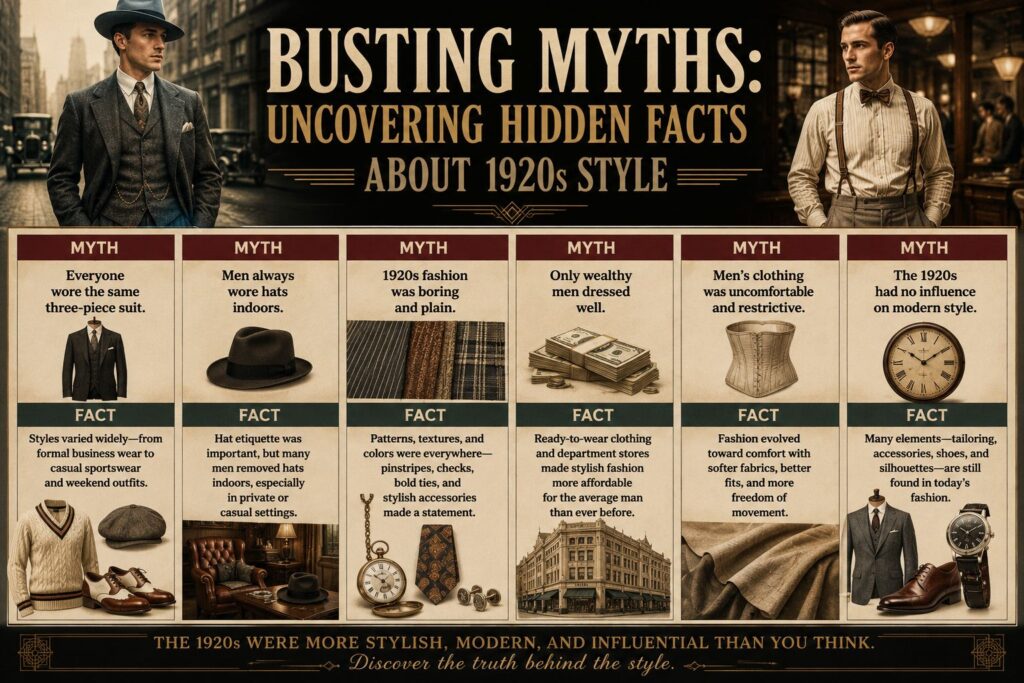
The 1920s prove that clothing often reflects the spirit of an era. While Hollywood has shaped much of what people imagine about the Roaring Twenties, many of those images are more fiction than fact. One of the biggest myths is that every man dressed like a gangster in a pinstriped suit with a Tommy gun. In reality, most men wore practical, well-tailored clothing suited to work, family life, and everyday occasions.
Another common misconception is that men’s fashion was as extravagant as women’s flapper styles. Although flapper dresses became cultural icons, most men’s wardrobes favored clean lines, quality tailoring, and understated elegance. Rather than flashy colors, earth tones, navy, gray, and brown dominated everyday fashion.
Color is another area often misunderstood. Because many surviving photographs and films are black and white, people assume the decade lacked color. In truth, manufacturers produced clothing in rich blues, warm browns, greens, tans, burgundy, and other tasteful shades that added personality without sacrificing sophistication.
Fabrics also offered more variety than many realize. Wool remained a staple for cooler weather, while linen and lighter-weight cotton became popular during warmer months, giving men greater comfort without sacrificing style.
Accessories weren’t nearly as universal as movies suggest. Fedoras, suspenders, and pocket watches certainly existed, but they weren’t worn by everyone every day. By the late 1920s, wristwatches had become increasingly common, while pocket watches gradually shifted from everyday necessities to traditional accessories.
Understanding these myths reveals why 1920s menswear continues to inspire modern fashion. Its emphasis on quality tailoring, versatility, and timeless design demonstrates that great style isn’t about excess—it’s about confidence, craftsmanship, and lasting appeal.
Looking Back… Looking Ahead
The 1920s transformed men’s fashion in ways that continue to influence modern style. Tailored suits, quality fabrics, timeless accessories, and practical craftsmanship created a look that remains just as impressive today as it was a century ago.
Whether you’re recreating an authentic Roaring Twenties wardrobe, decorating with vintage inspiration, or simply exploring the history behind classic American fashion, the style of the 1920s proves that true craftsmanship never goes out of fashion.
At Nostalgia Nook Antiques, we believe every vintage piece tells a story. From pocket watches and fedoras to flapper fashion, antique clocks, gramophones, and classic Americana, we’re preserving the people, craftsmanship, and memories that shaped generations.
Ready to continue the journey?
Continue Your Journey Through Vintage Style
If you enjoyed discovering how 1920s menswear shaped modern fashion, there’s much more to explore. From timeless pocket watches and handcrafted fedoras to vintage-inspired accessories and classic Americana, every piece tells a story about the people who wore it and the era they lived in.
Whether you’re building a vintage wardrobe, researching fashion history, or simply appreciating the craftsmanship of another generation, these guides will help you continue your journey through timeless American style.
Essential Wardrobe Staples: Suits, Hats, and Watches: Discover how these elegant timepieces became symbols of craftsmanship, punctuality, and personal style during America’s Golden Age.
Women’s Flapper Fashion: Style That Defined the Roaring Twenties: Step into the glamour of the Jazz Age and explore the dresses, accessories, and timeless elegance that made the 1920s unforgettable.
Women’s Patriotic Fashion: Vintage Americana Style: Celebrate classic Americana through timeless dresses, accessories, and vintage-inspired styles that never go out of fashion.
- The Clocks That Ticked Through American History: Explore the remarkable clocks that measured America’s greatest moments and discover the craftsmanship that still inspires collectors today.
Whether you’re searching for the perfect collectible, decorating your home with vintage charm, or looking for a thoughtful gift, we’ve organized everything into easy-to-browse collections.
Explore thousands of nostalgic finds—carefully organized by category, era, and interest.
Browse All Our Vintage Collection ↓