Home » Do Rotary Phones Work in 2026? A Modern Guide
Do Rotary Phones Work in 2026? How to Use Classic Phones in a Modern Home
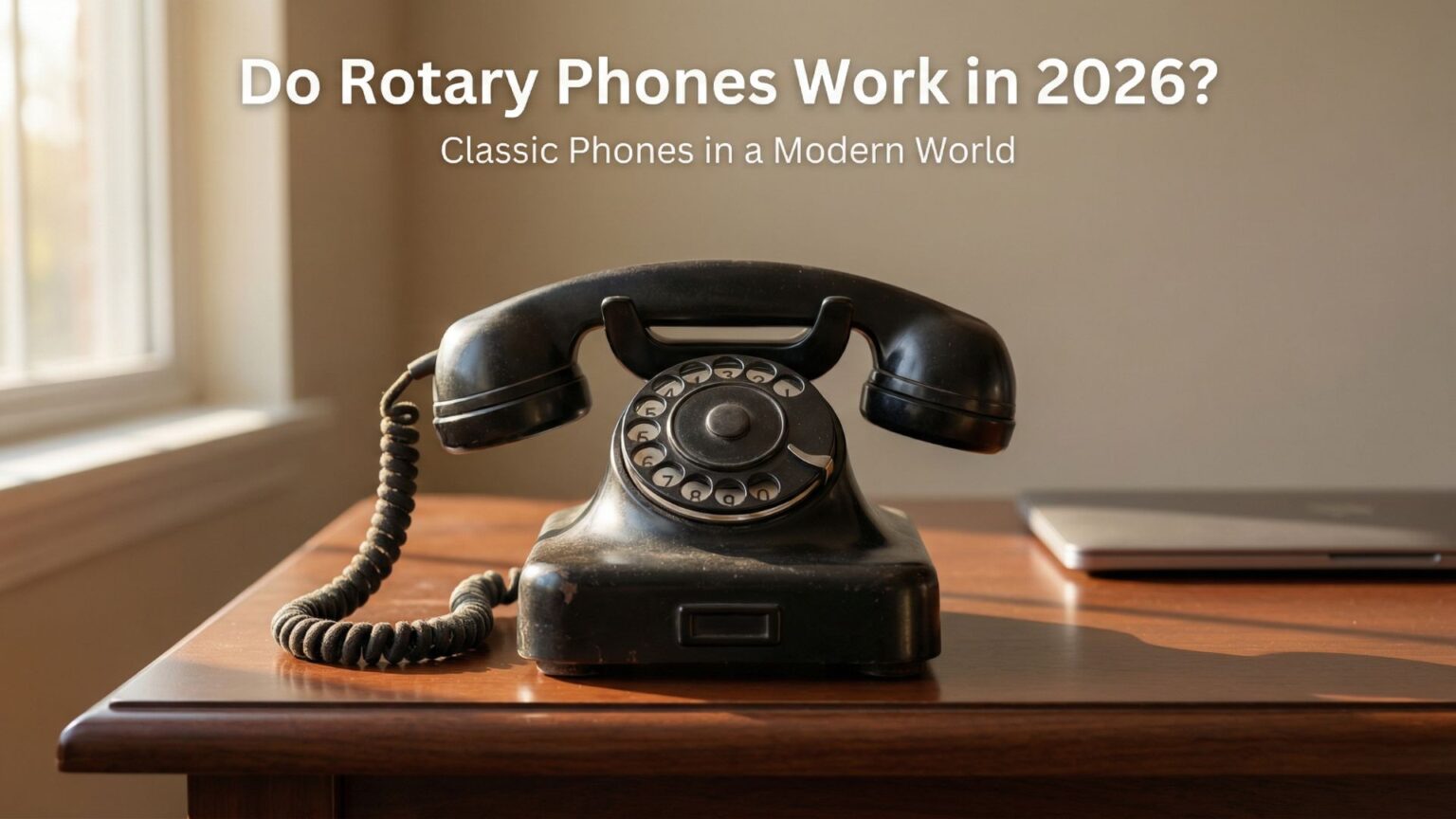
How to Use Classic Phones in a Modern Home
In 2026, rotary phones are no longer everyday household items. However, that doesn’t mean they’re obsolete. In fact, with the right setup, many classic rotary phones can still place and receive calls reliably.
Because modern phone systems have changed, confusion is common. As a result, many people continue to ask the same question: do rotary phones work in 2026?
The short answer is yes, but only when vintage technology is properly connected to today’s digital phone services.
Video: Do Rotary Phones Work in 2026?
This short video explains why rotary phones can still work in 2026—and why many of them ring but won’t dial on modern phone systems. It walks through the missing piece most people overlook and how classic phones can work reliably again with the right setup.
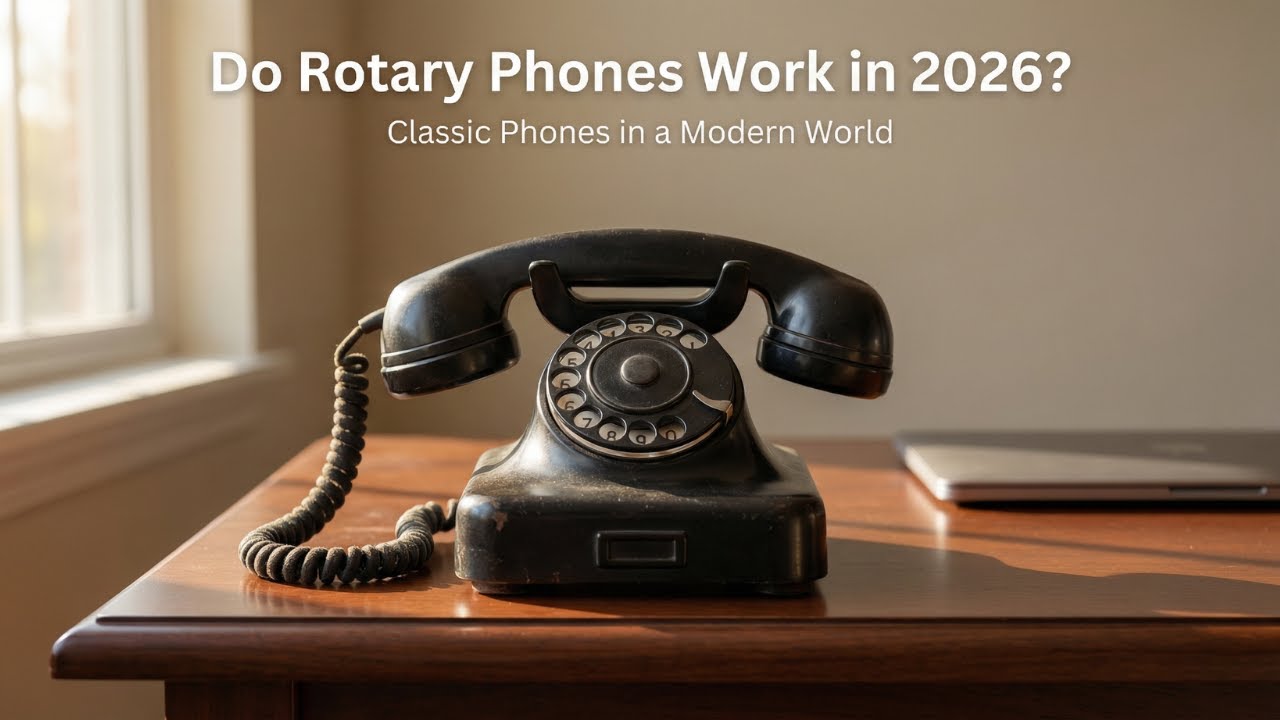
Do Rotary Phones Still Work in 2026?
Yes, rotary phones can still work in 2026. However, they do not work automatically.
Originally, rotary phones were built for copper landlines. At the time, pulse dialing was the industry standard. Over time, though, phone networks evolved. Today, most households rely on digital or internet-based phone services.
Because of this shift, rotary phones often behave unpredictably when plugged in without adapters. For example, some phones will ring but won’t dial. In other cases, dialing works intermittently. That confusion leads many people to believe the phone is broken, when in reality, it simply lacks the proper setup.
What a Rotary Phone Needs to Work in 2026
To function correctly in 2026, a rotary phone requires two essential components.
First, you need an active phone service. This can be a traditional landline, although those are becoming increasingly rare. More commonly, people now use VoIP or other digital phone services.
Second, and just as important, you need the proper adapter or converter. Without it, even a perfectly preserved rotary phone will fail to operate correctly.
In short, hardware matters just as much as the phone itself.
The Essential Device: Analog Telephone Adapter (ATA)
If you’re using a modern phone service, an Analog Telephone Adapter (ATA) is almost always required.
An ATA works by translating analog phone signals into a format that digital phone networks understand. As a result, it restores essential functions such as dial tone, ringing voltage, and call signaling.
Fortunately, ATAs are widely available. For example, Amazon and Walmart both carry reliable models used in homes, offices, and hospitality environments. Because this technology is well established, it’s dependable rather than experimental.
Why Rotary Phones Still Fail to Dial
Even with an ATA installed, problems can still occur. That’s because many modern phone services no longer support pulse dialing.
Rotary phones send dialing information through physical pulses. Meanwhile, modern systems expect tone signals. As a result, the phone may appear functional but fail to place outgoing calls.
This is where many users get stuck, and where one additional device becomes essential.
Pulse-to-Tone Converter: The Missing Link
A pulse-to-tone converter solves the dialing problem directly.
This small inline device converts rotary dial pulses into tone signals that modern systems recognize. In doing so, it allows rotary phones to dial normally without workarounds or dialing tricks.
In 2026, this step is especially important, because pulse dialing support continues to decline. Therefore, anyone planning to use a rotary phone regularly should strongly consider adding a converter.
Ultimately, this device is what separates decorative phones from rotary phones that actually work.
Simple Shopping List for 2026
To avoid guesswork, here’s what a complete setup looks like:
A rotary phone (vintage or reproduction)
An Analog Telephone Adapter (ATA)
A pulse-to-tone converter
An active landline or VoIP phone service
With these components in place, setup is straightforward. No rewiring is required, and no technical background is necessary.
Do All Rotary Phones Work the Same Way?
Not exactly.
Vintage rotary phones were built to last. However, they may require light servicing or cleaning. In contrast, modern reproductions often include updated internal components.
Even so, compatibility varies. For example, some phones will ring but won’t dial without a converter. Others may work perfectly once properly configured.
That’s why understanding the phone’s design and the service you’re using matters before purchasing.
Bring a Rotary Phone Back to Life
If you want a rotary phone that actually works in 2026, the right setup makes all the difference. The adapters and converters below are reliable, widely used, and proven to work with classic phones. Choose one that fits your setup and enjoy real calls—not just nostalgia.
👉 Recommended adapters and converters below
Analog Telephone Adapter (ATA)
This analog telephone adapter allows classic rotary phones to connect to modern VoIP phone service. It provides dial tone, ringing support, and compatibility with today’s digital networks, making it a reliable foundation for rotary phone use in 2026.
Recommended Adapter: Grandstream HT802 (2-FXS Port Analog Telephone Adapter)
Most rotary phones also require a pulse-to-tone converter for dialing.
Pulse-to-Tone Converter
Many modern phone services no longer support pulse dialing. A pulse-to-tone converter translates rotary dial signals into tones that today’s networks recognize, allowing rotary phones to dial normally when used with an analog telephone adapter.
Where to Find a Pulse-to-Tone Converter
Pulse-to-tone converters are typically sold through specialty vintage phone suppliers, telephone restoration shops, and electronics hobbyist vendors, rather than mainstream retailers. They are often available as small inline devices or internal modules designed specifically for rotary phones.
When searching, use terms such as:
“rotary phone pulse to tone converter”
“pulse to DTMF converter for rotary phone”
“rotary dial pulse converter module”
Installation varies by model. Some converters install inline between the phone and adapter, while others are installed inside the phone itself.
Decorative vs. Functional Rotary Phones
In 2026, many rotary phones are sold purely as décor. As a result, buyers often assume functionality that isn’t actually present.
A truly functional rotary phone should:
Ring clearly
Dial out consistently
Receive calls reliably
Work daily, not occasionally
When configured correctly, rotary phones move beyond nostalgia. Instead, they become usable artifacts that still serve a purpose.
A Quick Buyer Tip
Whenever a seller claims a rotary phone “works,” ask one follow-up question:
Does it include an adapter or a pulse-to-tone converter?
If not, the phone may still function, but only after you supply the missing components yourself.
Final Thoughts: Do Rotary Phones Work in 2026?
Yes, rotary phones can absolutely work in 2026. However, they require intention.
They work because:
The phone is mechanically sound
The proper adapter bridges old and new technology
The setup respects how modern phone networks operate
When everything comes together, rotary phones become more than nostalgic objects. Instead, they become living connections to the past that still earn their place in the present.
Extra Point: Explore Rotary Phones That Still Matter
Rotary phones weren’t all created equal. While many were built for utility, others were designed to make a statement. In our Shop Media collection, we focus on standout rotary phones—pieces that combine craftsmanship, design, and presence.
From timeless candlestick rotary phones and hand-crank wall models to retro 1950s payphones, glamorous vintage-style Princess phones, and classic European antique designs, these are phones chosen for their character—not convenience alone.
👉 Explore Our Curated Collection of Vintage & Rotary Phones
After all, when it comes to classic technology, the right piece isn’t just about making a call—it’s about owning a piece of history.
Bonus: More Ways to Unlock Vintage Style

If rotary phones brought back memories, you’re not alone. Vintage media and classic communication pieces have a way of reconnecting us to simpler, more intentional moments. Explore our other guides to see how nostalgia continues to shape modern living.
Rotary Phones That Actually Work – Bring back vintage charm with a rotary phone that works. See our top 3 picks: Candlestick, 1950s Payphone & Princess phone
Before Spotify: Why Tabletop Radios Still Spark Memory— Before Spotify, tabletop radios brought families together with warm crackle, glowing dials, and powerful nostalgia that still lives on today.
5 Helpful Tips for Keeping Your Grandfather Clock In Top Condition— 5 helpful tips to keep your grandfather clock in top condition—preserve accuracy, beauty, and charm with expert maintenance insights.
Using Vintage Design With A Nostalgic Feel – Using vintage design provides nostalgic places. Blend old and modern, display collections, and invest in timeless decor.

Tradition, Treasures & Timeless Stories—Delivered Weekly
Every antique tells a story, and every tradition carries a memory. Our newsletter brings you closer to both, with inspiration, guides, and finds that make nostalgia part of your everyday life. Subscribe today and let the past brighten your future.