How Radio Shaped Romantic Relationships—and What We Lost Along the Way
When Romance Didn’t Need Wi-Fi
Long before apps, algorithms, or endless playlists, romance lived in the airwaves—how radio shaped romantic relationships through shared listening, patience, and imagination is a story worth remembering. There was a time when romance didn’t vibrate in your pocket or interrupt dinner with notifications. Instead, it arrived slowly, politely, and with static. Back then, radio was the most romantic technology we had, and frankly, it didn’t need updates.
Before streaming ruled our evenings, people gathered around glowing dials like moths to a porch light. Voices floated through the room, and suddenly, silence felt shared rather than awkward. Even more interesting, nobody asked to skip ahead.
Meanwhile, anticipation did the heavy lifting. Listeners waited for love songs, dramas, and late-night voices like they were personal invitations. As a result, romance wasn’t rushed. It was scheduled.
Today, technology promises connection but delivers distraction. However, radio once did the opposite. It asked for patience, rewarded imagination, and somehow made people lean closer—physically and emotionally.
Believe it or not, that’s a pretty romantic setup.
Before we go deeper, take a moment to experience how radio once shaped romance and connection.
How Radio Shaped Romantic Relationships
Radio didn’t just entertain couples—it trained them. While modern tech encourages constant input, radio encouraged attention. Because there was nothing to see, listeners filled in the blanks together.
At the same time, voices felt personal. Announcers spoke as if they knew you, even though they absolutely didn’t. Still, the illusion worked. Consequently, couples formed rituals around certain shows, songs, and hours of the evening.
Instead of scrolling separately, people listened together. As a result, shared experiences actually meant shared experiences. Revolutionary concept, right?
Radio also slowed things down. Since you couldn’t pause or rewind, moments mattered. Therefore, if you missed something, you talked about it. Imagine that—conversation caused by technology.
In short, radio shaped romantic relationships by making presence the point. No filters. No profiles. Just sound, silence, and someone sitting close enough to hear both.
Why - How Radios Shaped Romantic Relationships Still Matters Today
You might think radio’s romantic power disappeared with smartphones. Surprisingly, it didn’t. Instead, it went underground, quietly influencing how people crave connection today.
Even now, audio feels intimate. Podcasts, audiobooks, and voice notes work because voices still feel close. However, none of them carry the same shared timing radio once demanded.
Back then, everyone heard the same thing at the same moment. Meanwhile, modern romance happens on demand, which sounds convenient but removes anticipation. Convenience, after all, isn’t sexy—it’s efficient.
Interestingly, vintage radios still trigger emotional reactions. Warm wood cabinets, glowing dials, and analog sound signal care and craftsmanship. Consequently, they feel human in a world obsessed with speed.
So yes, the impact of radio on romance today lives on—not as a format, but as a reminder. People still want to feel something together. They’re just not always sure how.
Questions & Answers: How Radio Shaped Romantic Relationships
Even though technology keeps changing, people keep asking the same questions about love, connection, and meaning. Therefore, this section tackles some of the most common inquiries tied to How Radio Shaped Romantic Relationships, while also connecting timeless relationship wisdom to the golden age of radio. Along the way, these answers reveal why older forms of connection still resonate today.
What are the four stages of a romantic relationship?
Generally speaking, most romantic relationships move through four recognizable stages. First comes attraction, where curiosity and chemistry spark interest. Next, building trust takes over as communication deepens and emotional bonds begin to form.
After that, commitment emerges. During this stage, couples decide whether to move forward together or step away. Finally, long-term connection develops, where shared routines, mutual support, and deeper understanding define the relationship.
Interestingly, when we look back at how radios shaped romantic relationships, these stages often unfolded more slowly. Because radio encouraged listening and patience, couples spent more time in each phase, which often strengthened emotional foundations.
How does music affect romantic relationships?
Music influences romantic relationships more than people realize. For instance, melodies can trigger memories, heighten emotions, and even lower emotional defenses. As a result, couples often associate specific songs with moments of closeness or turning points.
During the radio era, music arrived as a shared experience. Consequently, couples listened together, reacted together, and remembered together. Unlike today’s personalized playlists, radio created emotional synchronization.
So, music did more than create the atmosphere; it strengthened bonding. That shared emotional rhythm explains why radio-era love stories still feel so powerful and personal decades later.
What is considered the saddest song of all time?
Although sadness is deeply personal, several songs are repeatedly named as the saddest of all time because of their emotional weight and historical impact. Most notably, “Gloomy Sunday,” originally composed by Hungarian pianist and composer Rezső Seress, is often cited at the top of that list. Its haunting melody and somber tone earned it the nickname “The Hungarian Suicide Song,” making it one of the most emotionally heavy pieces ever heard over the radio.
Meanwhile, “Strange Fruit,” made famous by jazz legend Billie Holiday, stands as one of the most devastating songs ever broadcast. While its sadness comes from historical tragedy rather than romance, its restrained delivery and powerful message stunned radio audiences and left lasting emotional impressions. As a result, it remains one of the most important—and painful—songs in American music history.
In addition, “I’ll Be Seeing You,” popularized by artists such as Bing Crosby during the wartime years, captured quiet heartbreak in a different way. Because couples were often separated by distance and uncertainty, the song expressed longing, hope, and fragile optimism all at once. Consequently, it became deeply tied to memories of love, absence, and reunion.
When we look at how radio shaped romantic relationships, these songs mattered because listeners could not skip them. Instead, people experienced the emotion together. So, instead of avoiding grief, people shared it. And in many cases, sharing that sadness brought couples closer rather than pulling them apart.
What is the most significant warning sign during a first date?
One major warning sign during a first date is a lack of genuine listening. When someone talks without engaging, interrupts frequently, or shows disinterest, it often signals deeper communication issues.
Interestingly, radio culture rewarded listening. Therefore, people raised on radio tended to value attention and patience. Conversations mattered because distractions were limited.
So, when comparing modern dating to how radios shaped romantic relationships, the lesson is clear: attentiveness builds trust, while distraction quietly erodes it.
What were some of the best radio shows from the golden age of radio?
The golden age of radio featured programs that blended storytelling, humor, suspense, and music. Popular shows included dramatic serials, family comedies, and suspense-filled broadcasts that kept listeners emotionally invested week after week.
Because these programs aired at specific times, couples often planned evenings around them. Consequently, radio shows became shared rituals rather than background noise.
That sense of anticipation and togetherness is exactly why golden-age radio played such a meaningful role in shaping emotional bonds—and why its influence still echoes today.
Best Golden Age Radio Shows
During the golden age of radio, shows weren’t background noise. Instead, they were events. Because broadcasts aired at specific times, couples and families planned evenings around them. As a result, radio programs became shared rituals that quietly strengthened emotional bonds.
For suspense lovers, The Shadow stood out immediately. With its ominous opening narration and dramatic pacing, the show pulled listeners into a shared imaginative space. So, when the episodes played out in the dark, couples often found themselves leaning in closer and listening more carefully.
Also, radio shows like Suspense relied entirely on sound, silence, and timing. Because there were no visuals to guide the story, listeners filled in the gaps together. This resulted in an intimate, personal, and captivating encounter.
Meanwhile, comedy brought warmth and familiarity into living rooms across the country. Fibber McGee and Molly delivered humor that felt comforting rather than flashy. So, when families and couples gathered around the radio, laughing became yet another common language.
On the dramatic and romantic side, prestige programming flourished. The Lux Radio Theatre transformed Hollywood films into weekly listening experiences. In many homes, radio night quietly became date night, complete with familiar voices and well-loved stories.
When we consider how radios shaped romantic relationships, these shows mattered because they created emotional consistency. So, love didn’t happen between the distractions. Instead, it unfolded between episodes, shared silences, and familiar voices returning week after week.
How to Listen Today
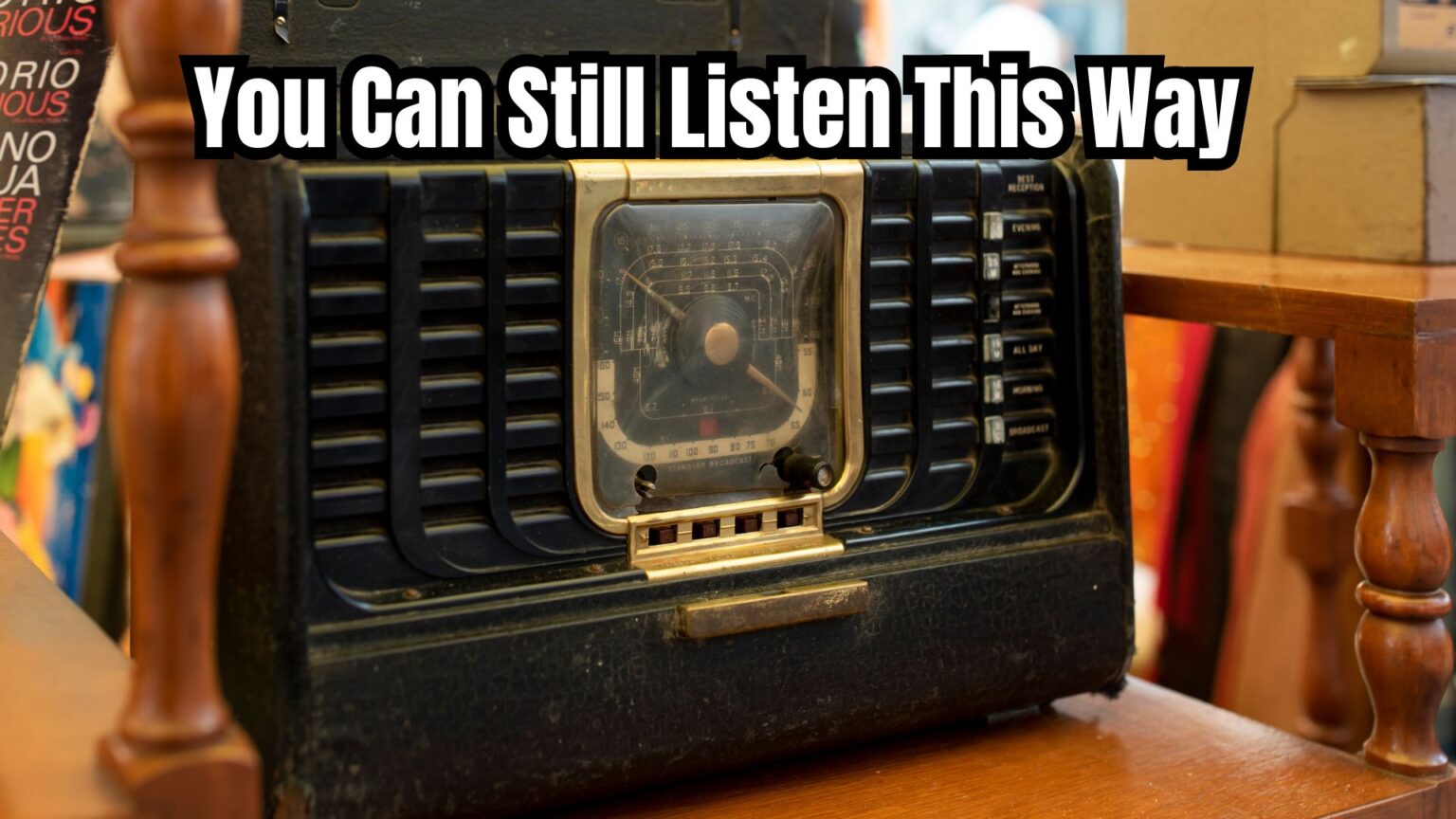
Many of these golden age radio programs have been preserved and are freely available through the Internet Archive. Rather than linking to individual episodes that may change or disappear, the most reliable way to explore these shows is through the Archive’s main audio library.
How to listen:
Visit the Internet Archive’s audio section:
👉 https://archive.org/details/audioUse the search bar to enter the show title (for example: The Shadow or Suspense).
Choose an episode and press play — no account required.
This approach keeps the experience simple, stable, and authentic, while allowing listeners to explore at their own pace.
Conclusion: Love Used to Travel Through the Air
When radio was the most romantic technology we had, love didn’t need instructions. It floated into rooms, filled quiet spaces, and gave people reasons to sit close.
Today, romance is optimized, quantified, and occasionally scheduled between meetings. Yet something essential got lost along the way.
Radio taught people how to wait, listen, and imagine together. Because of that, it didn’t just entertain—it connected.
Maybe the future of romance isn’t about smarter tech. Maybe it’s about remembering what already worked.
After all, love doesn’t need a screen.
Sometimes, it just needs a voice and a little static.
Extra Thoughts: Romance Once Lived in the Moment
There was a time when romance didn’t arrive wrapped in notifications or algorithms. Instead, it drifted into the room through a glowing dial, a familiar voice, and the simple act of listening together.
Today, recreating that feeling doesn’t require turning back the clock completely. Sometimes, it starts with slowing down and choosing technology that invites presence rather than distraction.
👉 Explore vintage-style tabletop radios designed to recreate the warmth and character of classic listening
Visit our shop media page.
After all, when radio once shaped romantic relationships, it wasn’t about perfection or convenience. It was about sharing a moment. And sometimes, bringing that sound back home is the most romantic choice of all.
Bonus: More Ways to Unlock Vintage Style

If you enjoyed exploring how radio once shaped romantic relationships, there’s even more to discover about the objects that carried meaning into everyday life. From vintage radios and tabletop timepieces to nostalgic décor that tells a story, these pieces add character, conversation, and a quiet sense of warmth to the home. Take a moment to explore our other guides and discover how history, sound, and shared moments can still bring timeless personality into your space.
Before Spotify: Why Tabletop Radios Still Spark Memory – Long before streaming platforms existed, tabletop radios sparked memories that modern technology struggles to recreate—because listening once required patience, presence, and shared attention.
Love in the Past: Vintage Love Letters or Romantic Antiques? — In many homes, affection lived in objects as much as moments, which is why vintage love letters and romantic antiques still feel deeply personal today.
Vintage Jukebox History: America’s Original Social Playlist—A practical guide for breathing life into vintage treasures.
Romantic Gifts for Women She’ll Love Forever – Certain romantic gestures endure, whether they arrive through music, handwritten words, or romantic gifts that feel thoughtful rather than trendy.

Tradition, Treasures & Timeless Stories—Delivered Weekly
Every antique tells a story, and every tradition carries a memory. Our newsletter brings you closer to both, with inspiration, guides, and finds that make nostalgia part of your everyday life. Subscribe today and let the past brighten your future.