Home » Maintenance & Restoration » When to Start: Restoring Your First Antique Without Ruining It
When to Start: Restoring Your First Antique Without Ruining It
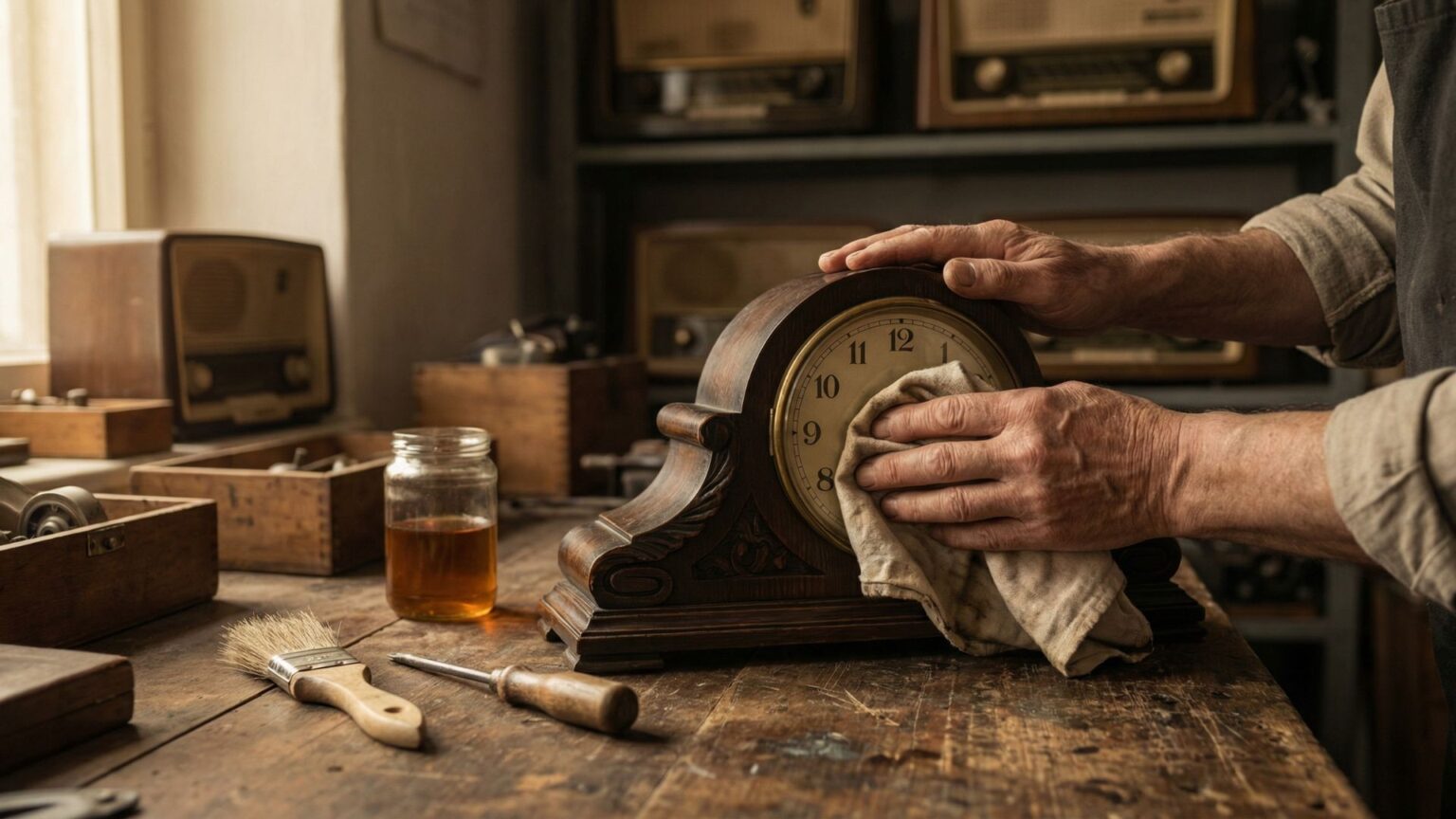
Restoring your first antique feels powerful. At the same time, it feels risky. One bad decision, one rushed move, and suddenly history is gone forever. Therefore, understanding when to start matters more than how to restore or what tools to buy.
Fortunately, beginners don’t need special training, massive workshops, or loud experts barking orders. Instead, they need timing, restraint, and common sense. In other words, restoration is less about action and more about judgment.
So today, let’s talk about when to start, when to pause, and why patience always beats enthusiasm.
Step One: Beginning Before You Touch Anything
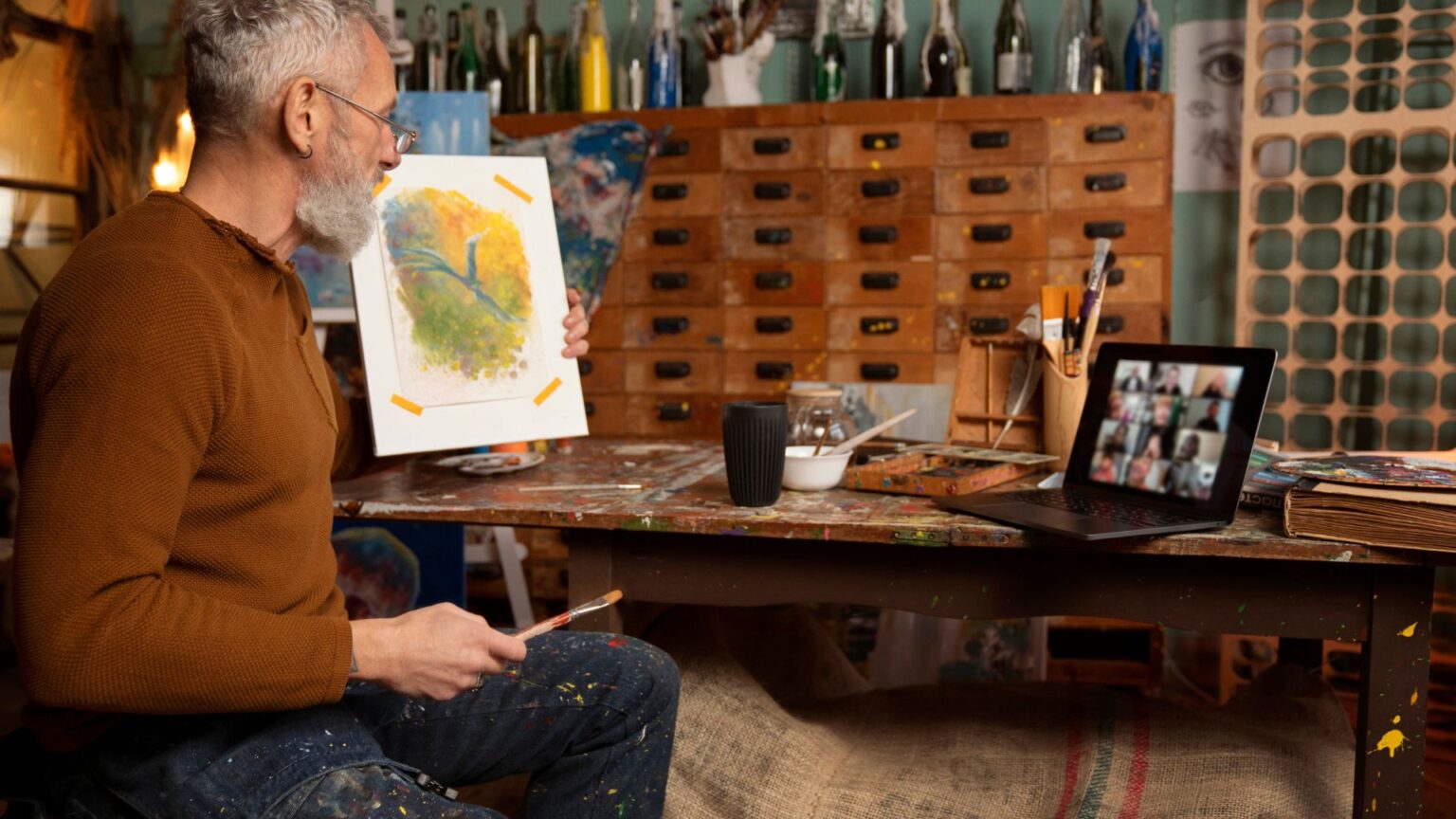
Before cleaning, tightening, or fixing anything, stop. Seriously. This moment determines whether an antique survives or suffers.
First, ask the most important question:
Should this antique be restored right now at all?
Surprisingly, many antiques should not be restored immediately—something beginner-friendly antique restoration guides often emphasize. In fact, auction houses and collector case studies consistently show that over-restored antiques can lose 30–50% of their value. That’s not theory—that’s experience.
Start restoration only when:
Structural damage threatens the piece
The function is failing (clock won’t run, drawer sticks)
Active dirt or corrosion is causing harm
Delay restoration when:
Original finishes remain intact
Wear reflects honest use
Function still exists
So, learning how to time things becomes the first skill to learn.
Start restoration when damage progresses—not when impatience does.
When to Start Cleaning (Before Fixing)
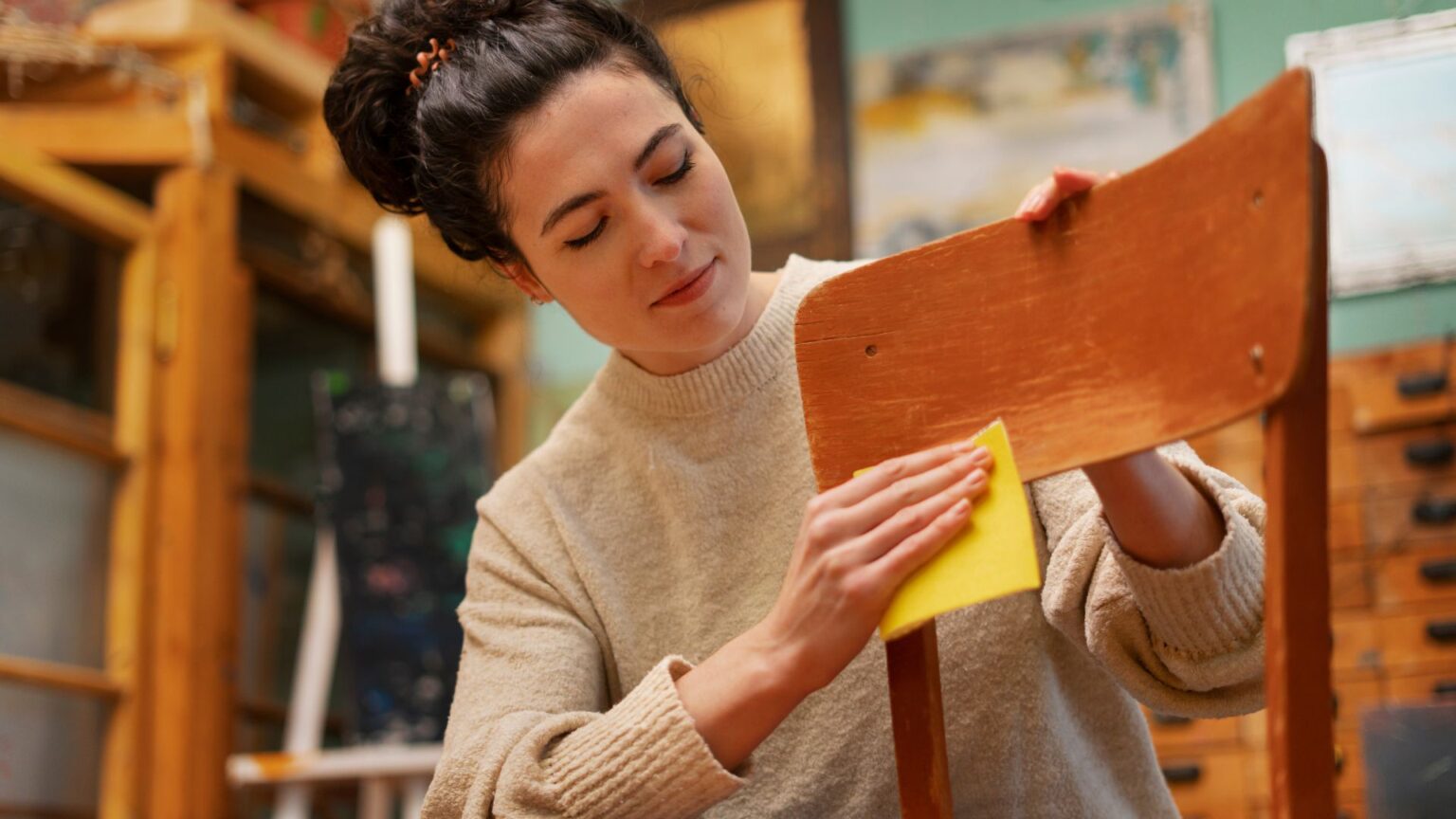
Now here’s the turning point.
Cleaning often comes before restoration—and sometimes replaces it entirely.
According to museum conservation data, up to 70% of perceived damage improves after gentle cleaning alone. That means timing your cleaning properly prevents unnecessary repairs.
Start cleaning when:
Dirt obscures surfaces
Residue accelerates deterioration
Grime hides original finishes
Delay cleaning when:
Finishes feel unstable
Flaking or cracking appears
Water exposure risks damage
Start small. Test discreetly. Progress slowly.
Often, the antique tells you when it’s ready.
When to Start Using Tools (And When Not To)
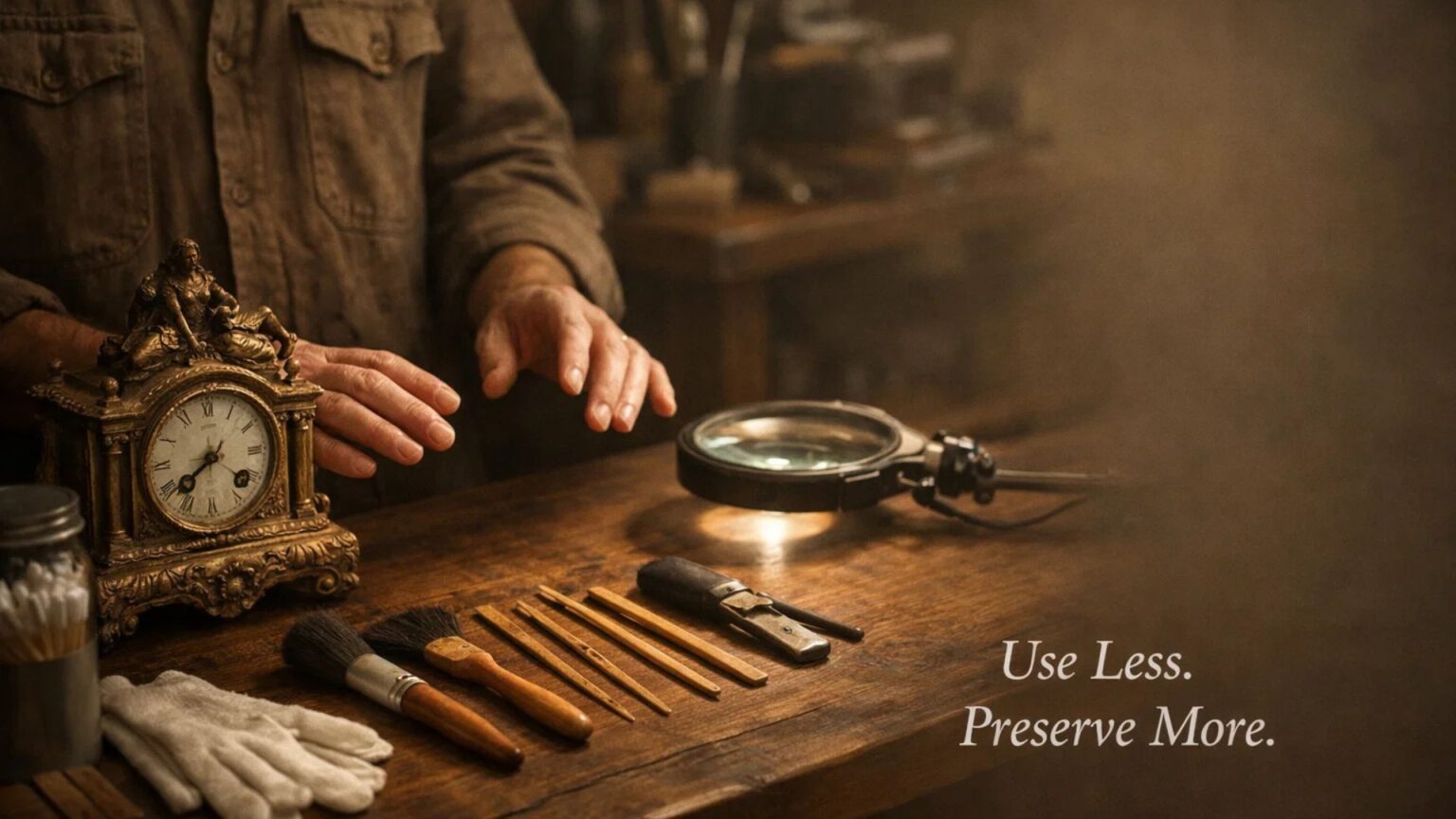
Here’s good news—you don’t need many tools early on. For beginners, gentle tools like soft microfiber cloths for antique care often make the biggest difference without risking damage.
In fact, beginners succeed by delaying heavy tools. Control always beats force.
Tools safe to use early:
Soft cloths
Small brushes
Wooden toothpicks
When moisture is necessary, antique-safe wood cleaners are designed to work with older finishes rather than against them.
Strong lighting
Tools to delay:
Power sanders
Chemical strippers
Steel wool
Abrasives
If a tool removes material, it removes history. Therefore, timing determines whether tools help or harm.
When to Stop Is Just as Important as When to Start
Ironically, stopping is the hardest skill.
Once improvement appears, pause. Over-cleaning quietly ruins more antiques than neglect ever did. Moreover, perfection is not the goal—preservation is.
A successful first restoration:
Stabilizes the piece
Improves function
Preserves original character
Leaves room for future care
When something looks better, stop. That’s usually the right time.
Beginner Mistakes Caused by Starting Too Soon
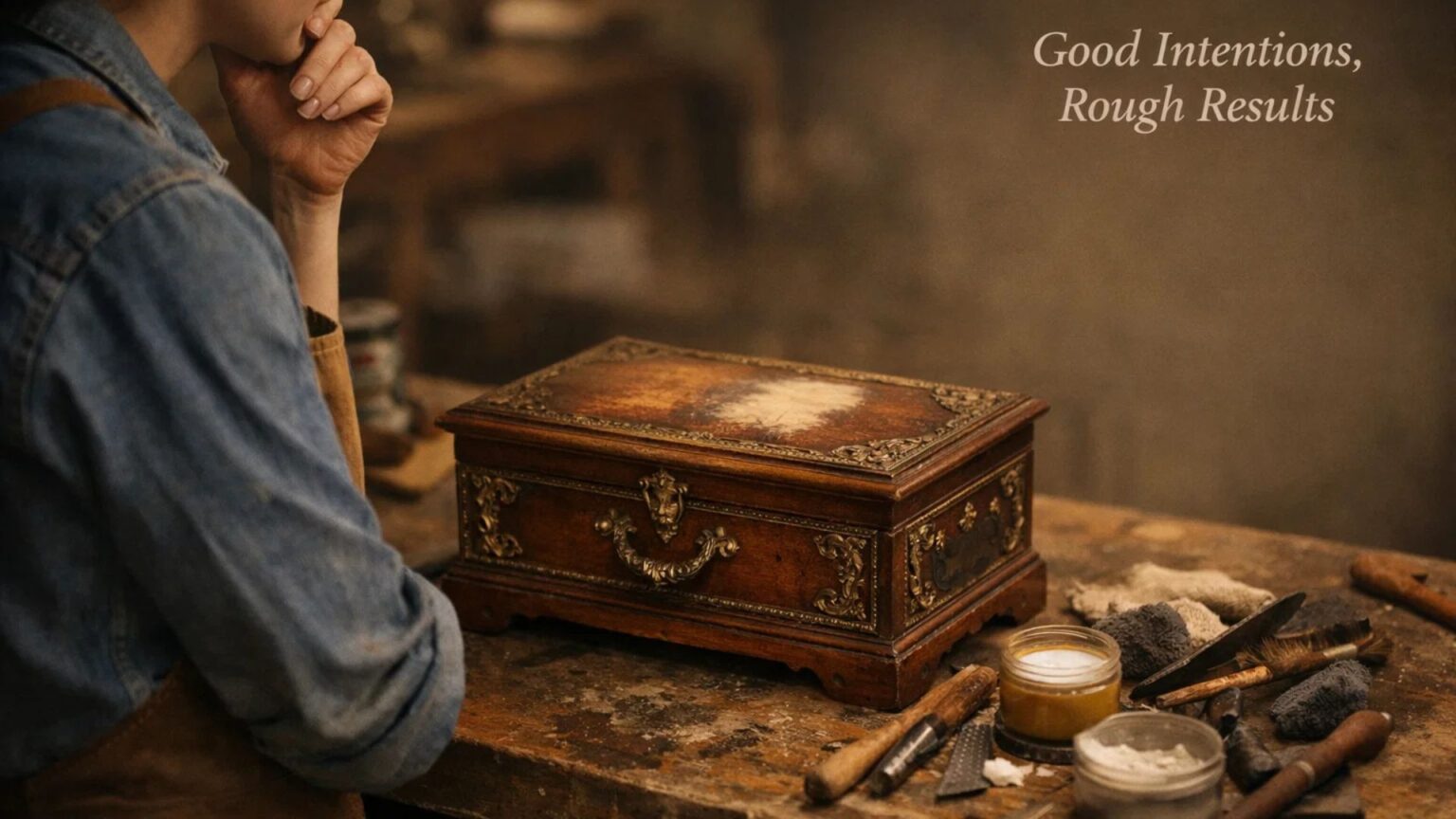
Let’s be honest—mistakes happen. However, most beginner mistakes share one root cause: starting before the antique is ready.
Common errors:
Sanding before understanding finishes
Using modern cleaners too early
Chasing a “new” appearance
Fixing cosmetics before structure
Skipping research
Every one of these mistakes begins with bad timing. Therefore, restraint becomes the real skill.
Something To Think About: Restoration Is About Timing and Respect
Restoration isn’t about action. Instead, it’s about judgment.
You’re not fixing an object—you’re deciding when to intervene and when to step back. That balance defines good restoration.
Start when damage advances. Pause when history speaks.
Know when to start, and you’ll never ruin what you’re trying to save.
When To Start: Questions Beginners Always Ask
Even after reading a full guide, questions linger. That’s completely normal. In fact, asking the right questions is often the clearest sign you’re learning when to start—and when to wait.
Because antiques don’t come with instruction manuals, beginners tend to face the same crossroads again and again. Therefore, this Q&A section tackles the most common concerns surrounding When to Start: Restoring Your First Antique Without Ruining It, using real-world logic instead of risky guesswork.
Should I replace old fabric or original parts?
Short answer: not right away.
In most cases, original fabric and parts—even when worn—carry historical and monetary value. Therefore, replacing them too soon can unintentionally erase authenticity.
However, replacement makes sense when:
Fabric is actively tearing or shedding
Parts prevent safe use
Deterioration threatens surrounding materials
On the other hand, if the fabric is simply faded or parts show honest wear, waiting is usually the smarter move. As a result, learning when to start replacing becomes just as important as knowing how.
How do I remove water rings safely?
First, slow down. Water rings often look worse than they are.
Before attempting removal, determine whether the finish is wax, shellac, or varnish. Consequently, aggressive methods should always be delayed until identification is clear.
Start gently:
Try a dry cloth first
Use minimal moisture
Test in an unseen area
If the ring remains but the finish feels fragile, stop. In that case, the best decision is waiting—because knowing when to start also means knowing when not to.
When should a beginner not restore an antique?
Beginners should delay restoration when:
Original finishes are intact
Patina is stable
Function still exists
Historical value outweighs cosmetic flaws
In other words, if the antique isn’t getting worse, starting restoration may do more harm than good. Therefore, patience becomes a skill—not a delay.
Will restoration decrease the value of my antique?
Yes—sometimes significantly.
According to collector and auction data, over-restored antiques can lose 30–50% of their value. That happens when original materials are removed too early or finishes are modernized.
However, thoughtful restoration can preserve value when:
Damage is actively spreading
Structural integrity is failing
Function is completely lost
So again, the key isn’t restoration—it’s when to start restoration.
What kind of piece is best for a first restoration project?
Simple, sturdy, and forgiving pieces win every time.
Great beginner choices include:
Small wooden furniture
Non-working decorative clocks
Radios meant for display
Items without rare finishes
Avoid rare, high-value, or sentimental heirlooms early on. Instead, start where mistakes teach lessons—not regrets.
Extra Tip: Discover When to Restore and When to Hold Off
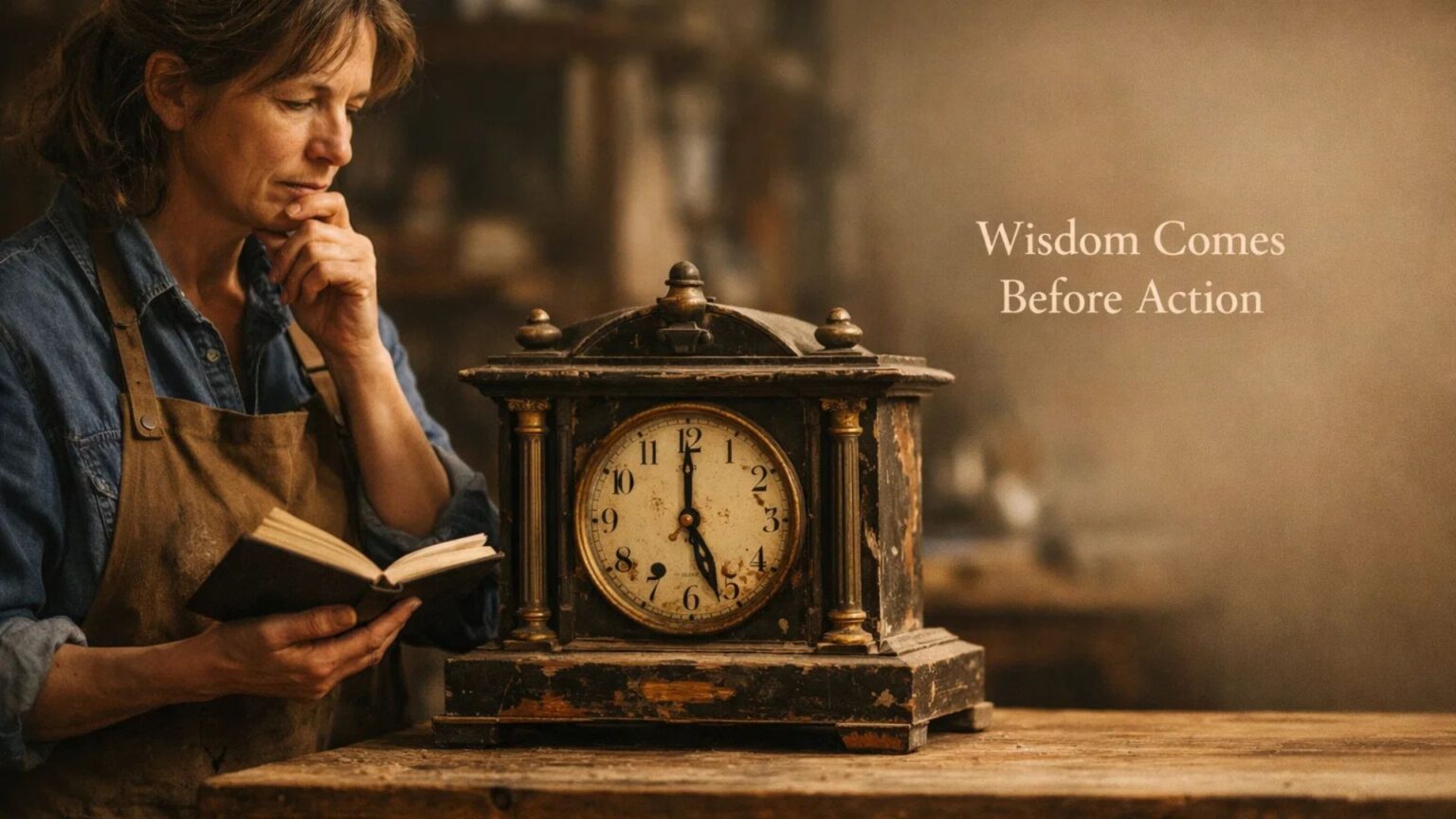
Want to restore an antique without second-guessing every move? Then stop rushing. We’ve laid out exactly when to start, when to pause, and how to avoid the most common beginner mistakes—so you protect history, preserve value, and restore with confidence instead of regret.
👉 Explore Our Maintenance & Restoration Guides for Beginners
After all, when it comes to antiques, the smartest restorations start with patience—not power tools.
Bonus: More Ways to Unlock Vintage Style

If you enjoyed learning when to start restoring your first antique, you’ll appreciate exploring more guides focused on care, preservation, and thoughtful restoration. From maintaining original finishes to knowing when to step back, these resources help you protect history while adding character and confidence to your space. Take a look at our other Maintenance & Restoration articles and discover even more ways to care for vintage pieces—without rushing, guessing, or ruining what makes them special.
Antique Collection on a Budget – You don’t need deep pockets to build a meaningful collection. This guide shows how to spot character-rich antiques, prioritize quality over quantity, and create a space that feels warm, lived-in, and authentic—without overspending or settling
Restoring Old Paintings to Their Former Glory—Some artwork needs intervention, while other pieces need restraint. This article walks through how to recognize the difference, explaining when restoration enhances beauty—and when leaving well enough alone protects history and value.
Vintage Jukebox History: America’s Original Social Playlist— Long before streaming, jukeboxes brought people together. Here, we explore how these iconic machines worked, why they mattered, and how thoughtful care can keep their presence—and personality—alive today.
What Vintage Technology Still Works Today? Built to last – Not everything old is obsolete. This piece looks at vintage radios and technologies that still function beautifully, explaining why they were built to last—and how nostalgia and practicality can still coexist.

Tradition, Treasures & Timeless Stories—Delivered Weekly
Every antique tells a story, and every tradition carries a memory. Our newsletter brings you closer to both, with inspiration, guides, and finds that make nostalgia part of your everyday life. Subscribe today and let the past brighten your future.