Home » Why Old Clocks Were Built to Last (And Modern Ones Aren’t)
Why Old Clocks Were Built to Last (And Modern Ones Aren’t)
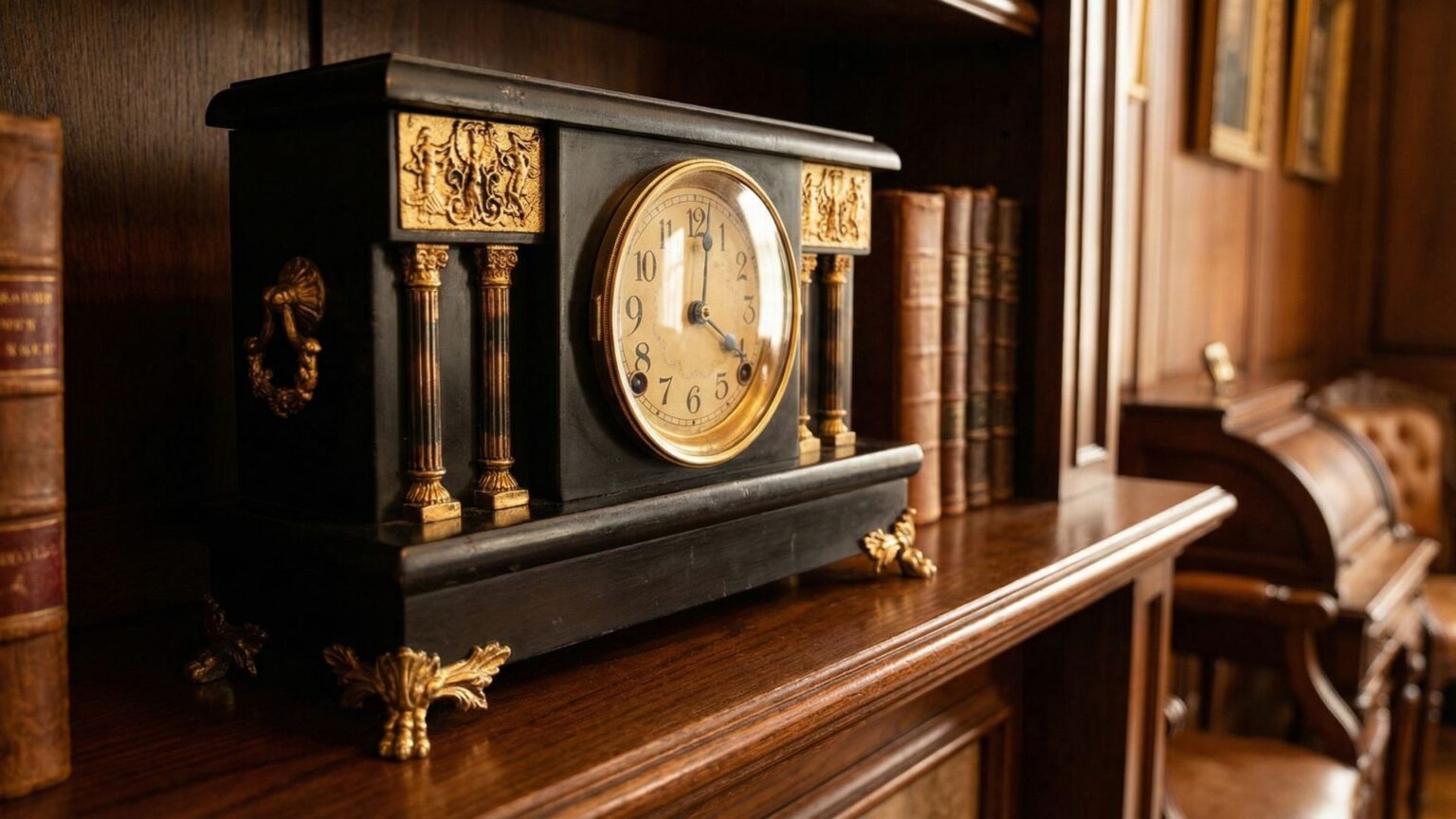
Time Used to Mean Something
Why old clocks were built to last is a subject that’s close to my heart. Once upon a quieter time, a clock did more than show the hour—it carried meaning.
Back then, people didn’t rush time; instead, they respected it. Because of that mindset, clocks became steady companions rather than disposable tools.
In many homes, the day began and ended by the same familiar tick. Families gathered beneath pendulums that marked the hours with purpose. Even silence felt intentional.
Today, however, glowing screens flash numbers without ceremony. Time rushes forward instead of unfolding. Unfortunately, this causes a loss of something essentially human.
The Weight of Quality You Can Feel
Pick up an old clock and the difference becomes immediately clear.
Right away, you feel it in the weight. You notice it in the balance. You recognize it in the materials.
Craftsmen once shaped clock cases from solid woods and fitted them with brass gears and steel pivots. Every component served a reason. Nothing existed by accident.
By contrast, modern clocks rely on lightweight plastics and sealed designs. Because of that shift, replacement often feels easier than repair. Durability gives way to convenience.
Still, older clocks tell a different story. Their continued success is due to their purposeful construction, not to chance.
A Closer Look at Timeless Craftsmanship
Step inside the world of enduring craftsmanship, where time moves gently and every detail tells a story.
Built to Be Repaired, Not Replaced
Clockmakers of the past expected their work to be touched by future hands.
For that reason, they designed movements that could be opened, cleaned, and adjusted.
Repair never meant failure; it marked continuity. Maintenance represented care.
Today, many modern clocks resist that idea. Once a part fails, replacement becomes the default. Access disappears. Knowledge fades. Skill slowly vanishes.
Meanwhile, antique clocks reward patience. They invite learning. They prove that longevity begins with thoughtful design.
When Time Had a Sound
Mechanical clocks never tried to hide their presence.
Instead, they ticked with confidence. They chimed with rhythm. They filled rooms with reassurance.
Those sounds grounded daily life. Mornings felt anchored. Evenings felt calm. Time moved forward without pressure.
Modern clocks, however, often eliminate sound entirely. They glow silently. They demand attention without offering warmth.
This distinction explains why many individuals are drawn to the reliable timekeeping of a mechanical clock. It feels alive. It feels honest.
Why Were Old Clocks Built to Last? Craftsmanship Was the Brand
In earlier generations, reputation mattered more than slogans.
Makers like Seth Thomas, Ansonia, Sessions, and Howard Miller built trust through consistency rather than advertising.
Their names appeared quietly on movements and dials, confident that the work spoke for itself. As a result, their clocks endured long after trends faded.
Today, branding often leads while craftsmanship follows. Back then, craftsmanship was the brand.
Old Clocks Still Matter Today, Built to last
Modern life moves fast. Nevertheless, old clocks encourage us to slow down.
Time is required for quality, as they point out.
They show that durability can still feel beautiful.
The fact that they are both practical and beautiful is proof of it.
Choosing an antique clock isn’t about nostalgia alone. Instead, it’s about intention. It’s about valuing things made to last rather than things made to sell.
A Final Thought
Old clocks weren’t built for trends.
They weren’t designed to impress for a season.
They were made to endure.
Through decades of change, they continue to keep time faithfully. In doing so, they remind us that some things grow more meaningful simply by lasting.
A Collection of Frequently Asked Questions About Antique Clocks
Even though antique clocks have stood the test of time, many people still have questions about what makes them different from modern timepieces. After all, quality isn’t just about how a clock looks — it’s about how it’s built, how long it lasts, and how well it keeps time year after year. Below, I’ve answered some of the most common questions about old clocks so you can better understand their craftsmanship, value, and lasting appeal.
Why do old clocks last longer than modern ones?
Old clocks use durable materials like brass and hardwood, and makers designed them for repair. As a result, they often outlast modern, disposable designs.
Are antique clocks still accurate?
Yes. When maintained properly, many antique clocks keep excellent time, especially mechanical models with regular servicing.
Is it worth repairing an old clock?
In most cases, yes. Repairing an antique clock preserves craftsmanship and often costs less over time than replacing modern clocks.
Do antique clocks require electricity?
Most do not. Traditional antique clocks run on weights or springs, which makes them reliable even during power outages.
What makes antique clocks valuable today?
Value comes from craftsmanship, materials, condition, maker reputation, and originality.
Bonus Feature: Discover Timepieces Built to Endure
If reading this made you appreciate the craftsmanship behind old clocks, you’re not alone. Many people start their search by looking for pieces that capture that same sense of durability and character, whether it’s a true antique or a carefully made modern reproduction.
We’ve curated a small collection of timepieces that reflect the same values discussed here: quality materials, thoughtful design, and long-term reliability.
👉 Explore Our Favorite Vintage-Inspired Clocks & Timepieces
(Includes trusted retailers and carefully selected styles that honor traditional craftsmanship.)
Bonus: More Ways to Unlock Timeless Style

If you enjoyed exploring why old clocks were built to last, you’ll love diving deeper into other pieces that bring history, craftsmanship, and character into the home. From heirloom timepieces to thoughtfully aged décor, these pieces don’t just fill a space — they tell a story.
Whether you’re drawn to mechanical beauty, vintage design, or the quiet presence of well-made objects, there’s always more to discover. Take a look at our other guides and find new ways to surround yourself with items that carry meaning, memory, and lasting charm.
Quality Vintage Furniture: What to Look For – Find genuine, quality vintage furniture, along with learning how to make smart investments; choose wisely.
Best-Selling Farmhouse Wall Clocks—Rustic Country Charm— Best-selling farmhouse wall clocks that blend rustic design with timeless country charm. Shop Nostalgia Nook Antiques today.
Why Choose a Grandfather Clock for Your Home— Why choose a grandfather clock? Add charm, tradition, and functionality to your home with these timeless treasures. Learn about their appeal.
5 Helpful Tips for Keeping Your Grandfather Clock in Top Condition– 5 helpful tips to keep your grandfather clock in top condition—preserve accuracy, beauty, and charm with expert maintenance insights.

Tradition, Treasures & Timeless Stories—Delivered Weekly
Every antique tells a story, and every tradition carries a memory. Our newsletter brings you closer to both, with inspiration, guides, and finds that make nostalgia part of your everyday life. Subscribe today and let the past brighten your future.