Home » Informational » Nostalgia vs Antiques: What’s the Difference?
What's the Difference Between Nostalgia and Antiques?
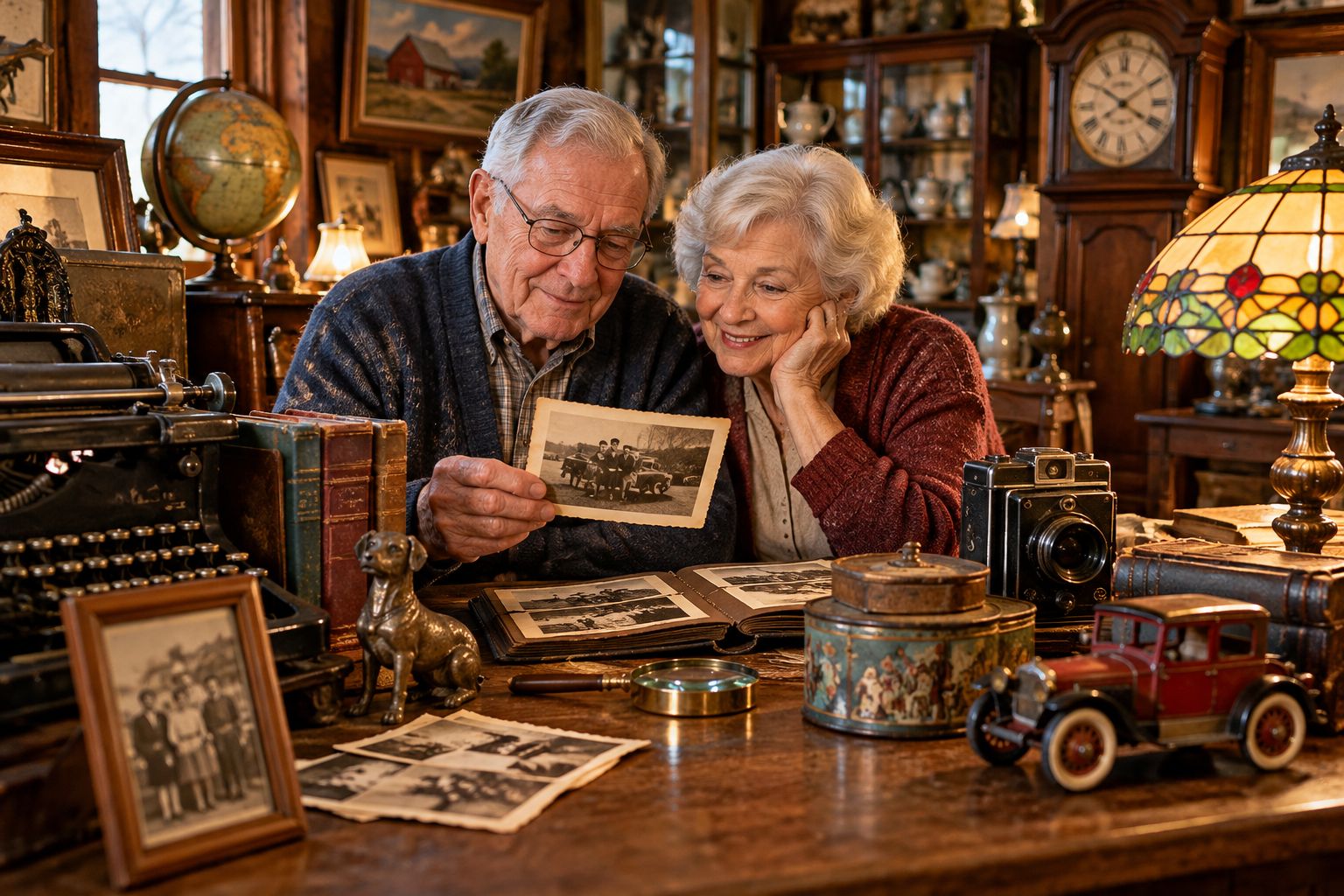
Nostalgia vs Antiques: What’s the difference? One lives in our memories, while the other might be sitting in Grandma’s attic, waiting for someone to discover what it’s worth.
Nostalgia is the emotional connection we feel with the past. It might come from an old photograph, a favorite childhood toy, or a song that takes us straight back to high school. Suddenly, we’re remembering people, places, and moments we haven’t thought about in years.
Antiques, on the other hand, are physical objects from an earlier time, generally at least 100 years old. They might be furniture, clocks, pottery, or treasured family heirlooms. Some are valuable, while others are worth more in memories than money.
Here’s where things get interesting. An antique can inspire nostalgia, but something doesn’t have to be antique to bring back wonderful memories. That battered lunchbox from third grade might not belong in a museum, but try telling that to the person who carried it every day.
At Nostalgia Nook Antiques, we enjoy exploring both sides of the past: the objects people collected and the memories that make them meaningful.
What's the Difference Between Nostalgia and Antiques? - Video

What Is Nostalgia? Understanding the Power of Memories
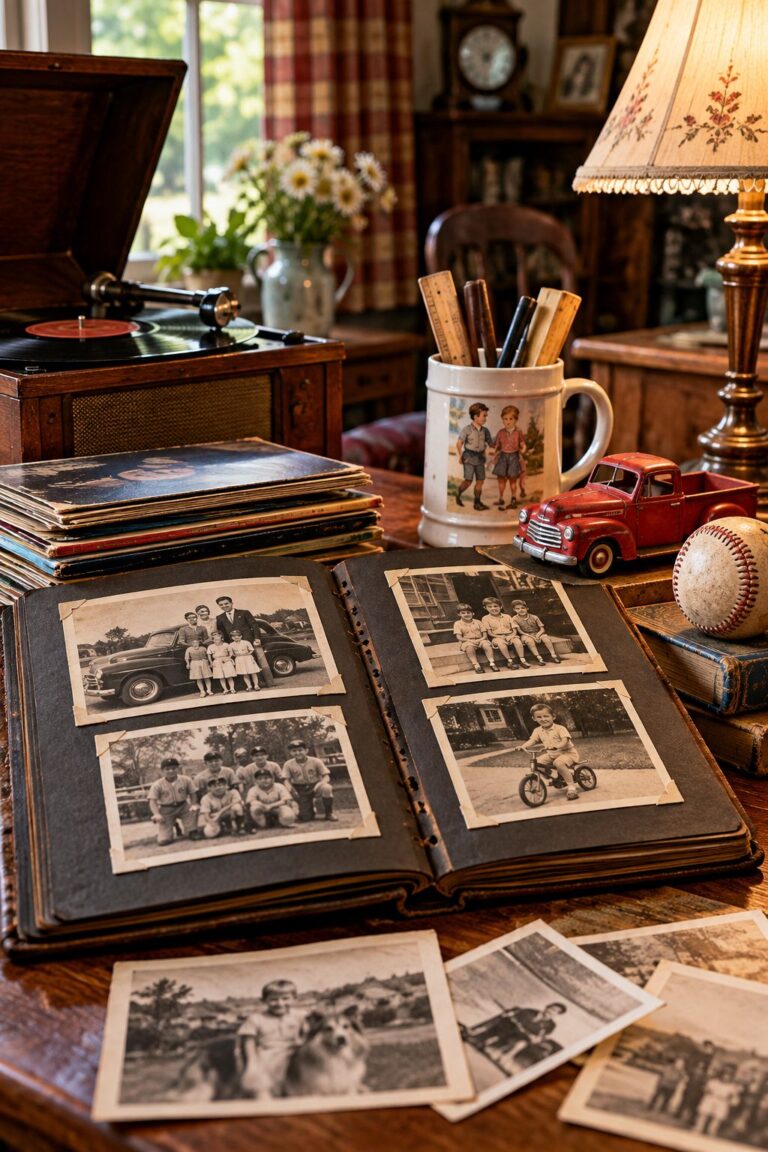
Nostalgia is more than remembering the good old days. It’s an emotional connection to people, places, and experiences that helped shape our lives.
The word comes from the Greek terms “nostos,” meaning “return,” and “algos,” meaning “pain.” Originally associated with homesickness, nostalgia eventually became a way to describe our longing for the past.
Psychologists often distinguish between two ways we experience nostalgia:
Reflective Nostalgia: We enjoy remembering the past without necessarily wanting to recreate it. Hearing a favorite song from high school might bring back memories of old friends and unforgettable moments.
Restorative Nostalgia: We try to rebuild or recapture something from an earlier time. Perhaps we decorate our kitchen with 1950s-style appliances or collect the toys we loved as children.
According to the American Psychological Association, nostalgia helps us maintain connections with our past and the people who shaped our lives. Perhaps that’s why an old family photograph can mean more to us than an expensive collectible.
Of course, nostalgia doesn’t require an expensive antique. Sometimes, all it takes is an old photograph, a familiar smell, or the opening notes of a Beatles song.
What Makes an Antique Special? Age, History, and Value
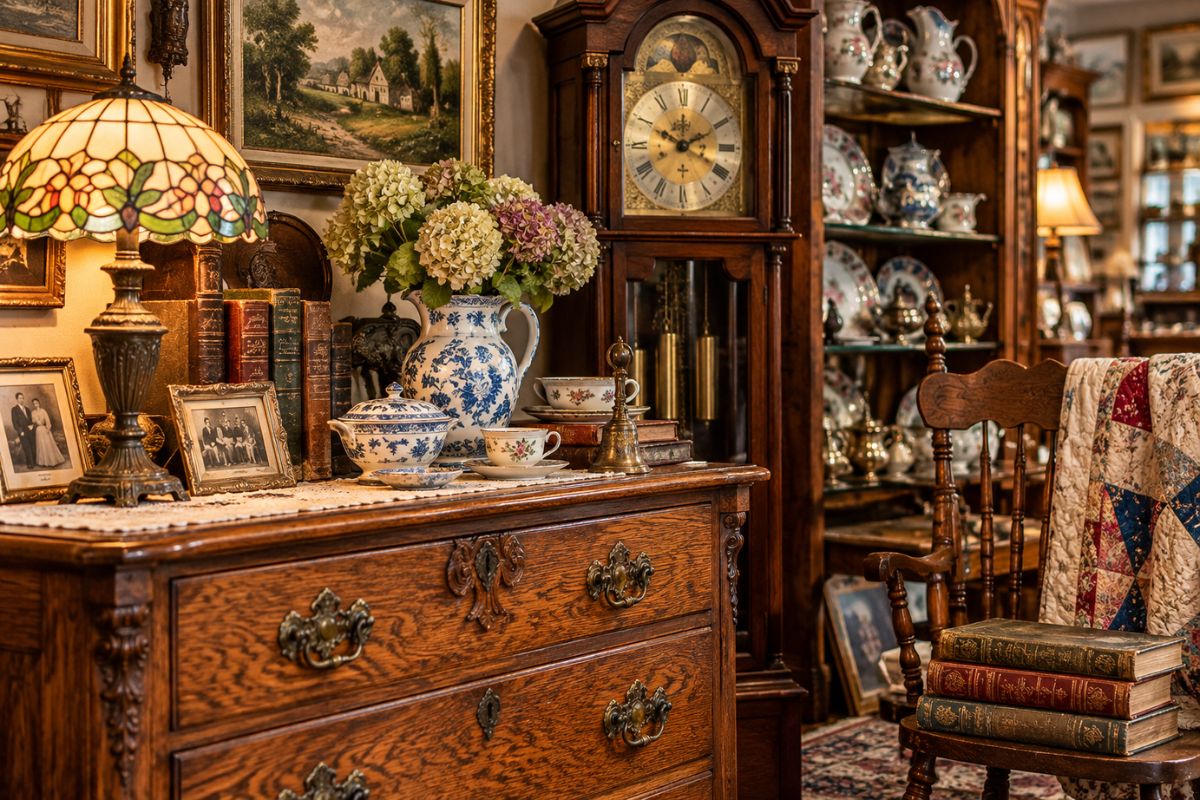
Walk into an antique shop, and you’ll discover everything from grandfather clocks and delicate porcelain to furniture that has survived several generations. Each piece has a history, although some have considerably more character than others.
When comparing nostalgia vs antiques, it’s important to remember that an object’s historical value and its sentimental value aren’t necessarily the same.
Traditionally, an antique is an object at least 100 years old. However, age alone doesn’t guarantee that something is rare, desirable, or valuable. Its condition, craftsmanship, historical significance, and demand among collectors also matter.
Consider a beautifully carved oak dresser from the early 1900s. Its construction, original hardware, and signs of careful use can reveal how furniture was made and appreciated generations ago.
That ancient chair in Grandpa’s cellar may be worth a little fortune. Or it might be worth exactly what Grandpa paid for it at a garage sale in 1972.
That’s what makes collecting antiques so interesting. Some pieces are prized for their rarity, while others are treasured because they connect us to family history.
And that’s where antiques and nostalgia begin to overlap.
Did You Know? An antique isn’t automatically valuable just because it’s old. Rarity, condition, provenance, and collector demand can matter much more than age alone.
How to Tell an Antique from a Vintage Collectible
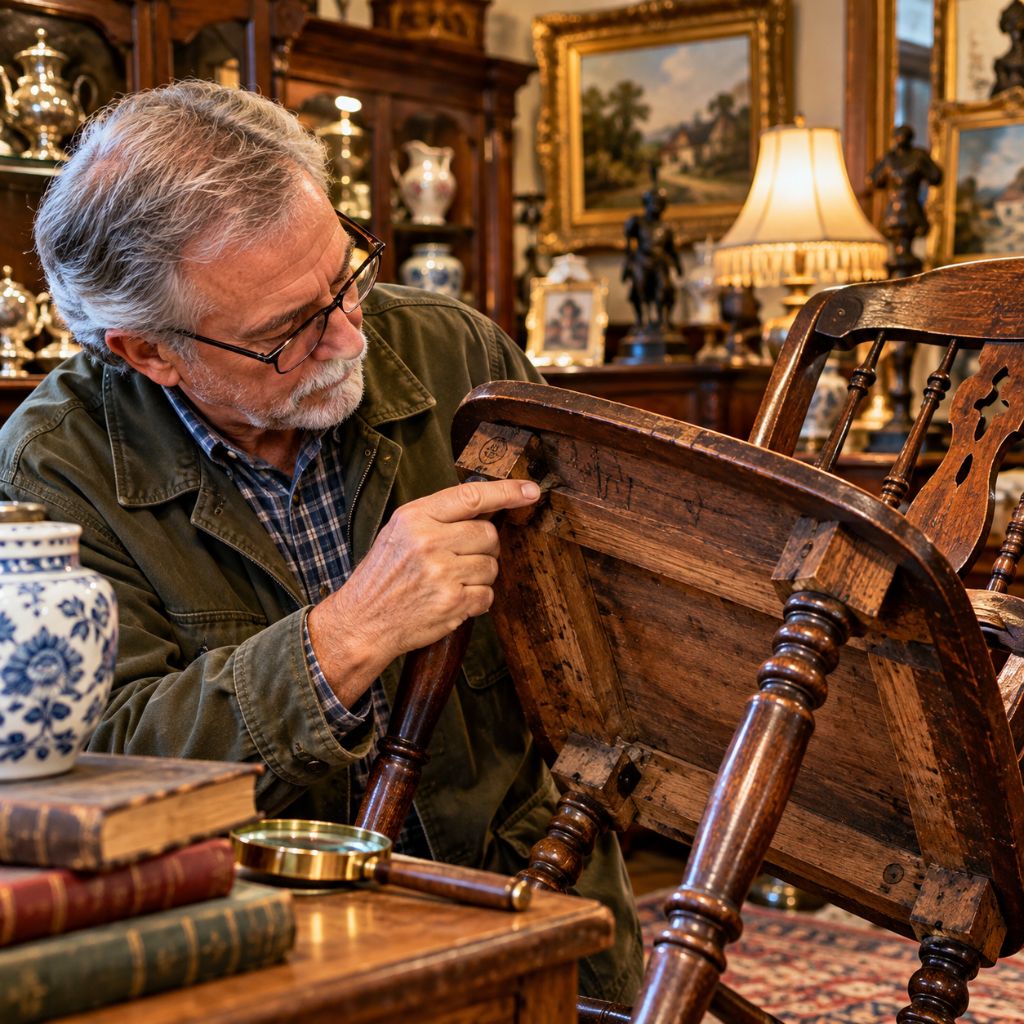
Ever spot something at a flea market and wonder whether it’s an antique or simply old? You’re certainly not alone. Fortunately, a few clues can help you recognize the difference.
Antiques are generally at least 100 years old; age is the starting point. Items that are considered vintage tend to be more recent items that are linked to a previous period. However, sellers sometimes use these terms loosely.
Craftsmanship offers another clue.
Look for hand-cut dovetail joints in furniture, maker’s marks on pottery, or distinctive construction methods. These details can help identify when and where an object was produced.
Materials and design also matter.
Solid wood, traditional joinery, period hardware, and decorative styles can provide valuable clues. Still, reproductions can sometimes do a very good job of copying these traits.
For example, a Victorian locket might qualify as an antique, while a 1960s transistor radio would generally be considered vintage.
According to Sotheby’s, experts consider several factors when evaluating antiques, including their rarity, condition, history of ownership, and previous sales of similar pieces. In other words, being old is only part of the story.
Before buying an expensive piece, research its maker, condition, and history. After all, nobody wants to pay an antique price for something manufactured last Tuesday.
Nostalgia vs Antiques: What's the Real Difference?
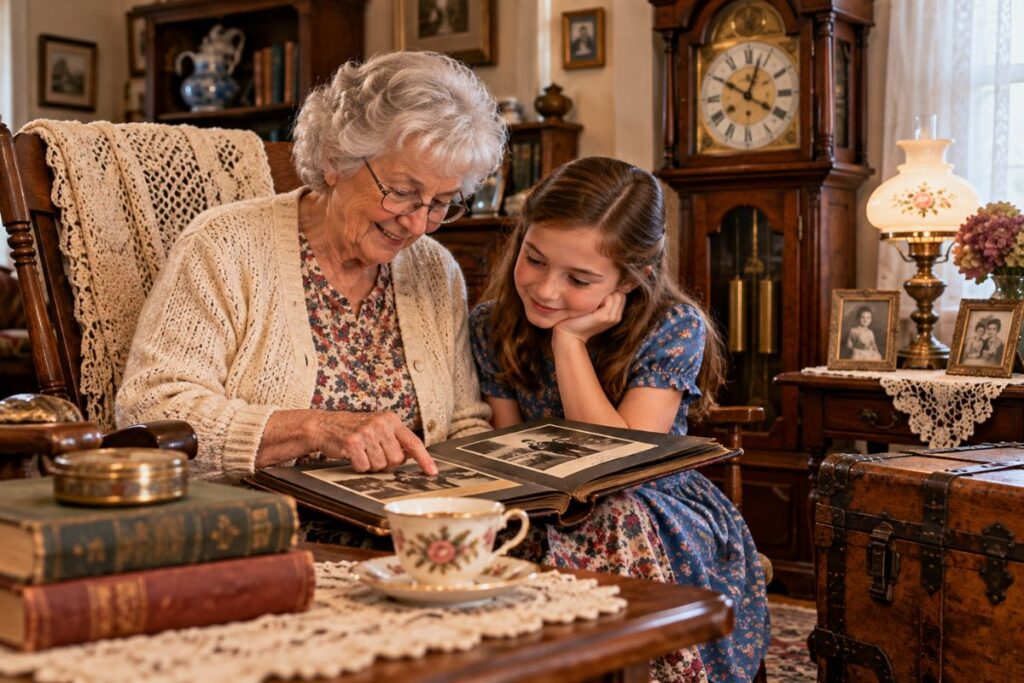
Nostalgia vs Antiques isn’t simply a question of how old something is. The real difference comes down to emotions, history, and the meaning we attach to objects.
Nostalgia is personal. Hearing a favorite song, opening an old yearbook, or finding a childhood toy can bring back memories almost instantly. Those experiences matter because of the people and moments we associate with them.
Antiques, meanwhile, are physical reminders of earlier generations. Their craftsmanship, age, and historical significance help us understand how people once lived. Some are valuable collectibles, while others are ordinary household objects that survived the years.
Even an old label can offer valuable clues. As Antique Trader explains, furniture labels may identify a manufacturer, retailer, or trade association. Knowing the difference can help collectors research a piece’s age and origin.
Here’s where the two meet: an antique can also be nostalgic. Grandma’s old kitchen clock might have considerable historical value, but remembering the sound it made every Sunday morning could make it priceless to you.
One represents our emotional connection to the past. The other preserves a physical piece of it. Sometimes, the same object does both.
Feature | Nostalgia | Antiques |
|---|---|---|
Meaning | Emotional connection to the past | Physical objects from earlier times |
Age requirement | None | Generally 100+ years |
Value | Primarily sentimental | Historical, collectible, or monetary |
Examples | Childhood songs, family memories | Victorian furniture, old clocks |
Connection | Personal experiences | History and craftsmanship |
A Thought From Nostalgia Nook Antiques: That old rocking chair might be worth $200 at an antique auction. But if it’s the chair Grandpa sat in while telling you stories, good luck finding anyone who could pay you enough to part with it.
How Does an Antique's Age Affect Its Value?
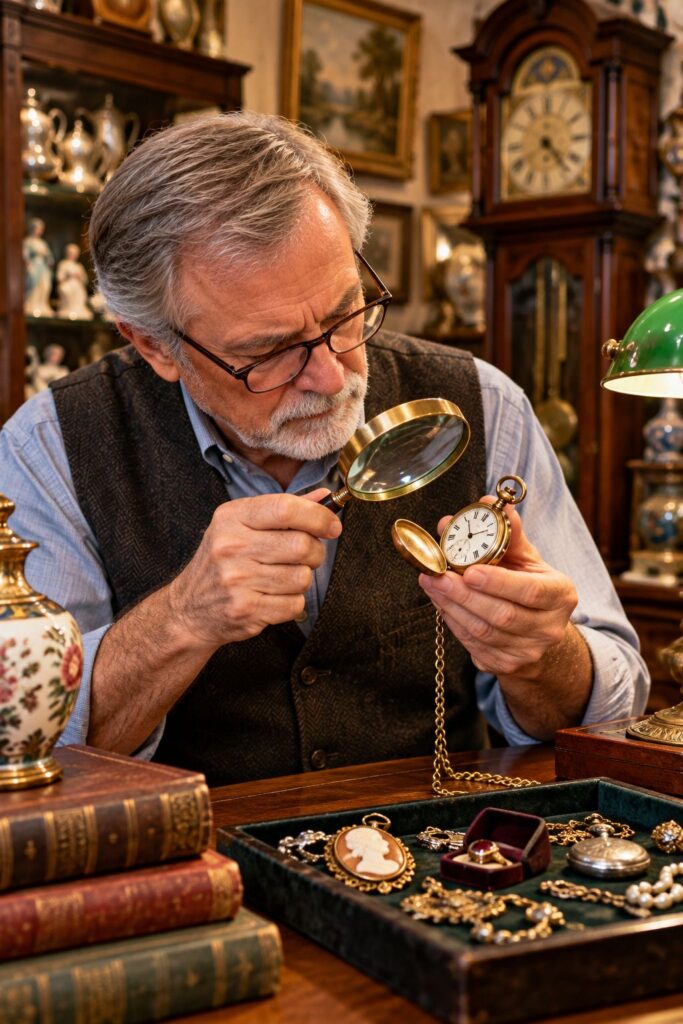
I don’t just throw around the word “antique” for no reason.
Just because something has celebrated its 100th birthday doesn’t mean it’s worth a fortune. In fact, some antiques are surprisingly affordable, while others can command thousands of dollars.
Age is important, but rarity and demand often determine value. A mass-produced chair from the 1890s might sell for less than a highly collectible toy manufactured in the 1960s.
Condition also makes a difference. Original finishes, working mechanisms, and undamaged components can influence what collectors are willing to pay. Professional restoration isn’t always a good thing, though. Sometimes, collectors prefer an object’s original appearance, even with a few imperfections.
Another important factor is provenance, the documented history of an object’s ownership. A piece connected to a notable person or historical event may attract additional interest.
As Christie’s explains, an object’s rarity, condition, ownership history, and demand among collectors all influence its estimated auction value. That is why you might see vast price differences amongst antiques of the same era.
Before purchasing an expensive antique, compare recent sales, research the maker, and consider getting a professional appraisal.
After all, an antique’s birthday tells us how old it is. Its history, condition, and desirability help tell us what it might be worth.
Why Knowing the Difference Between Nostalgia and Antiques Matters
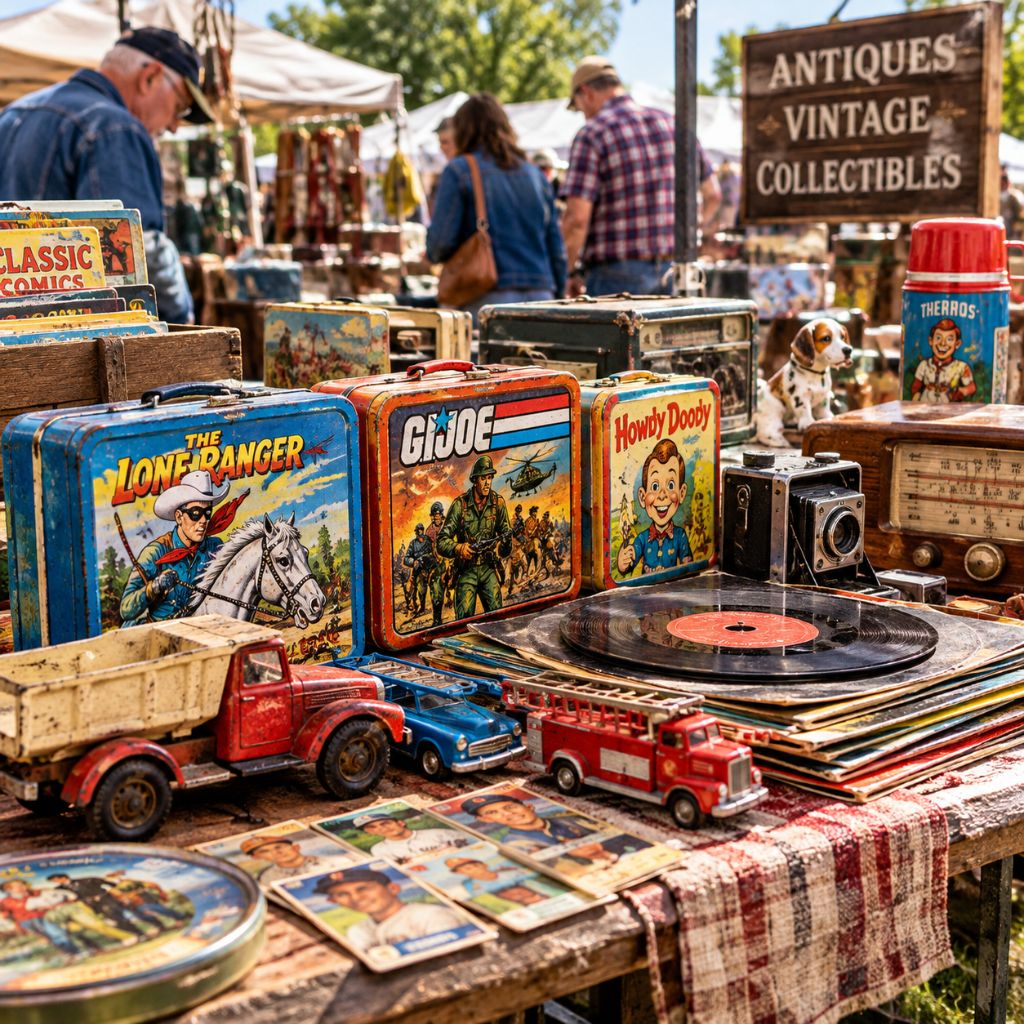
Understanding nostalgia vs antiques can also help collectors make smarter decisions without letting childhood memories influence every purchase.
For example, that vintage lunchbox you carried to school might be priceless to you. However, its resale value depends on its condition, rarity, and whether other collectors want it.
The purchase of an antique does not guarantee a return on investment either. Collecting trends change, and yesterday’s expensive treasures can become tomorrow’s garage sale bargains.
Before spending serious money, consider three things:
Research the item. Check its age, maker, condition, and recent selling prices.
Understand your motivation. Are you buying it for historical interest, personal memories, or potential resale value?
Verify expensive purchases. Consult a qualified appraiser when authenticity or value is uncertain.
If you’re considering an expensive purchase, getting an expert opinion can save you from a costly mistake.The Appraisers Association of America offers a directory of professionals who specialize in antiques, collectibles, furniture, and other valuable objects. It’s a useful resource when you’re uncertain about an item’s authenticity or value.
Above all, remember that collecting should be enjoyable. A $20 childhood keepsake might bring you more happiness than a $2,000 antique cabinet.
The most expensive collections aren’t always the greatest. They’re the ones that mean something to the people who own them.
How to Build a Collection of Nostalgic and Antique Treasures
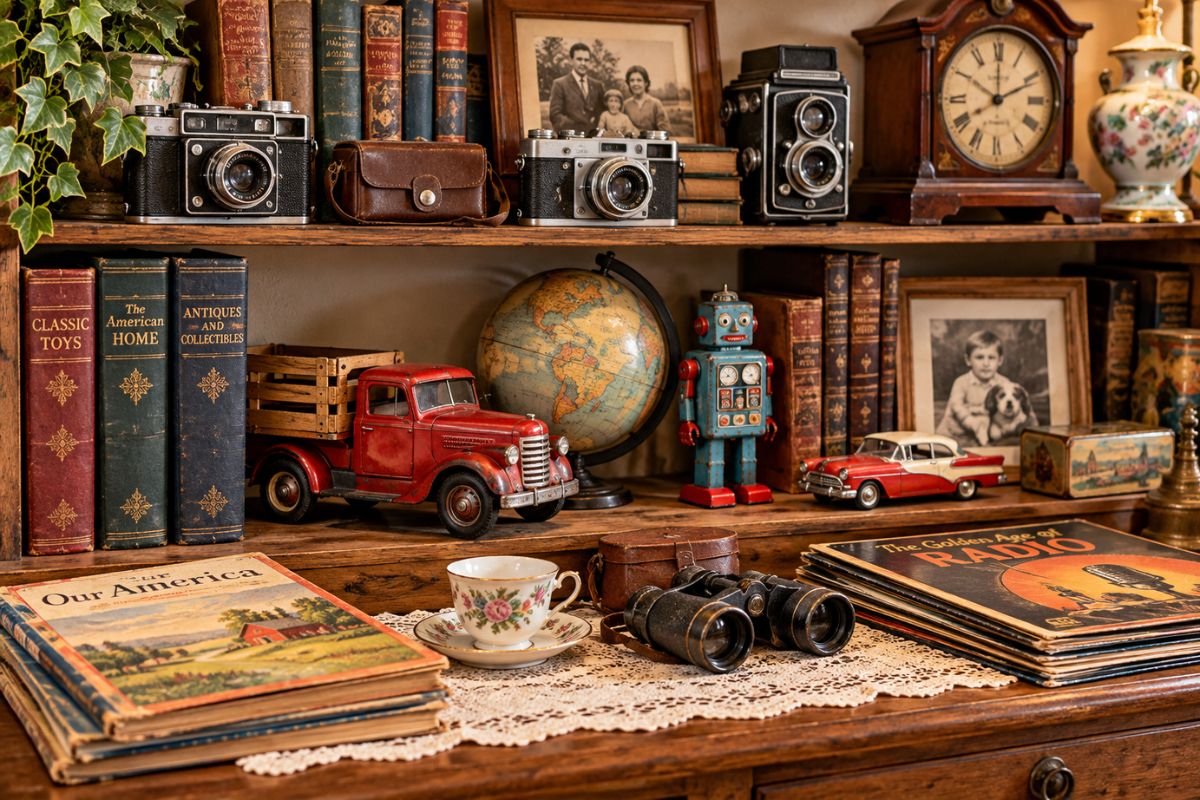
Building a collection doesn’t require a large budget or a house filled with expensive antiques. In fact, some of the most interesting collections begin with a single object that brings back a favorite memory.
Perhaps you remember the wind-up toys you played with as a child, the old clocks in your grandparents’ home, or the colorful dishes your mother brought out every Sunday.
Start with something that interests you. Vintage cameras, childhood toys, antique books, and family heirlooms can all become the foundation of a meaningful collection.
Next, visit antique shops, estate sales, and local flea markets. Ask questions, compare prices, and learn about the history behind the objects you discover.
Don’t forget about family valuables, still. An old recipe box or a collection of handwritten letters might have little resale value but enormous sentimental importance.
Most of all, collect what you really love. Trends come and go, but the memories and stories attached to your favorite pieces can last a lifetime.
Bring a Little Nostalgia Home
Love the warmth and character of vintage farmhouse living? Visit our Shop Our Farmhouse collection for rustic home accents, vintage-inspired decorations, and charming pieces that celebrate the past. You might just discover something that reminds you of Grandma’s kitchen!
Nostalgia vs Antiques: Are They Worth the Investment?
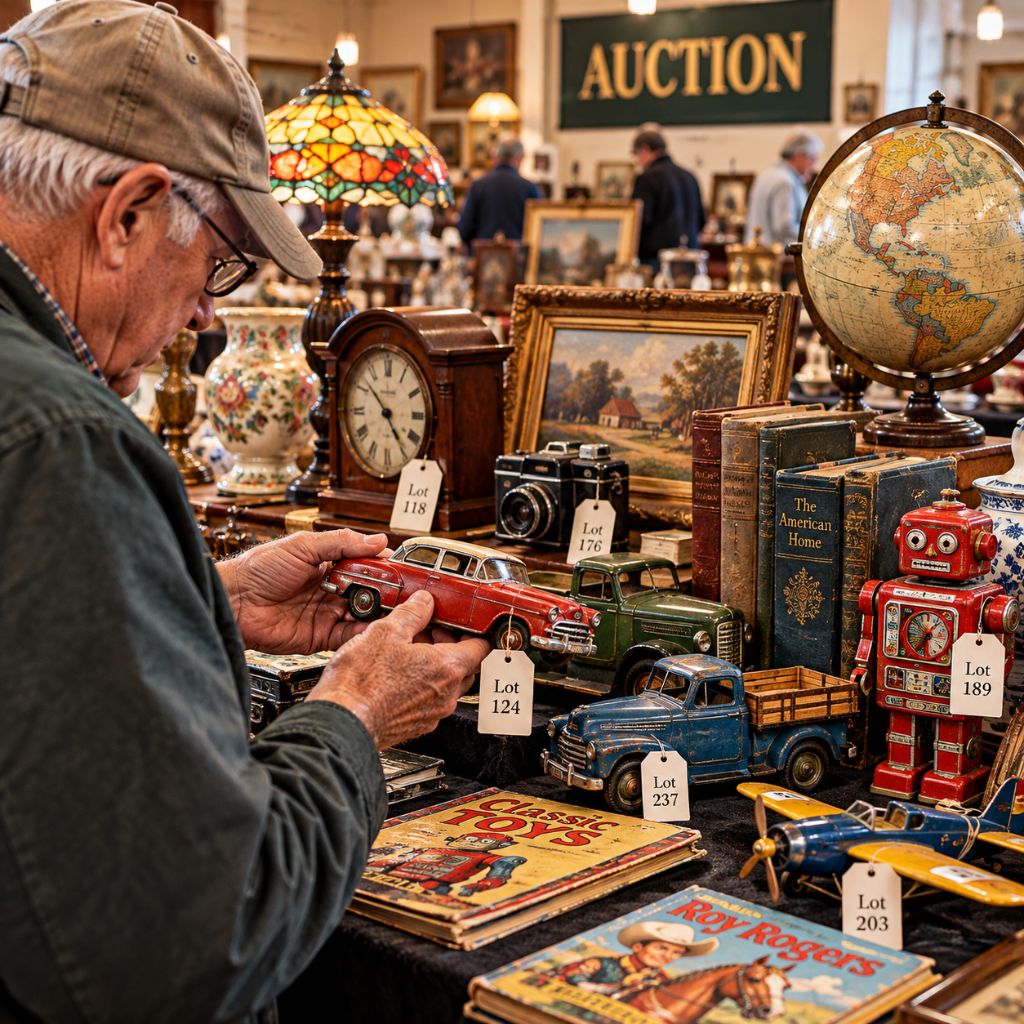
When it comes to nostalgia vs antiques, financial value and personal satisfaction don’t always go hand in hand. Sometimes, there’s a big difference between buying something you love and purchasing it as an investment.
Antiques can appreciate in value, particularly when they’re rare, historically significant, or sought after by collectors. However, changing tastes, restoration costs, and selling fees can quickly reduce potential profits.
Another trend is nostalgic souvenirs. Vintage toys, classic video games, and childhood memorabilia may attract enthusiastic buyers today, but popularity doesn’t guarantee tomorrow’s prices.
Sentimental value is another story. That old baseball glove from your first Little League season might never sell for much. But it might be one of your most cherished things because of the memories it holds.
Before spending serious money on collectibles, it’s worth checking what similar items have actually sold for. The Heritage Auctions Past Sale Prices Archive provides historical auction results for everything from vintage toys to rare memorabilia. After all, an asking price is one thing. Finding someone willing to pay it is another!
It has to begin with having a real interest in collecting. If your treasures increase in value, that’s a wonderful bonus. If they don’t, you’ll still have a collection that brings you pleasure.
Nostalgia and Antiques: Two Ways to Treasure the Past
Nostalgia and antiques may be different, but they share something wonderful: both help us stay connected to the past.
Nostalgia brings back the people, places, and experiences that shaped our lives. Antiques preserve the objects, craftsmanship, and traditions of earlier generations. Sometimes, a single treasured possession brings both worlds together.
Consider Grandma’s old kitchen table. To an antique dealer, it might be an interesting example of early American furniture. To you, it’s where the family gathered for Sunday dinners, birthdays, and conversations that lasted long after dessert.
That’s the real beauty of nostalgia and antiques. One preserves our memories, while the other gives us something tangible to remember them by.
So, the next time you discover an old treasure at a flea market, don’t just ask what it’s worth. Ask what stories it might tell.
Now we’d love to hear from you! What’s one childhood possession or family heirloom you would never part with? Share your story in the comments below. After all, some of the best memories deserve to be passed along.
Explore More Nostalgic Stories
Every old treasure has a story, and there’s always another fascinating piece of the past waiting to be discovered.
Whether you enjoy antique craftsmanship, childhood memories, or vintage technology, we’ve gathered a few more Nostalgia Nook Antiques articles you might enjoy.
Appreciating Antique Timepieces: Craftsmanship and History
Explore the fascinating world of antique clocks and watches, where beautiful craftsmanship meets generations of history.
Antique Chest Restoration: Preserving the Past With Craftsmanship
Discover how restoring an old wooden chest can preserve craftsmanship, family history, and treasured memories.
Nostalgia Myths Debunked:
Were the good old days really better? Take a closer look at the memories we treasure and the surprising truths behind them.
What Vintage Technology Still Works Today?
Fashion wasn’t the only thing built to last. Discover which old-school gadgets and household technology can still earn their keep today.
Vintage Lights: Antique Glow – A Nostalgic Lighting Collection
From table lamps to farmhouse fixtures, see how vintage lighting styles can bring another piece of the past into the present.
The objects may grow older, but the memories they hold never lose their place at Nostalgia Nook Antiques.
join Nostalgia Nook Antiques
We appreciate the chance to reply to every single person who takes the time to provide feedback at Nostalgia Nook Antiques. Do not be shy, please.
