When Americans Fixed Everything: The Lost Art of Repairing Instead of Replacing
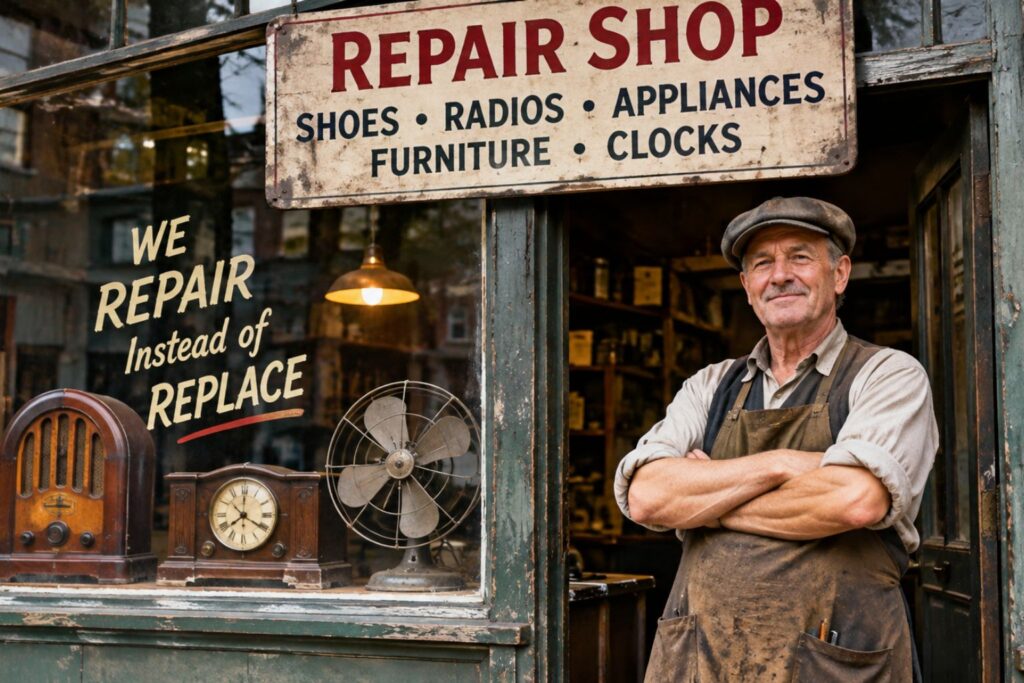
There was a time in America when vintage repair shops were part of everyday life. A broken appliance didn’t automatically mean a trip to the store. Worn shoes went to the cobbler, a silent radio went to the repairman, and a damaged chair found its way into the hands of someone who knew how to make it sturdy again.
Vintage repair shops were fixtures of American neighborhoods. Behind their counters stood craftsmen who understood the machinery, materials, and little tricks that kept everyday possessions working for years.
Back then, people didn’t always replace something simply because it was old. They repaired it because it still had value. Sometimes money was tight, but just as often, throwing away something useful simply didn’t make sense.
Those neighborhood workshops represented more than a way to save a few dollars. They reflected an American tradition of practical knowledge, resourcefulness, and pride in a job well done.
Today, many of those familiar storefronts have disappeared. Yet the stories behind them remind us of a time when fixing something was often the first choice, not the last.
When Vintage Repair Shops Filled American Neighborhoods
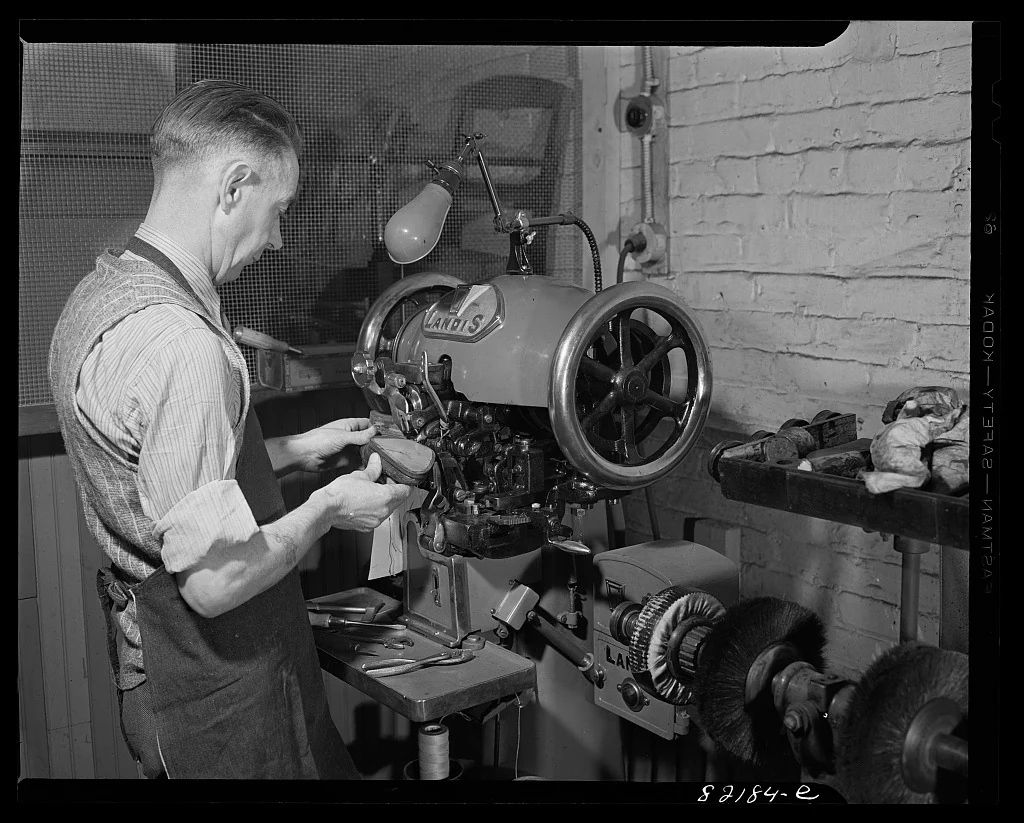
In towns and cities across America, vintage repair shops were once as familiar as the corner grocery store. A cobbler repaired worn shoes, a watchmaker brought treasured timepieces back to life, and a radio technician could often restore a silent family radio.
Inside these little workshops, the air carried the smell of leather, machine oil, and freshly cut wood. Workbenches were crowded with tools, spare parts, and unfinished jobs. Meanwhile, customers stopped by to pick up their belongings or ask whether something could be saved.
For many families, these craftsmen were trusted neighbors. They knew their customers, understood the value of a dollar, and took pride in making things work again.
Even as American manufacturing expanded, neighborhood repair businesses remained important. A good repair could extend the life of a household possession for years, sometimes at a fraction of the cost of replacing it.
These shops offered something that couldn’t be purchased in a department store: the knowledge and patience to give an old possession another chance. The Smithsonian’s National Museum of American History explores how Americans maintained their automobiles and developed practical repair skills in its fascinating feature, Building and Fixing Cars, offering another glimpse into a time when repairing something was often preferable to replacing it.
When a Broken Radio Wasn't the End of the Story
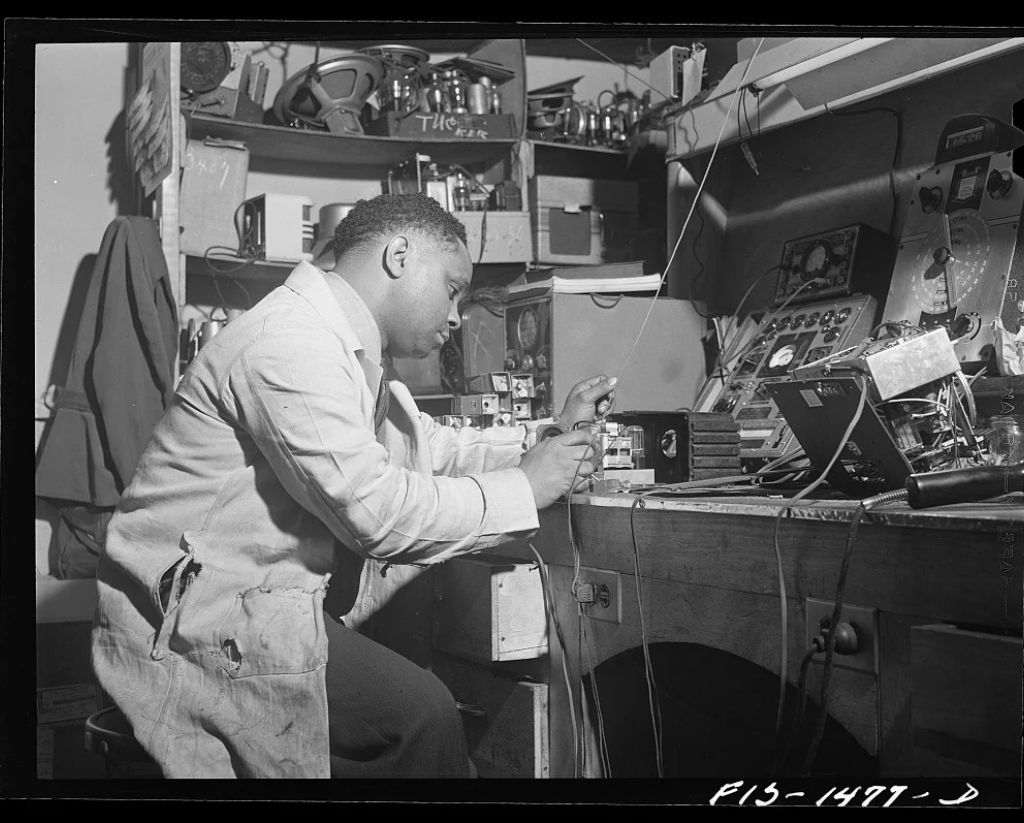
Way before Americans began replacing electronics every few years, a broken radio usually meant a visit to someone who knew what made it tick. Radio repairmen worked with vacuum tubes, wiring, and electrical components, often bringing a silent set back to life.
The Smithsonian’s National Museum of American History collections preserve examples of the radios, televisions, and electrical technology that once kept neighborhood repairmen busy.
As televisions became household fixtures, these skilled technicians took on another challenge. A flickering picture or a television that refused to turn on didn’t necessarily mean buying a new one. Instead, families called a repairman or carried their troublesome set to a neighborhood service shop.
Unlike many modern electronic devices, older radios and televisions were often built with replaceable components. With the right equipment and a little patience, an experienced technician could diagnose a problem and restore the familiar sounds and pictures families enjoyed.
For countless households, these repairs meant more than saving money. They kept the evening news, favorite radio programs, and Saturday entertainment right where they belonged—in the family living room.
When Appliances Were Built to Be Repaired
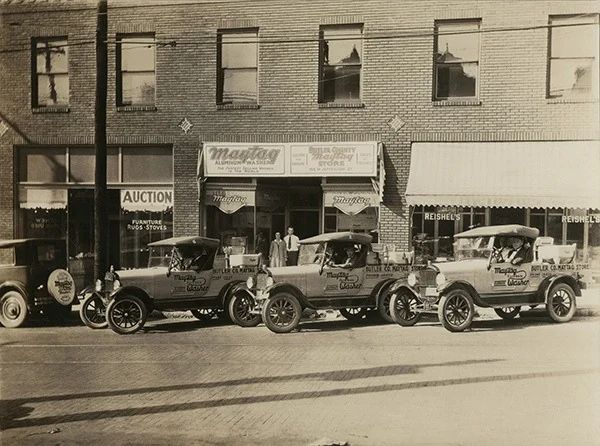
A washing machine that stopped spinning or a refrigerator that refused to stay cold didn’t always mean shopping for a replacement. Neighborhood repair shops helped generations of American families keep their household appliances running.
Unlike many of today’s tightly integrated machines, older appliances often had accessible motors, belts, switches, and other replaceable components. So a trained technician may often find the fault without having to replace the whole unit. The Smithsonian’s National Museum of American History collections preserve examples of household technologies that shaped everyday American life.
Manufacturers also supplied service information and replacement parts for many models. Meanwhile, neighborhood hardware stores and appliance dealers helped homeowners find the supplies they needed.
The repairman might arrive carrying a toolbox, examine the troublesome machine, and explain what needed fixing. Sometimes the problem was simple. Other times, it required ordering a part or returning for another visit.
Either way, repairing a dependable appliance often made financial sense. More importantly, it reflected an attitude that had become second nature in American households: if something could be fixed, it deserved another chance.
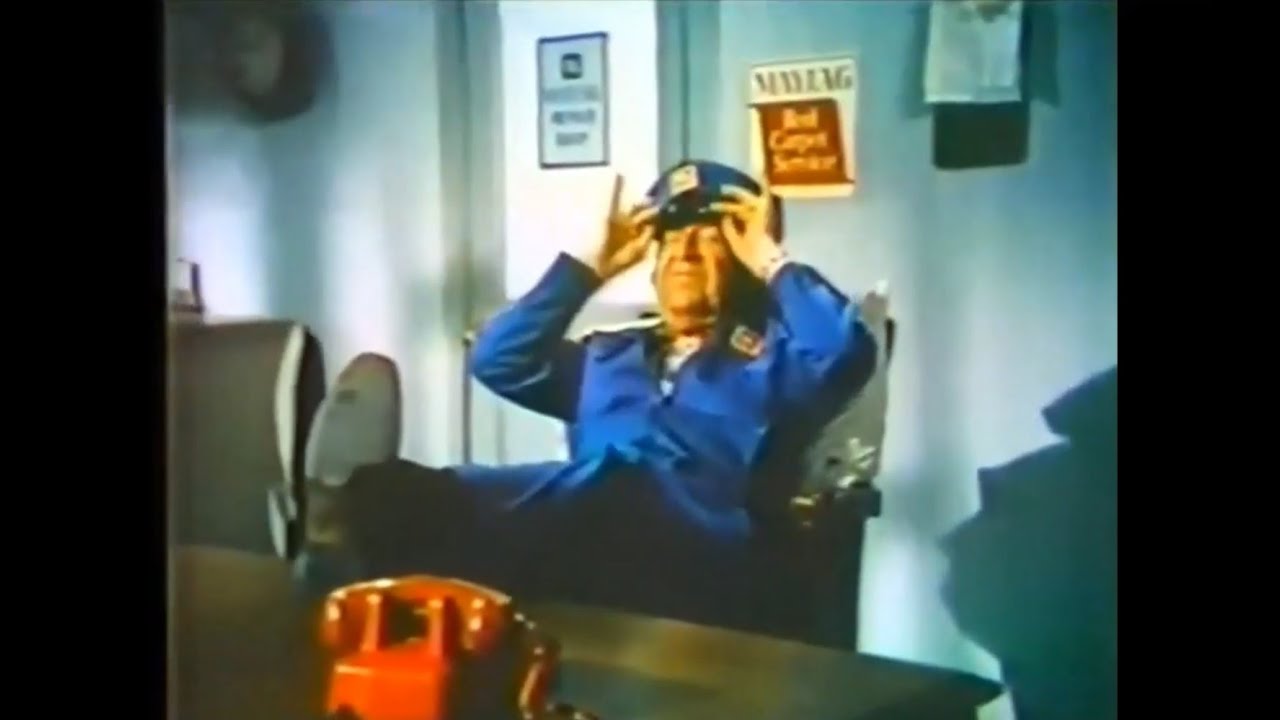
Remember the Lonely Maytag Repairman?
Who could forget Jesse White as the Lonely Maytag Repairman? His television commercials became a familiar part of American advertising, humorously suggesting that Maytag appliances were so dependable he had almost nothing to repair. According to Maytag’s own history, White portrayed the character for 21 years. Enjoy this memorable commercial from 1979.
The Neighborhood Mechanics Who Kept America Rolling
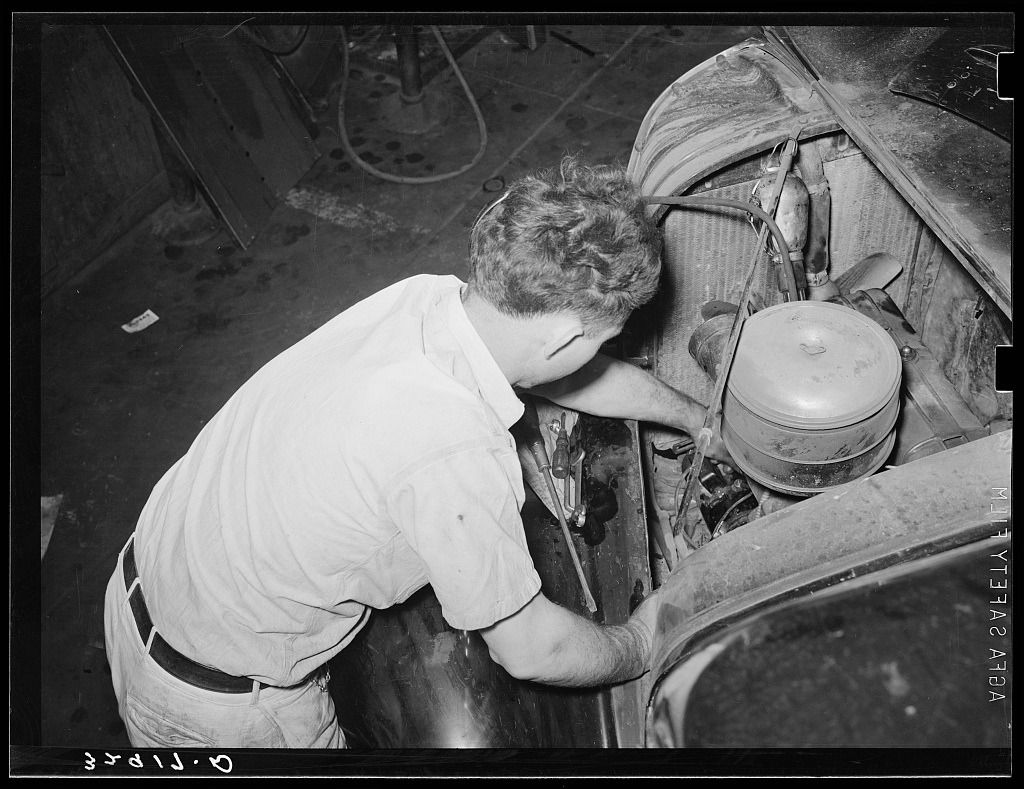
Among America’s traditional repair businesses, the neighborhood garage held a special place. It was more than somewhere to get an oil change. It was where Americans brought troublesome engines, worn brakes, and cars that had seen better days.
A good mechanic could recognize an engine problem by its sound. With a toolbox, a service manual, and years of experience, he might rebuild a carburetor, replace a water pump, or coax another thousand miles out of an aging automobile.
Independent garages became familiar gathering places. Customers knew their mechanics by name, and conversations often continued long after the repairs were finished.
As automobiles became essential to American life, these skilled tradesmen helped families keep their cars on the road. The Smithsonian’s National Museum of American History explores this tradition in Building and Fixing Cars, highlighting the practical knowledge involved in maintaining early automobiles.
For many Americans, a dependable mechanic was worth his weight in gold. Replacing a worn part was one thing. Replacing an entire automobile was another.
How Traditional Repair Craftsmen Saved American Furniture
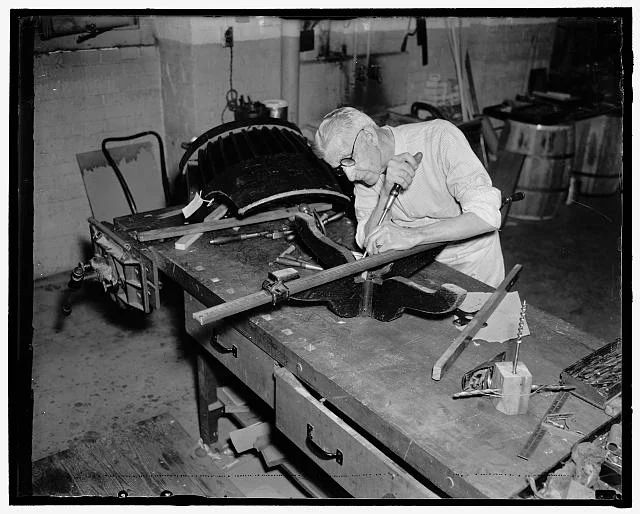
A broken chair leg or a scratched dining table wasn’t always a reason to buy new furniture. In many American households, a familiar piece could remain in the family for generations, especially when someone knew how to repair it.
Furniture craftsmen worked with wood glue, clamps, hand planes, and chisels. A loose joint could be tightened, damaged veneer repaired, or a worn finish carefully restored. Meanwhile, upholsterers gave tired sofas and armchairs new life with fresh fabric and padding.
These skills required patience and an understanding of materials. A careless repair could damage an antique, while thoughtful restoration helped preserve its character and usefulness.
The Smithsonian’s National Museum of American History preserves examples of American furniture and craftsmanship, reminding us how much skill went into making household furnishings.
For families who inherited a grandmother’s rocking chair or a father’s favorite desk, the value went far beyond money. Repairing that furniture meant preserving a piece of family history.
Why America Began Replacing Instead of Repairing
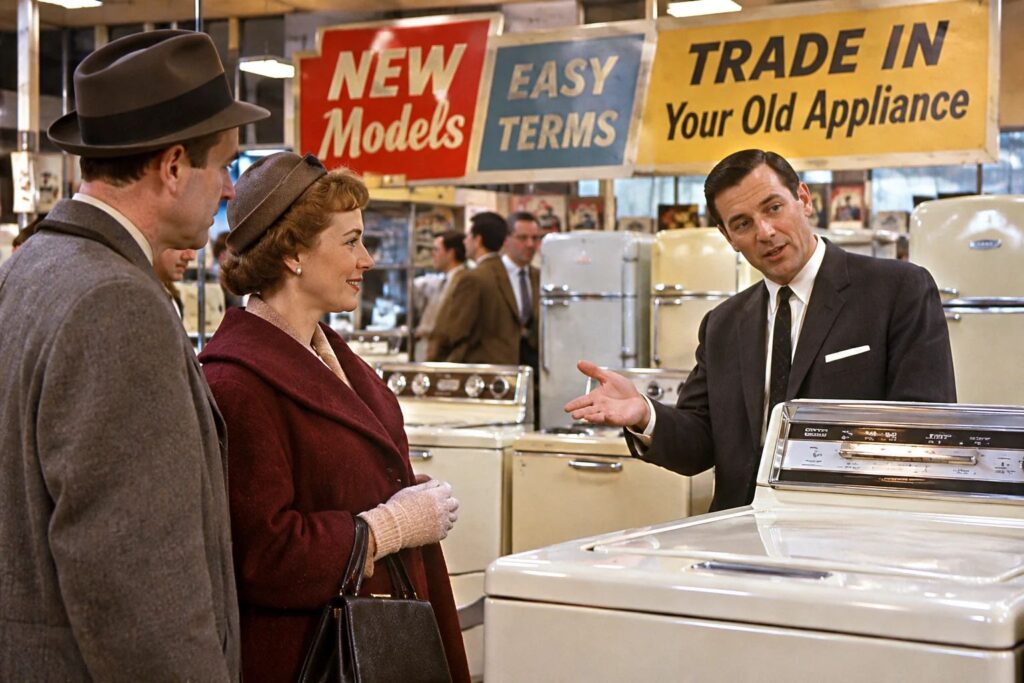
By the middle of the twentieth century, America’s relationship with everyday possessions was beginning to change. Mass production made many household goods more affordable, while advertising encouraged families to enjoy the latest designs and conveniences.
Gradually, replacing an aging product became more attractive than paying someone to repair it. New models offered improved features, and inexpensive replacements sometimes cost little more than professional repairs.
Yet the change wasn’t simply about advertising. Rising labor costs, increasingly complex electronics, and limited access to replacement parts also made certain repairs less practical.
The familiar neighborhood workshops didn’t disappear overnight. Some adapted, while others struggled as customers increasingly chose newer products.
But the old repair-first approach never went away altogether. Antique collectors, restoration specialists, and skilled craftspeople continue preserving possessions that others might discard.
Perhaps the greatest lesson from America’s vintage repair shops is that something doesn’t become worthless simply because it stops working. Sometimes, all it needs is someone willing to give it another chance.
The Spirit of America's Vintage Repair Shops Lives On
The neighborhood repair shops of yesterday may be fewer in number, but the skills they represented haven’t disappeared. Across America, craftsmen still restore antique furniture, repair mechanical watches, and bring forgotten radios back to life.
For collectors, the satisfaction goes beyond saving money. There’s something special about hearing an old clock tick again or watching a treasured family heirloom return to its former glory.
At Nostalgia Nook Antiques, we believe these objects deserve more than a passing glance. Our guide to restoring vintage radios, clocks, and furniture reflects that same appreciation for preserving the past.
Perhaps your family had a favorite cobbler, television repairman, or neighborhood mechanic who could fix just about anything.
Those craftsmen were part of everyday American life, and their skills deserve to be remembered.
Some things are worth repairing. Others are worth remembering.
Keep the Memories Going
If these old repair shops brought back a few memories, there’s plenty more to discover at Nostalgia Nook Antiques. Explore the inventions, craftsmanship, and everyday treasures that made American life memorable.
What Vintage Technology Still Works Today?
Discover which old-fashioned gadgets and household inventions can still earn their keep in the modern world.
Do Rotary Phones Still Work Today?
Find out how those familiar rotary telephones work and whether they can still make calls today.
Vintage Jukebox History: America’s Original Social Playlist
Remember the remarkable music machines that once filled American diners and restaurants with unforgettable melodies.
Return to the golden age of radio, when families gathered around their sets for entertainment, adventure, and unforgettable stories.
Rediscover the illustrated children’s books that became treasured keepsakes and valuable collectibles.
The tools may change, but there’s always another memory worth preserving at Nostalgia Nook Antiques.